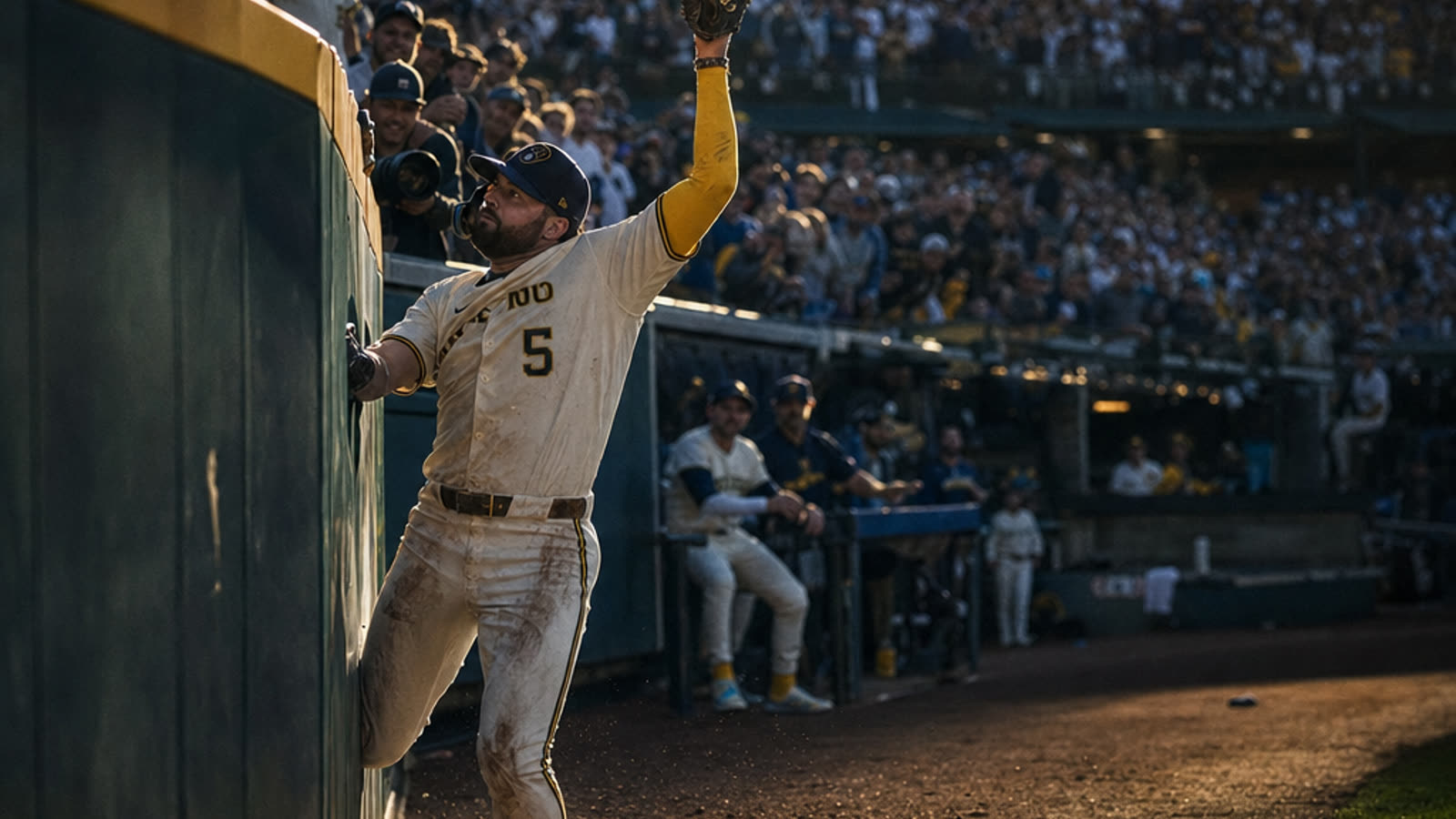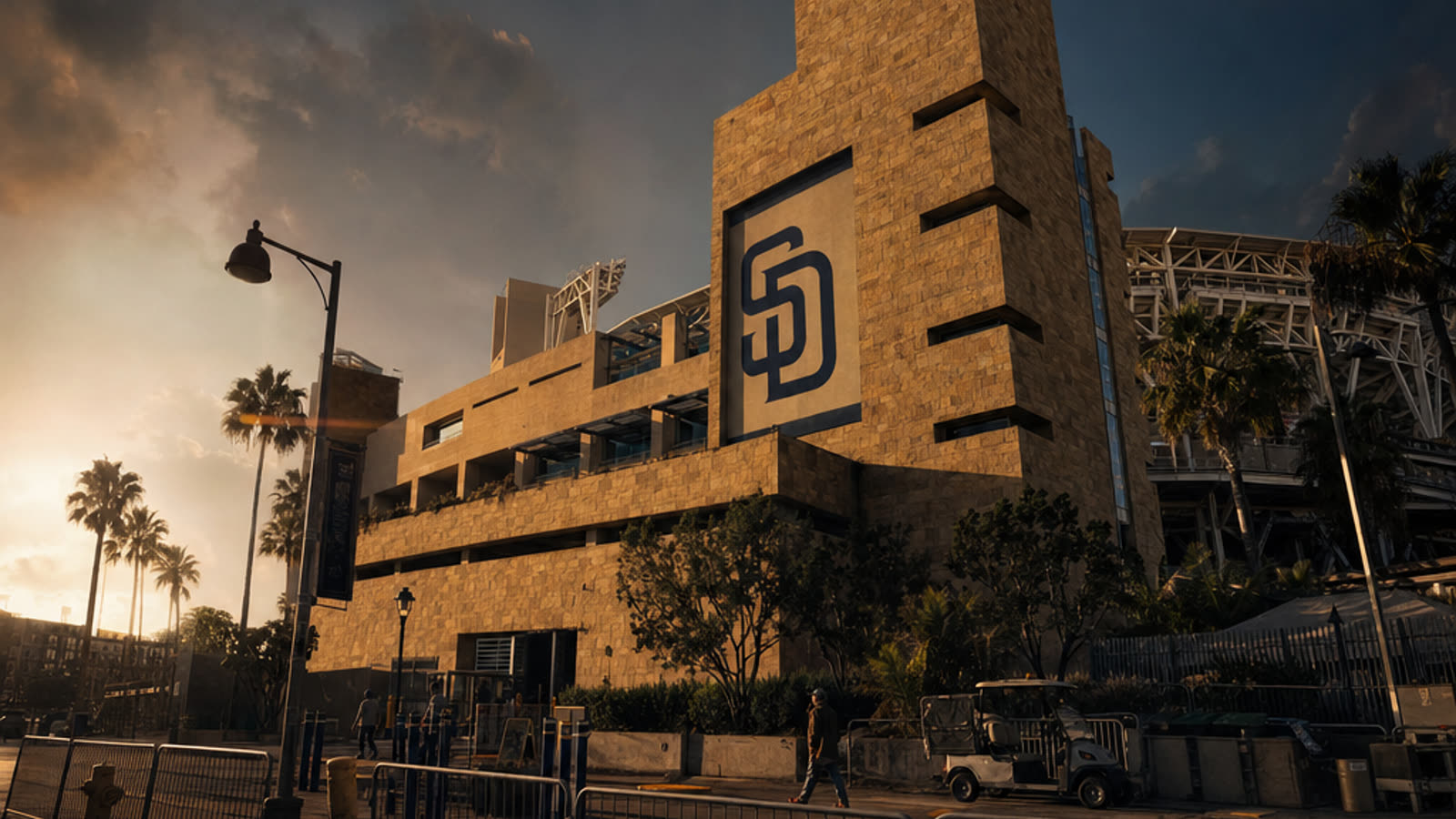
The San Diego Padres have become baseball's most expensive almost-ran. Their NLCS defeat to the Brewers marks the third consecutive postseason in which a roster built for championship contention has fallen short of the World Series, and this time the exit feels less like a stumble than a verdict.
The Padres entered October with a payroll north of $230 million, a lineup featuring multiple All-Stars, and the swagger of a team that believed 2026 was finally the year. Instead, they return home with the same question that has haunted the franchise since it began spending like a major-market club: what exactly is the plan now?
The Machado question
Manny Machado can opt out of his contract this winter, and the 33-year-old third baseman faces a decision that will define both his legacy and San Diego's immediate future. His production remains elite — he finished the regular season with an OPS above .870 and played Gold Glove-caliber defense — but age is undefeated, and the free-agent market for players on the wrong side of 30 has grown increasingly unforgiving.
If Machado leaves, the Padres lose their clubhouse anchor and most consistent bat. If he stays, the franchise commits another nine figures to a player who may be declining just as the window requires peak performance. Neither option is obviously correct, which is precisely the kind of dilemma that results from building a roster through blockbuster spending rather than sustained development.
The Soto shadow
San Diego's current predicament traces directly to the Juan Soto trade of 2022. The Padres surrendered a farm system's worth of prospects for a generational talent, then watched him leave for the Yankees as a free agent. The calculus made sense at the time — you trade for Soto when you can — but the aftermath has left the organization with a depleted pipeline and a roster that requires expensive patches rather than homegrown reinforcements.
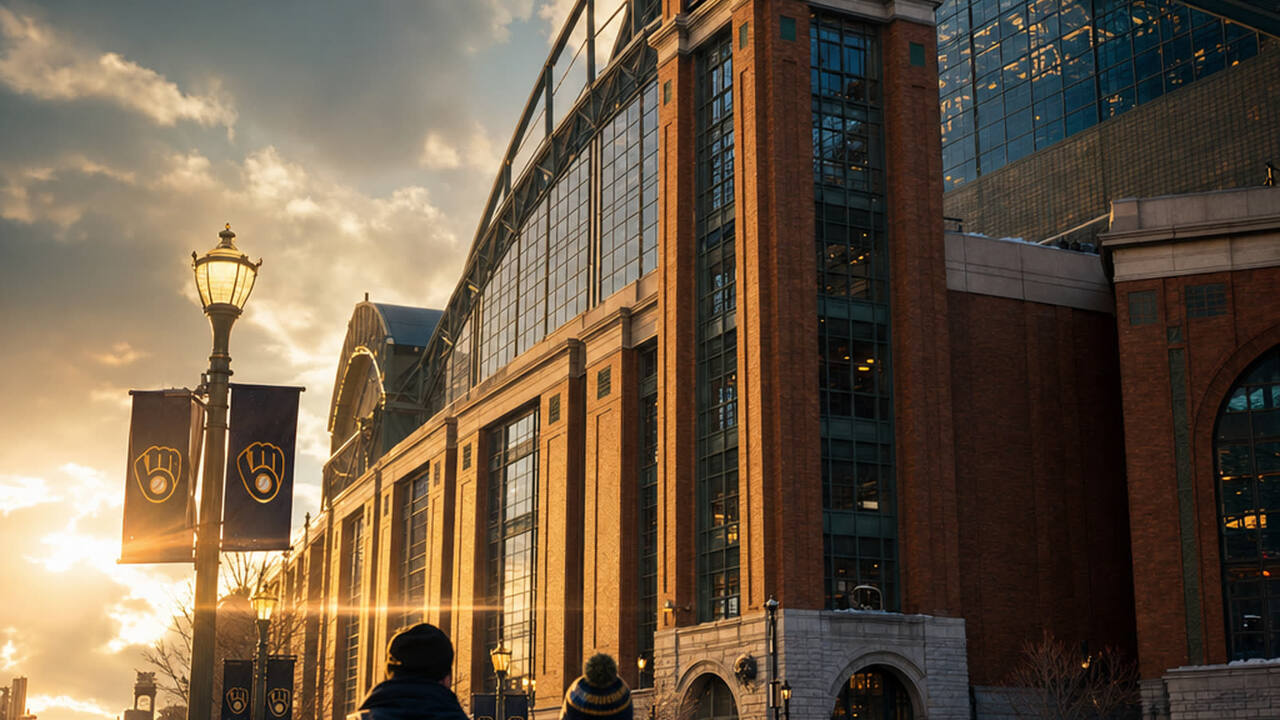
The Brewers, who just eliminated them, represent the opposite model: a mid-market franchise that develops talent, trades intelligently, and consistently punches above its financial weight. Milwaukee's payroll is roughly half of San Diego's. Their October results have been superior.
Our take
The Padres are not a cautionary tale about spending money — the Dodgers and Yankees prove that lavish payrolls can work. They are a cautionary tale about spending money without a coherent long-term architecture. San Diego bought stars without building the foundation to support them, and now faces the prospect of watching those stars age, decline, or depart while the farm system struggles to produce replacements. Machado's opt-out decision will dominate the offseason headlines, but the real question is whether the Padres' front office has learned anything from three years of expensive disappointment. The evidence so far is not encouraging.