Few people have extracted more professional mileage from a single night of hearing thumps against a wall than Brian "Kato" Kaelin, the perpetually tanned houseguest who became an unlikely star of the 1995 O.J. Simpson murder trial. Now in his mid-sixties, Kaelin remains a fixture on the celebrity nostalgia circuit — a walking case study in how American fame metabolizes trauma into content.
The formula is simple: be present at the edges of something enormous, remain affably non-threatening, and never pretend you were more important than you were. Kaelin has followed this playbook with the discipline of a Zen master.
The accidental witness economy
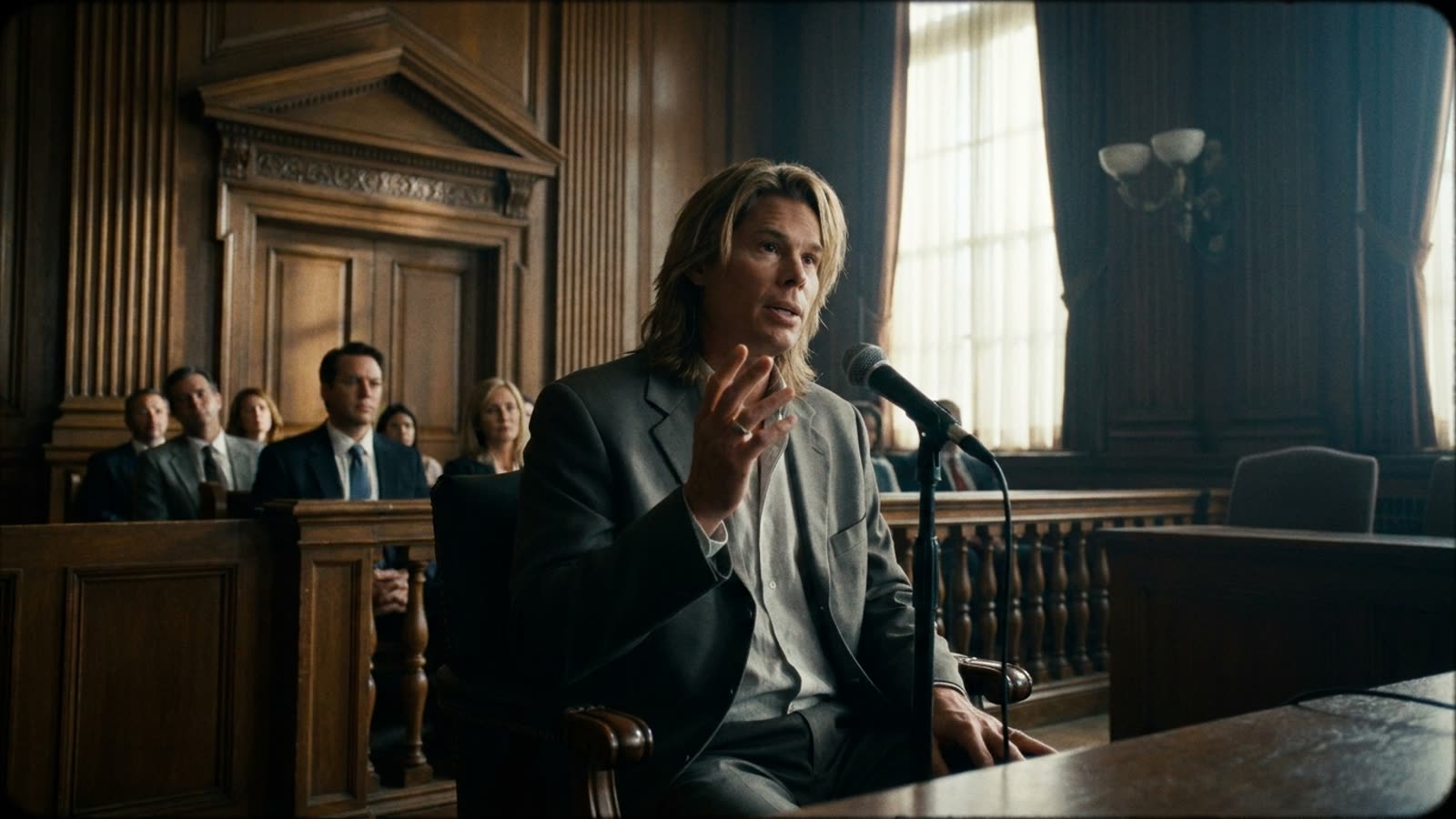
Kaelin's testimony during the Simpson trial was notable mostly for what it wasn't — definitive. He heard noises. He saw a limo. He couldn't quite remember the timeline. Prosecutors found him frustrating; defense attorneys found him useful. The public found him fascinating, not because he illuminated the case but because he represented something recognizable: the ordinary person swept into extraordinary circumstances, trying not to drown.
That relatability became his product. In the decades since, Kaelin has appeared on reality shows, hosted podcasts, done stand-up comedy, and maintained a social media presence that leans into his own absurdity. He's not pretending to be a legal expert or a true-crime authority. He's selling the experience of having been there, which turns out to be a renewable resource.
Why the Simpson trial never ends
The continued interest in Kaelin reflects the trial's stubborn grip on American culture. It was the first true reality-television event, a daily serialized drama that introduced millions to concepts like DNA evidence, domestic abuse patterns, and prosecutorial overreach. Every anniversary, every documentary, every FX miniseries renews the cast of characters — and Kaelin, unlike the principals, is available for comment.
Simpson died in April 2024. The Goldmans and Browns have largely retreated from public life. The lawyers have written their books and given their retrospectives. Kaelin occupies a unique niche: the survivor who wasn't really involved, which means he can discuss the case without the moral weight that attaches to everyone else.
The celebrity witness as genre
Kaelin isn't alone in this category. Monica Lewinsky rebuilt herself as a thoughtful anti-bullying advocate. Linda Tripp died in relative obscurity. The outcomes vary based on self-awareness, timing, and the public's appetite for redemption arcs. Kaelin's genius, if we can call it that, was recognizing early that earnestness would sink him. Self-deprecation was the only viable strategy.
He's been mocked relentlessly — for his hair, his vagueness, his apparent lack of ambition beyond proximity to fame. He's absorbed it all and converted it into bookings. There's something almost admirable about the efficiency.
Our take
Kato Kaelin is not a cautionary tale or an inspirational one. He's an economic phenomenon: proof that the attention economy will find a use for anyone who stumbles into its frame. The Simpson trial created a media ecosystem that still generates content thirty-one years later, and Kaelin has simply refused to leave the party. Whether that's savvy or sad depends on your tolerance for the entertainment industry's endless appetite for recycled narratives. Either way, he's outlasted most of the people who dismissed him.