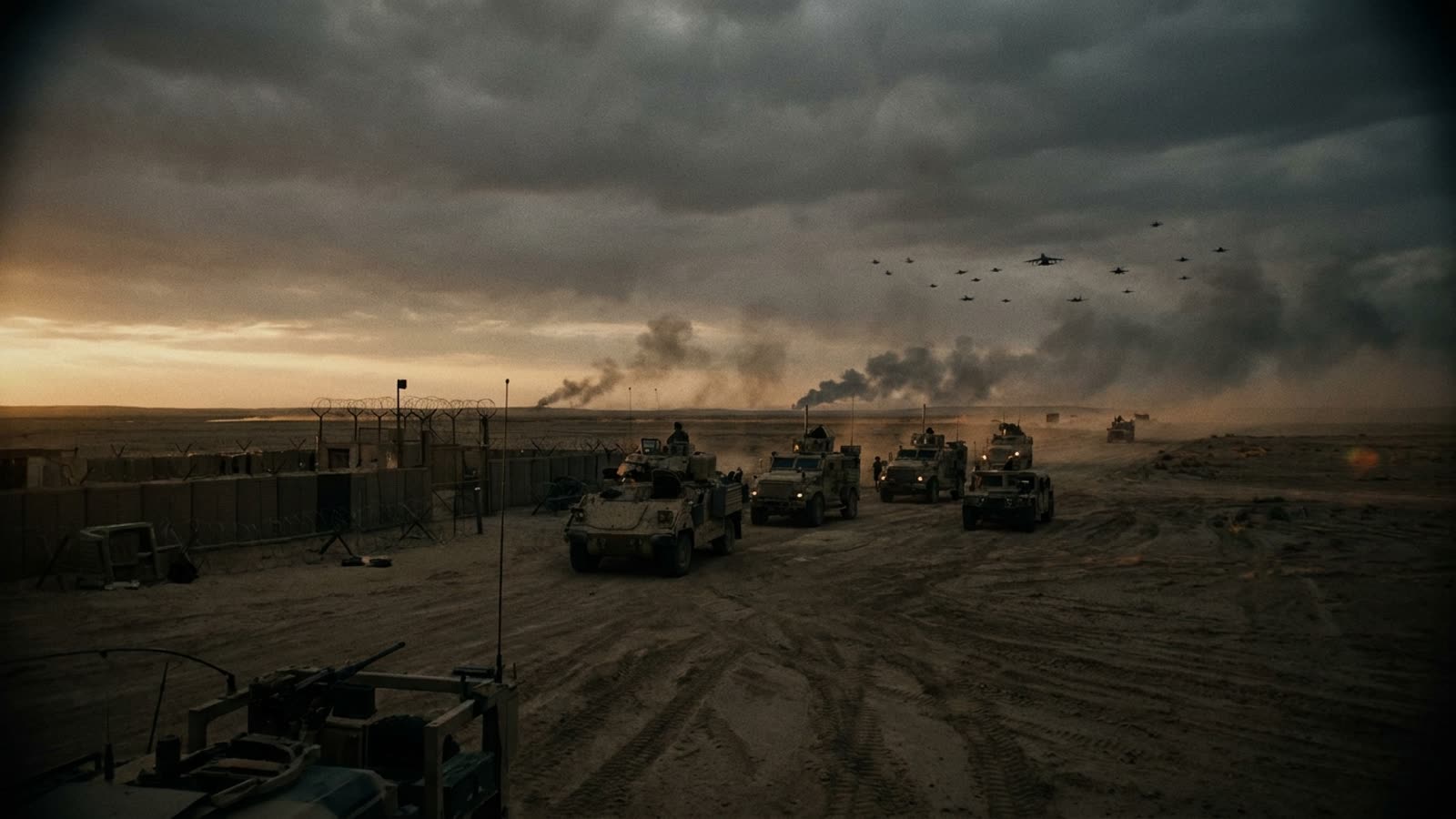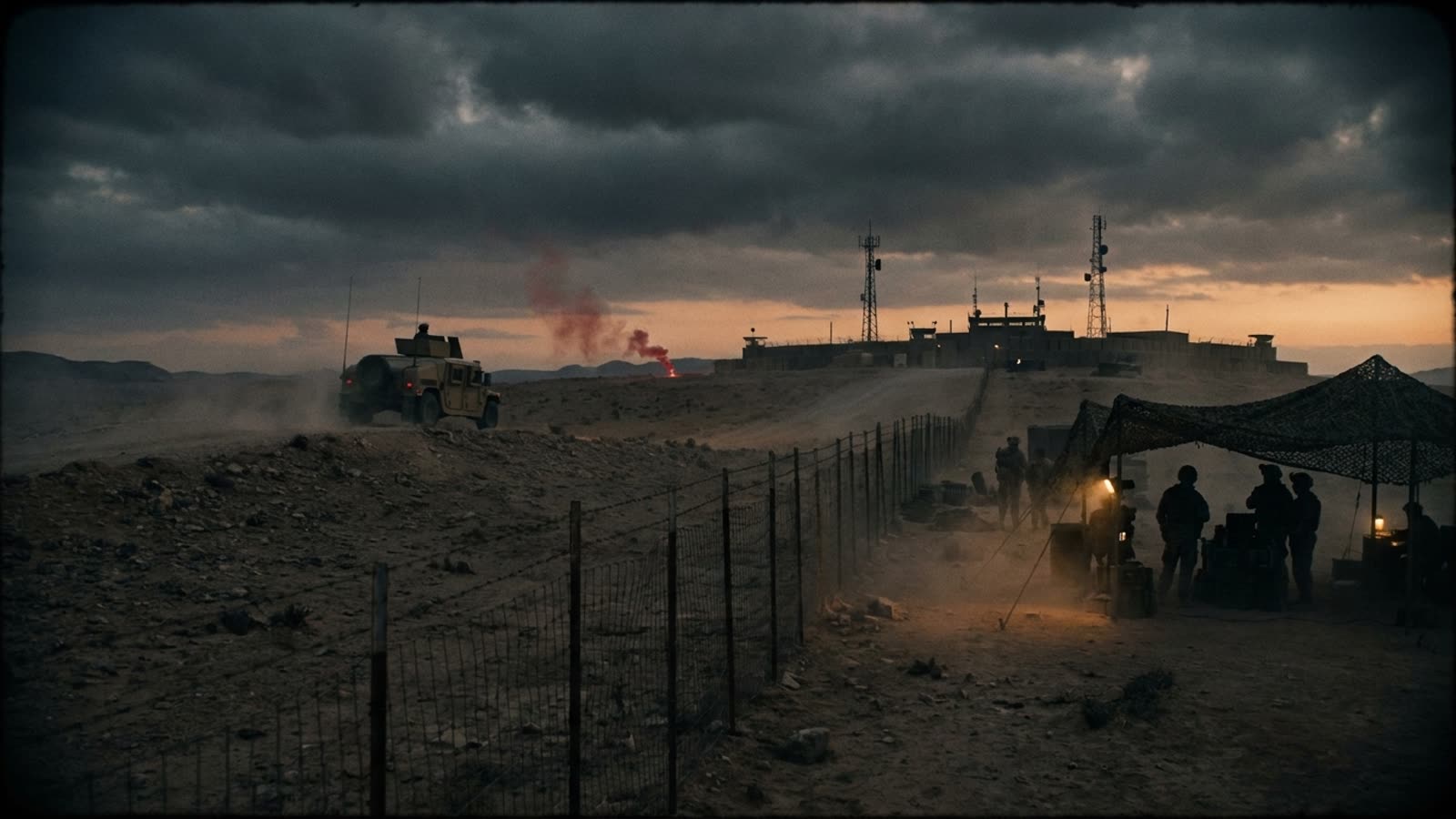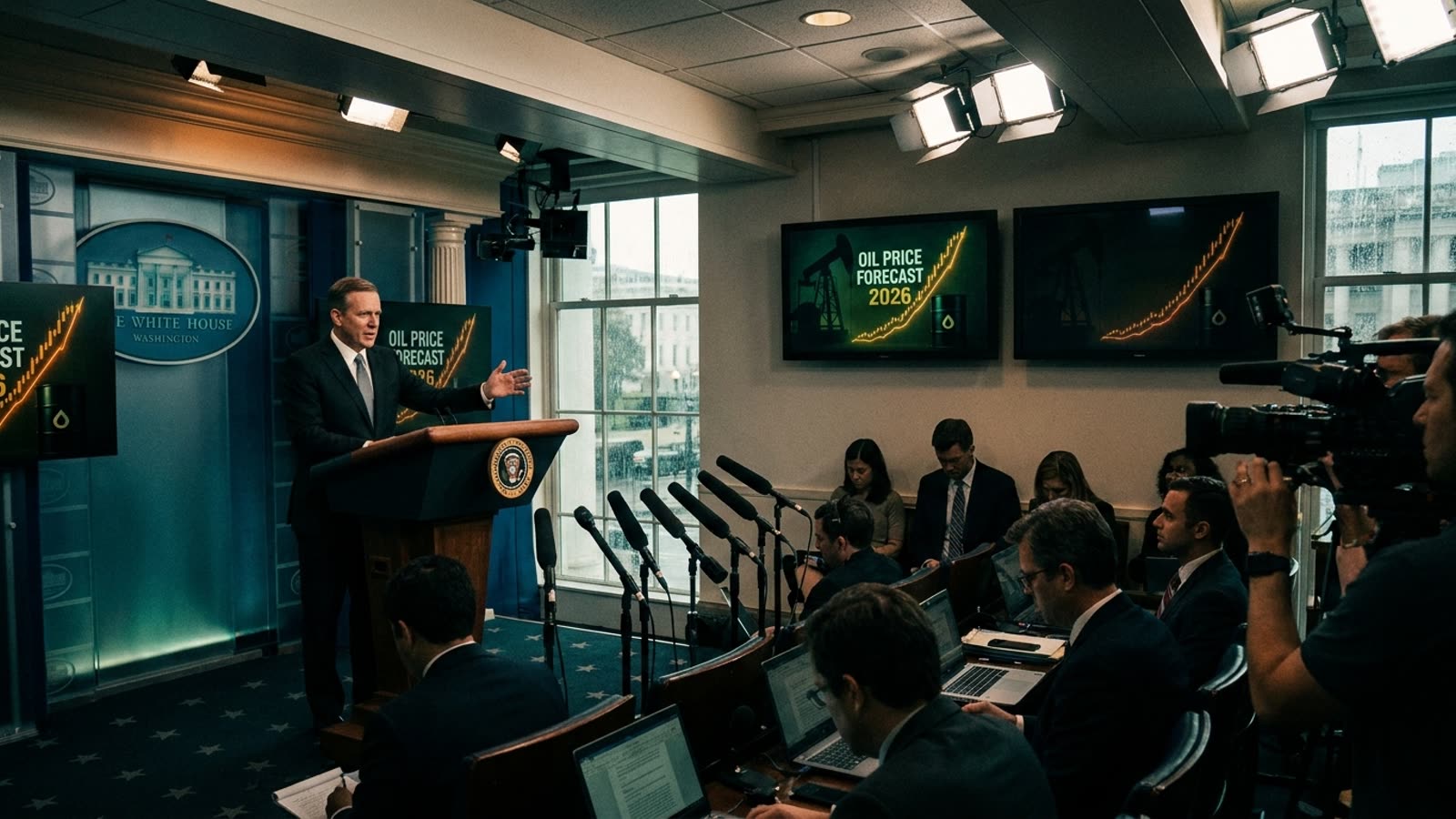
Crude oil settled up nearly $2 on Tuesday after President Trump declared the United States would strike Iran "very hard" following the latest round of hostilities—a statement that came barely twenty-four hours after he predicted imminent peace. The whiplash encapsulates the strange new reality for global energy markets: they are no longer trading fundamentals so much as parsing presidential syntax.
The move pushed Brent back toward the psychologically significant $100 threshold it breached earlier this month, while West Texas Intermediate climbed in tandem. Traders who had cautiously begun to price in de-escalation after Trump's optimistic remarks on Monday were forced into rapid repositioning. The lesson, delivered with painful clarity, is that betting on diplomatic progress in this administration remains a fool's errand.
The messaging problem
Trump's rhetorical volatility has always been a feature, not a bug, of his negotiating style. But when applied to an active military conflict with a major oil-producing adversary, the consequences ripple far beyond political theater. Energy traders must now contend with a president who can move crude by several dollars per barrel with a single Truth Social post—and who appears to relish the power.
The pattern has become grimly predictable: conciliatory noises followed by maximalist threats, with no discernible strategy connecting the two. Iranian officials have reportedly grown skeptical that any deal can hold when the American position shifts hourly. That skepticism is now embedded in the risk premium on every barrel of oil.
Inflation's accelerant
The timing is particularly awkward. Consumer inflation data released this week showed the headline figure vaulting above 4 percent, driven substantially by energy costs. The Federal Reserve, already struggling to thread the needle between price stability and economic growth, now faces an exogenous shock it cannot control through interest-rate policy. You cannot hike your way out of a supply disruption caused by geopolitical brinkmanship.
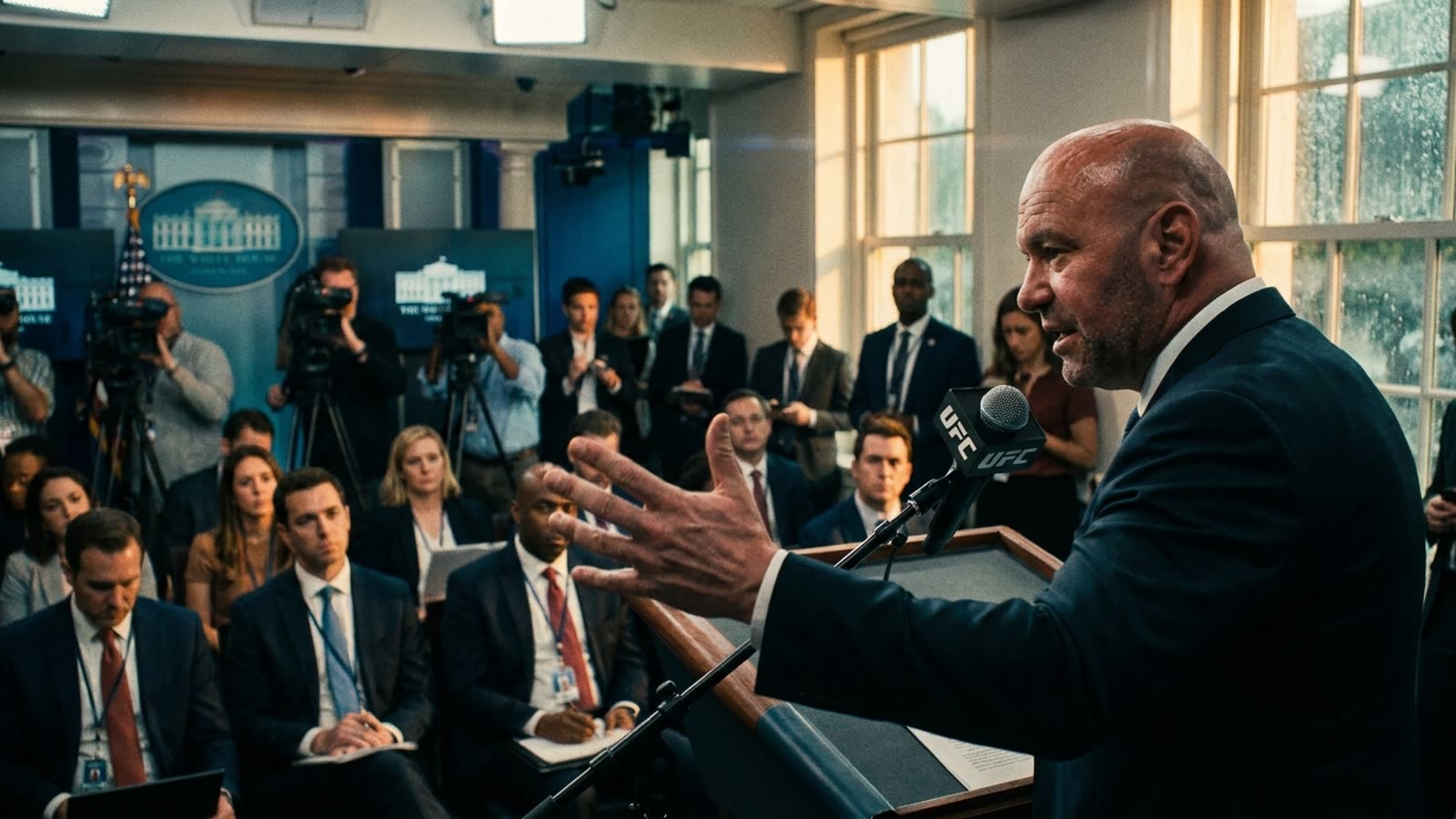
Trump himself seemed unbothered, telling reporters "I love the inflation" in a remark that will surely feature in Democratic campaign advertisements. The statement was presumably intended as bravado—a signal that he will not be deterred by economic pain from pursuing his Iran strategy. But it also revealed a president increasingly detached from the kitchen-table concerns that typically decide elections.
Our take
Markets can price risk; they struggle to price chaos. The current oil premium reflects not the probability of any specific outcome in the Iran conflict but the sheer unpredictability of American policy. That uncertainty tax falls on every consumer who fills a gas tank and every manufacturer who ships goods. Trump may love the inflation, but the voters who will decide his political future almost certainly do not. The question is whether they blame him or Iran—and that, too, is something no trader can model.