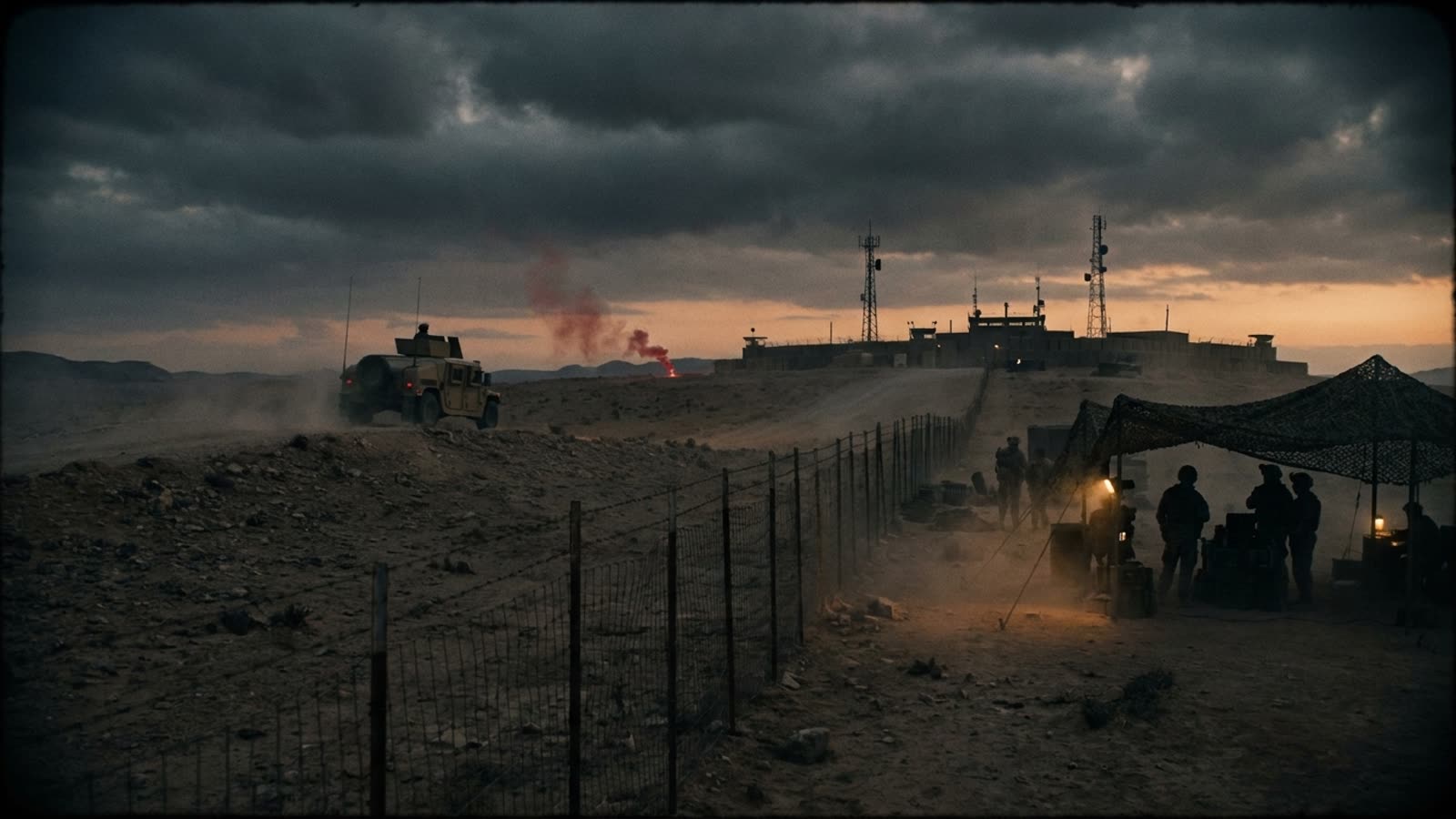
The syntax of diplomacy has a grammar all its own, and 'will pay the price' is not a phrase that appears in any chapter on successful negotiation. President Trump's warning to Iran this week—delivered after both nations exchanged strikes and with inflation spiking from the conflict—reads less like a calculated pressure campaign than an admission that the administration's Iran strategy has collapsed into improvisation.
The timeline is damning. Trump entered office promising to extract a better nuclear deal than his predecessors. He tightened sanctions, withdrew from the JCPOA's remnants, and declared that maximum pressure would bring Tehran to heel. Instead, Iran accelerated its enrichment program, expanded its regional proxies, and—when diplomacy stalled—found itself in direct military confrontation with American forces. The 'deal' Trump promised has not materialised. What has materialised is a shooting war that is pushing American consumer prices higher and testing the patience of allies who signed up for containment, not conflagration.
The rhetoric of weakness
Threatening that an adversary will 'pay the price' for 'taking too long to negotiate' is a curious formulation. It implicitly acknowledges that the other side has leverage—specifically, the leverage of time. Iran's leadership has calculated, correctly, that dragging out talks while absorbing sanctions is survivable, whereas capitulating to American demands would be politically fatal domestically. Trump's frustration is understandable; his public expression of it hands Tehran a propaganda victory. Strongmen do not usually advertise that their opponents are successfully running out the clock.
The administration's defenders will note that military strikes demonstrate resolve. Perhaps. But resolve without a theory of victory is merely escalation. The strikes have not compelled Iran to return to the table with new concessions. They have, however, contributed to a spike in oil prices that is feeding directly into American inflation data—a political vulnerability the White House can ill afford as midterm positioning begins.
The domestic cost
May's inflation figures, released this week, showed the Iran conflict's fingerprints across the economy. Energy prices surged, logistics costs rose, and consumer sentiment darkened. The Federal Reserve, already navigating a delicate path, now faces the unpleasant arithmetic of supply-shock inflation: raising rates punishes households, while holding steady risks embedding higher price expectations. The war Trump once suggested would be short and decisive is instead becoming a slow tax on American wallets.
This is the trap of military action undertaken without clear political objectives. Each strike begets a counter-strike; each counter-strike begets another round of threats. The off-ramps narrow. And the domestic political calendar—which once seemed to favour a president who could claim toughness—begins to favour whoever can credibly promise an end to the bleeding.
Our take
Trump's Iran policy has arrived at the destination that maximum-pressure strategies often reach: a cul-de-sac where the only remaining moves are more pressure or humiliating retreat. The 'will pay the price' rhetoric is the language of a negotiator who has lost the initiative and is trying to bluff his way back to relevance. It may play well on cable news. It will not play well at the gas pump, and it will not produce the grand bargain the president once promised. The price, it turns out, is being paid on both sides of the Strait of Hormuz.