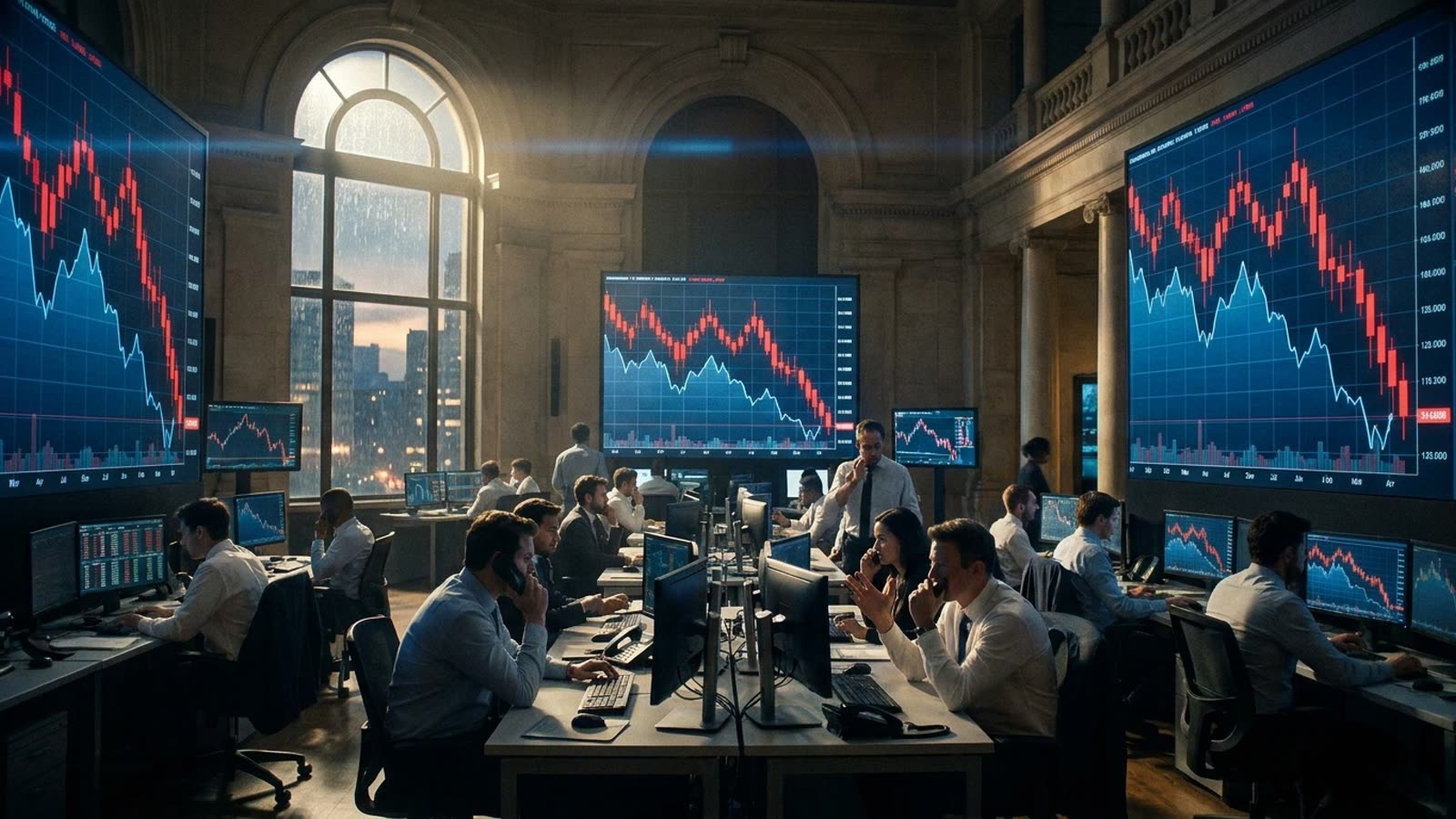
The price of oil tells you what traders think about geopolitics before diplomats finish their coffee. On Saturday, Brent crude climbed more than a dollar a barrel as US-Iran peace talks in Oman got off to what multiple sources described as a "bumpy" start — the kind of diplomatic euphemism that sends energy desks scrambling.
The rally isn't about the talks succeeding. It's about the market finally pricing in the specific nightmare scenario that's been lurking since negotiations began: a collapse that leaves the Strait of Hormuz, through which roughly 20% of global oil supply passes daily, in the crosshairs of a newly emboldened Tehran.
The Hormuz premium returns
For years, analysts have debated whether oil prices adequately reflect "Hormuz risk" — the possibility that Iran could disrupt or close the strait in response to Western pressure. The consensus had been that such action would be suicidal for Tehran, given its own dependence on the waterway for exports. But the current talks have introduced a new variable: an Iran that believes it has diplomatic leverage and might be willing to threaten disruption as a negotiating tactic rather than an act of war.
The "bumpy start" reportedly involves fundamental disagreements over sequencing — whether sanctions relief comes before or after verifiable nuclear concessions. This is the same impasse that killed the 2015 deal's revival efforts, and traders are clearly skeptical that a weekend in Muscat will resolve what years of back-channel diplomacy could not.
Why this rally is different
Oil has spiked on Middle East tensions countless times. What makes Saturday's move notable is its restraint. A dollar-plus gain is significant but not panicked — it suggests the market is methodically repricing tail risk rather than fleeing for the exits. This is sophisticated fear, not amateur hour.
The restraint also reflects genuine uncertainty about which way talks could break. A deal, however improbable, would flood markets with Iranian barrels and crater prices. A collapse could do the opposite. Traders are essentially buying optionality on chaos while hoping for resolution — a hedge that only makes sense when both outcomes remain plausible.
Our take
The Strait of Hormuz is the global economy's most dangerous chokepoint, and we've spent the past decade pretending otherwise. Shale abundance, strategic reserves, and the general absence of major disruptions lulled markets into treating Hormuz risk as theoretical. This weekend's price action suggests that assumption is being quietly retired. Whether these talks succeed or fail, the era of discounting Persian Gulf risk is over — and your gas bill will eventually reflect that reality.