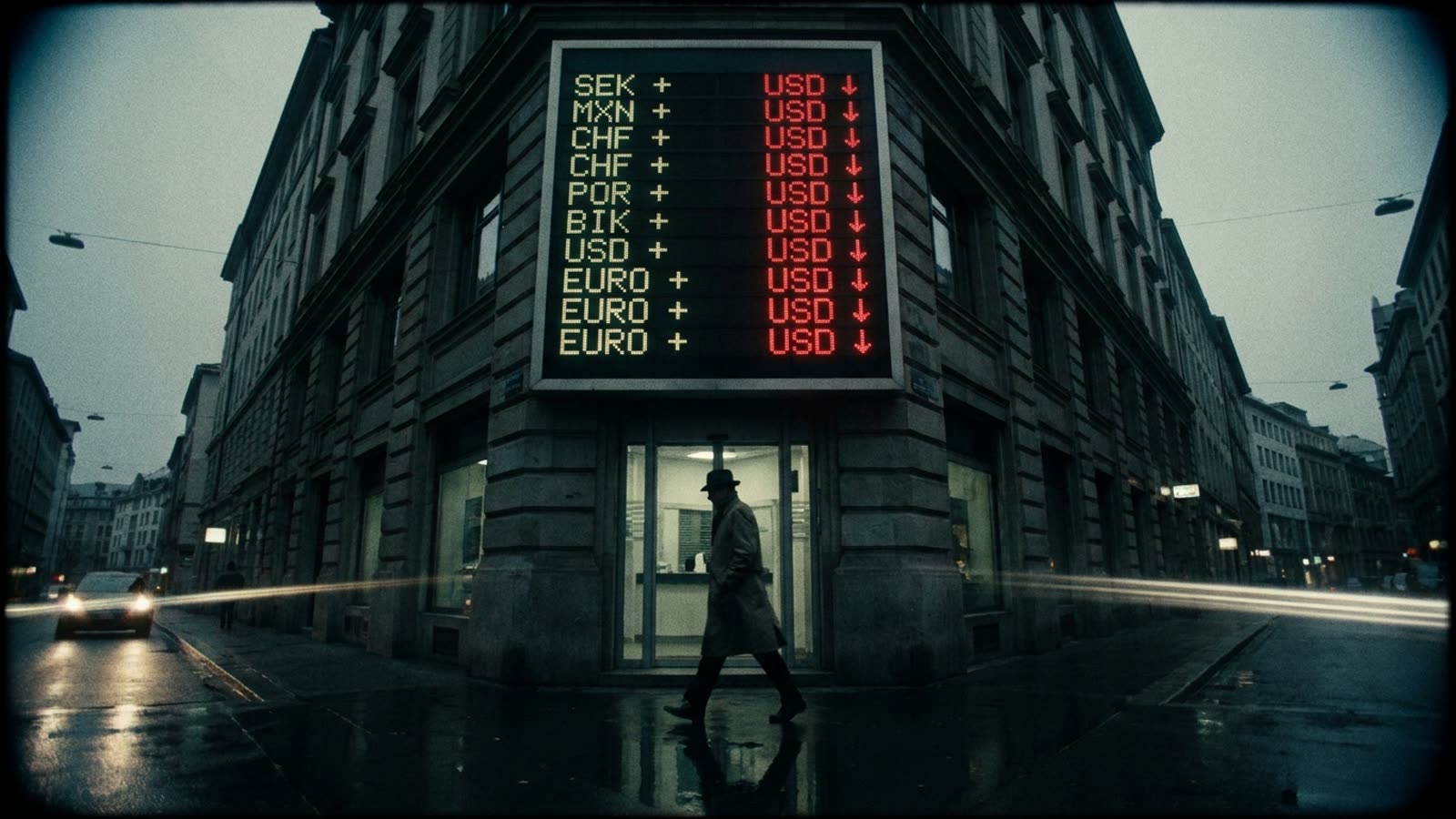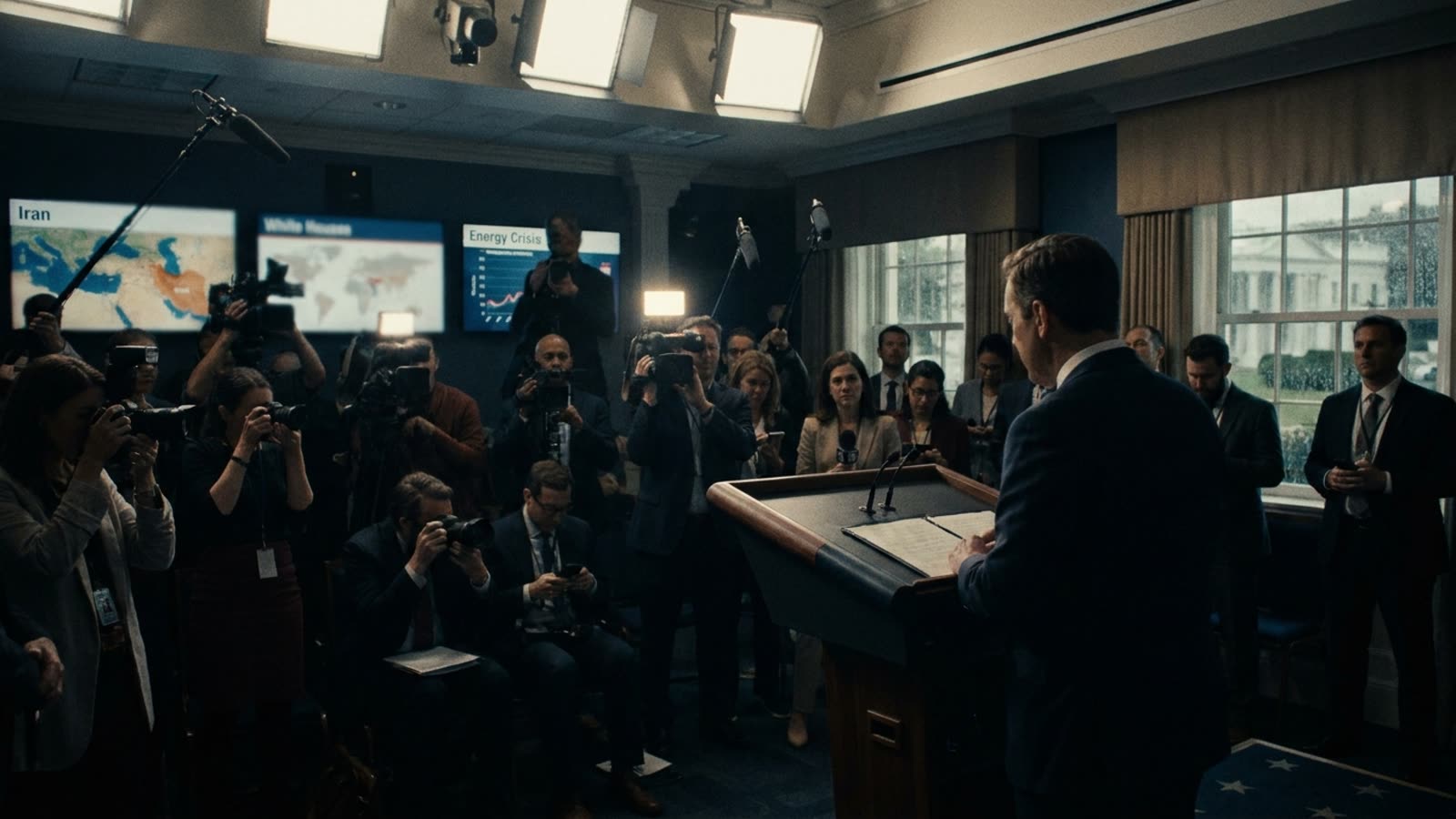
The commodity markets have stopped treating American military action against Iran as a tail risk and started pricing it as a baseline condition. Crude oil rose sharply Wednesday after the United States launched what officials described as a new round of strikes on Iranian military infrastructure, extending a conflict that has already pushed energy prices to their highest levels since the 2022 post-invasion spike.
The immediate market reaction was orderly but decisive. Brent crude climbed past recent highs, and West Texas Intermediate followed. Energy traders, who spent years dismissing Middle Eastern tensions as noise, are now building sustained conflict premiums into forward curves. The question is no longer whether oil stays elevated but how long the elevation persists—and what it does to an American economy already running hotter than the Federal Reserve would like.
The inflation transmission mechanism
Energy prices flow through the economy in ways that monetary policy struggles to address. Higher gasoline costs hit consumers directly at the pump, but they also raise transportation costs for goods, increase input prices for manufacturers, and push up utility bills. The May CPI report, released just hours before news of the latest strikes, showed headline inflation accelerating to around four percent—a number that would have seemed alarming a year ago and now feels almost quaint given the trajectory.
The Fed finds itself in an impossible position. Raising rates to combat inflation risks tipping an already nervous economy into recession. Holding steady allows price pressures to build. Cutting—which markets had hoped for earlier this year—now looks like a fantasy. The central bank's tools are designed for demand-driven inflation, not supply shocks imposed by geopolitical conflict.
The White House's curious posture
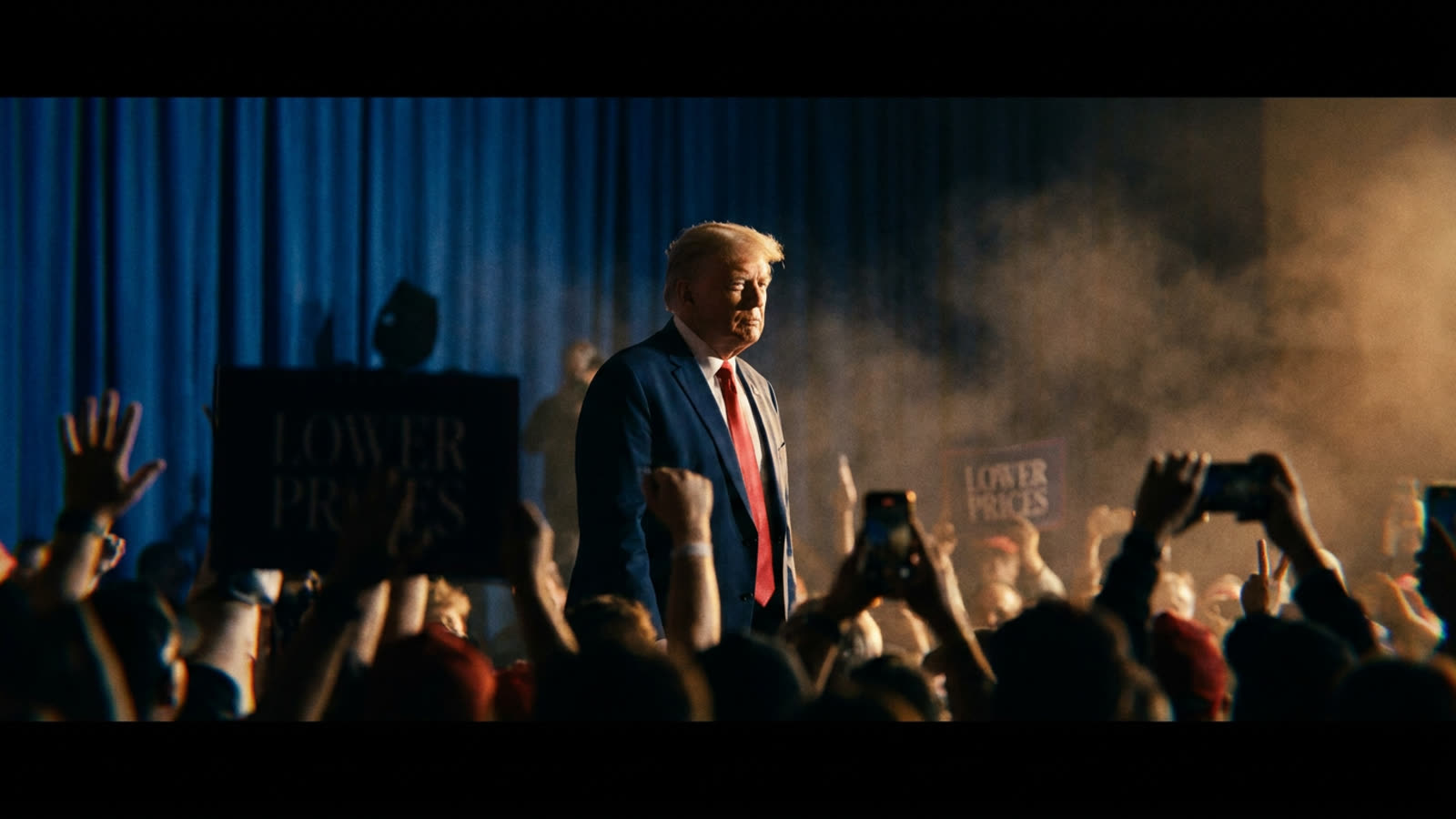
President Trump's response to rising prices has been, characteristically, to reframe the problem as an opportunity. His recent comment that he "loves the inflation" reflects a political calculation that wartime economics play differently than peacetime ones—that voters will tolerate higher prices if they believe the cause is righteous. It's a bet that worked for previous wartime presidents, though none of them faced a conflict this ambiguous in its objectives.
The administration's energy policy has been to simultaneously threaten Iran, promise lower gas prices, and dismiss inflation concerns as overblown. These positions are not obviously compatible. The "secret mission" to ferry oil past Iranian interdiction—which turned out to be widely disclosed—captures the contradictions: a government that wants credit for bold action without accountability for its consequences.
Market psychology shifts
What's changed in recent weeks is not the fundamental supply-demand picture but the market's assessment of duration. Traders had initially treated the Iran confrontation as a short-term disruption, pricing in a quick resolution or at least a de-escalation. That assumption is evaporating. Each new strike, each retaliatory threat, each failed diplomatic overture extends the timeline and raises the floor under energy prices.
The equity markets have noticed. The Nasdaq's recent weakness reflects not just the usual pre-IPO jitters but a broader reassessment of what sustained higher energy costs mean for corporate margins. Tech companies, which consume enormous amounts of electricity for data centers, are particularly exposed. The AI spending boom that has driven market enthusiasm requires power, and power just got more expensive.
Our take
The United States has stumbled into an energy-price war of its own making, and the domestic economic consequences are only beginning to register. The administration's insistence that inflation is either not happening or not a problem is a political strategy, not an economic analysis. Markets are smarter than that. They see an open-ended military engagement with a major oil-producing region, a central bank with no good options, and a White House that treats rising prices as a messaging challenge rather than a policy failure. The oil price is not lying. The question is whether anyone in Washington is listening.