The global minimum corporate tax was sold as the death knell for tax havens. It is turning out to be their golden ticket.
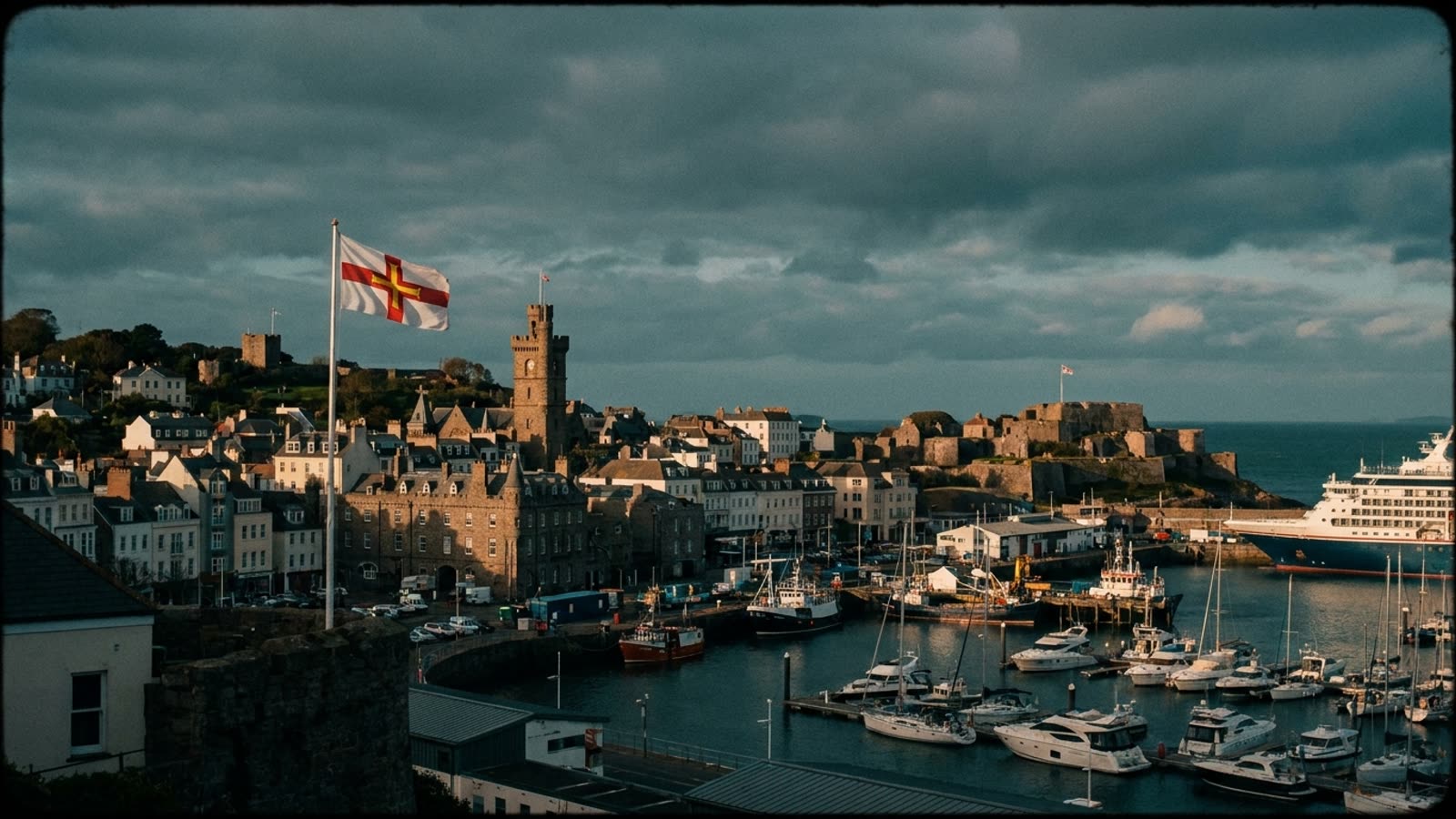
Guernsey, Jersey, the Isle of Man, and a constellation of other offshore financial centres are reporting bumper revenues after raising their headline corporate rates to comply with the OECD's Pillar Two framework, which requires large multinationals to pay at least 15 percent tax wherever they book profits. The irony is exquisite: jurisdictions that thrived for decades on near-zero rates are now collecting more money than ever, simply by matching the floor that was designed to make them irrelevant.
The mechanics of a backfire
The logic of Pillar Two was straightforward. If a multinational's effective tax rate in any jurisdiction fell below 15 percent, its home country could impose a top-up levy to close the gap. Havens would lose their competitive edge, and profits would migrate back to where real economic activity occurred.
What the architects underestimated was the havens' willingness to adapt. Rather than watch top-up revenues flow to Washington, Berlin, or Paris, Guernsey and its peers simply raised their own rates to 15 percent for in-scope companies. The multinationals still book profits there — the legal structures, the expertise, the light-touch regulation remain — and now the islands keep the tax that would otherwise have gone elsewhere. Jersey's treasury is projecting a nine-figure annual gain; Guernsey's finance minister has called the new regime "sustainable and competitive."
Substance over symbolism
Critics of the OECD deal always warned that a 15 percent floor was too low to matter. The average statutory rate among G7 nations hovers around 26 percent. A multinational routing royalties through Jersey at 15 percent still enjoys a meaningful discount, and the compliance burden of restructuring away from established hubs is considerable. For many CFOs, the calculus has not changed: the Channel Islands remain the path of least resistance.
Meanwhile, the political optics have shifted. Havens can now claim they are fully compliant with international norms, stripping reformers of their rhetorical ammunition. The "tax haven" label stings less when your rate matches the globally agreed minimum.
Our take
Pillar Two was a diplomatic triumph and an economic fizzle. It created a cartel floor, not a cartel ceiling, and the nimblest players simply moved their chairs to the new table. The lesson is familiar: in a world of mobile capital and immobile politics, the jurisdictions with the fewest voters and the most accommodating lawyers will always find a way to capture rents. Guernsey did not cheat the system. It read the rules and collected the cheque.