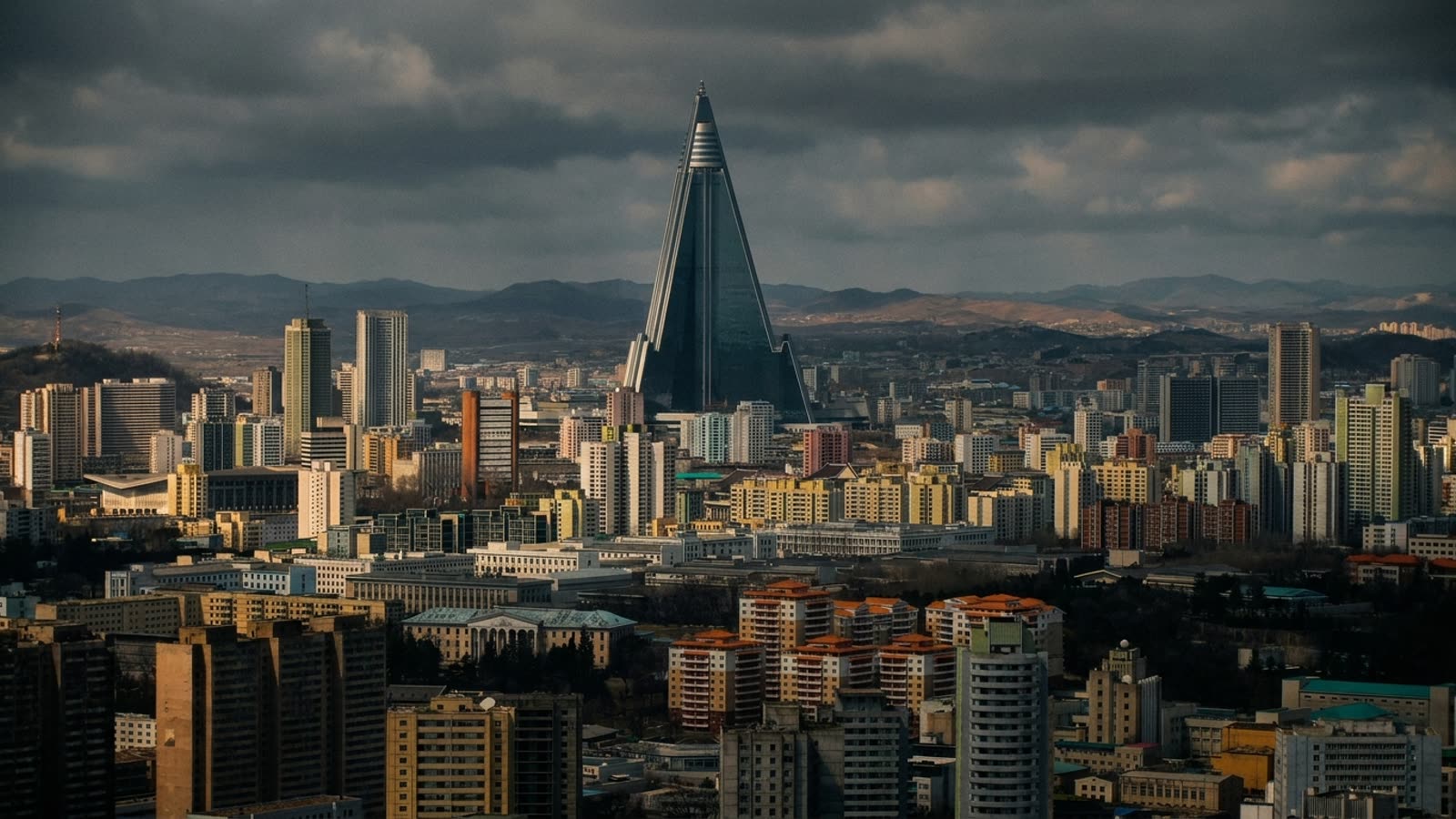
The cryptocurrency industry has spent years assuring regulators and users that it was maturing, professionalizing, building robust defenses against the chaos of its early days. That narrative collapsed this week with the release of CertiK's annual security report, which found that North Korean state-sponsored hackers stole $2.1 billion in digital assets last year—representing 60% of all crypto losses globally.
This is not a story about clever criminals exploiting naive retail investors. It is a story about a nuclear-armed pariah state systematically funding its weapons programs through blockchain heists, while an industry worth trillions struggles to stop them.
The Lazarus Group's industrial scale
North Korea's primary hacking collective, known as Lazarus Group, has evolved from opportunistic smash-and-grab operations into something resembling a state-run financial institution in reverse. The CertiK analysis documents how these groups now conduct months of reconnaissance before striking, often compromising employee devices at target firms long before executing the actual theft. The 2025 haul represents a 40% increase from the previous year, suggesting that international sanctions and law enforcement efforts have done little to slow the operation.
What makes the current wave particularly alarming is the sophistication of the laundering infrastructure. Cross-chain bridges, privacy protocols, and decentralized exchanges have created a labyrinth that even well-resourced investigators struggle to navigate. By the time stolen funds are identified, they have often been fragmented across dozens of blockchains and mixed with legitimate transactions.
The uncomfortable economics
The crypto industry faces a genuine dilemma. The same permissionless architecture that enthusiasts celebrate as a feature—anyone can transact without gatekeepers—is precisely what makes North Korean operations possible. Centralized exchanges have implemented increasingly strict know-your-customer requirements, but the DeFi ecosystem remains largely ungoverned. Protocols cannot easily distinguish between a yield farmer in Denver and a Pyongyang operative.
Meanwhile, the economics of security remain brutal. Hiring world-class security teams costs millions annually; many projects operate on shoestring budgets or prioritize growth over defense. The asymmetry favors attackers: they need to succeed once, while defenders must be perfect indefinitely.
Regulatory pressure builds
Washington has taken notice. The Treasury Department's Office of Foreign Assets Control has expanded its sanctions targeting crypto mixers and bridges suspected of facilitating North Korean laundering, but enforcement remains patchy. European regulators are pushing for stricter requirements on DeFi protocols under the Markets in Crypto-Assets framework, though implementation details remain contested.
The industry's own responses have been mixed. Some protocols have implemented address blacklists; others have resisted on ideological grounds. The result is a patchwork system where stolen funds can often find a path to liquidity somewhere.
Our take
The $2.1 billion figure should end any remaining debate about whether crypto's security problem is manageable through voluntary measures alone. North Korea has industrialized blockchain theft, and the industry's decentralized ethos has become a liability rather than a selling point. Either the sector develops credible, industry-wide security standards—with real teeth—or regulators will impose them. The libertarian dream of ungovernable money looks rather different when a totalitarian regime is the primary beneficiary.