The paradox at the heart of American crypto sanctions enforcement is not that it fails — it is that it succeeds just enough to claim victory while leaving the most consequential players untouched.
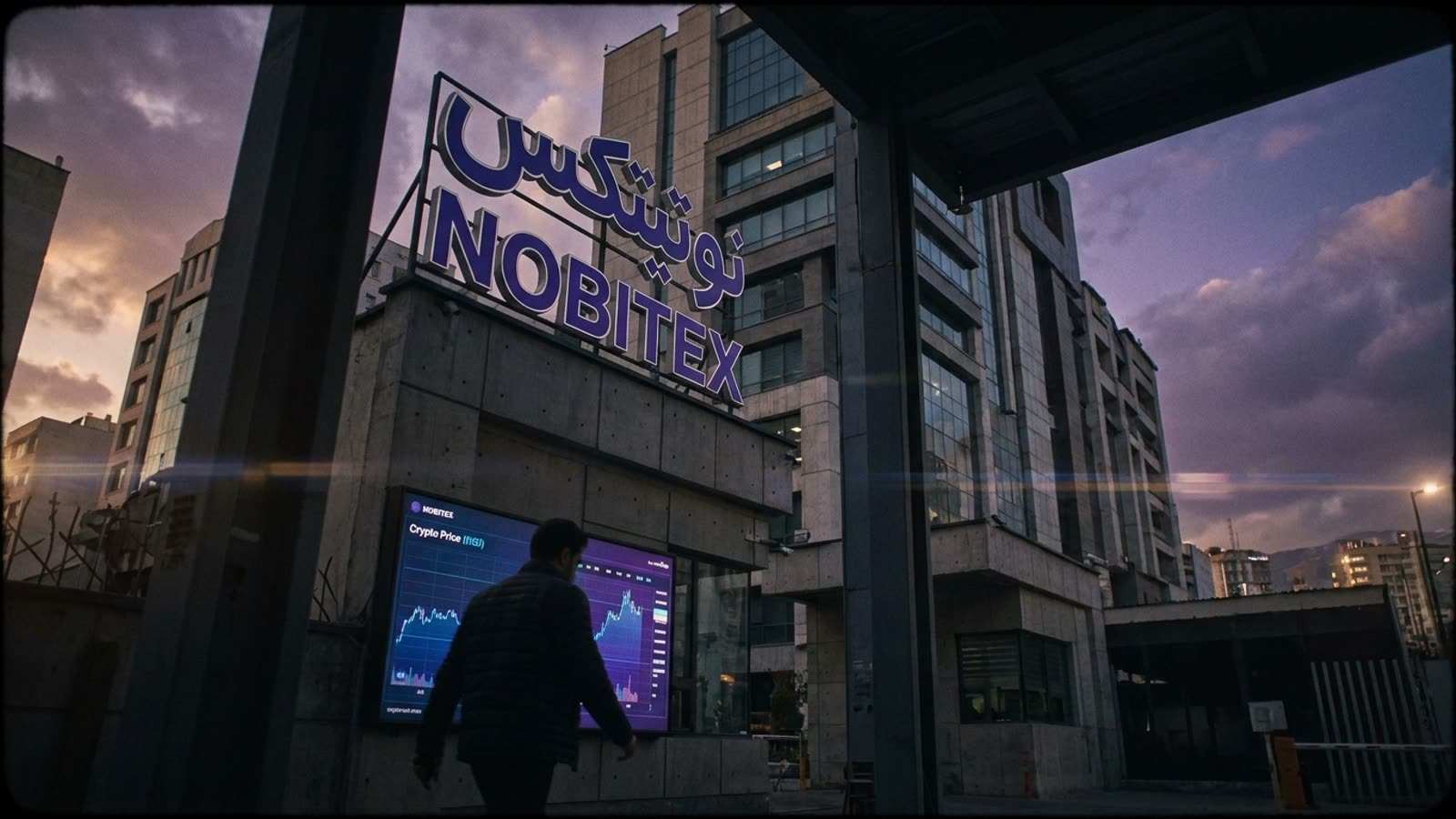
Nobitex, Iran's dominant cryptocurrency exchange, processes billions in annual volume, serves millions of Iranian users, and operates with the kind of institutional permanence that would make any Western fintech jealous. It has never appeared on the Office of Foreign Assets Control's Specially Designated Nationals list. This is not an oversight.
The architecture of ambiguity
When the United States and Israel launched joint strikes against Iranian targets in late February 2026, Tehran responded by severing nearly all internet connectivity to the outside world. For most Iranians, the digital blackout was total. For Nobitex users, it was a temporary inconvenience.
The exchange had long anticipated such disruptions. Its infrastructure, distributed across jurisdictions that maintain careful neutrality toward both Washington and Tehran, allowed it to resume operations within hours of connectivity returning. More importantly, Nobitex has constructed an elaborate compliance theater: it blocks US IP addresses, refuses to process transactions involving OFAC-listed wallets, and maintains know-your-customer protocols that would satisfy a mid-tier European regulator.
This is precisely the problem. OFAC's designation criteria require demonstrable facilitation of sanctioned activity — not mere operation within a sanctioned country. Nobitex's lawyers have ensured the exchange never crosses that line in ways that leave evidentiary trails.
The enforcement gap
Treasury officials, speaking on background, acknowledge the bind. Designating Nobitex would require proving it knowingly facilitates transactions for the Islamic Revolutionary Guard Corps or other sanctioned entities. The exchange's compliance documentation, however performative, creates reasonable doubt. Meanwhile, sanctioning an exchange used by ordinary Iranians to hedge against hyperinflation raises humanitarian objections that complicate interagency consensus.
The result is a two-tier system. Small Iranian exchanges with sloppy compliance get designated. Nobitex, sophisticated enough to maintain plausible deniability, continues operating. Iranian users, far from being cut off from global crypto markets, simply concentrate on the platform that has proven sanction-resistant.
The CLARITY problem
This dynamic explains why the proposed CLARITY Act, currently advancing through Congress, may matter less than its sponsors hope. The legislation aims to reshore crypto trading by providing regulatory certainty to US-based exchanges. But as attorney Bill Hughes noted this week, the largest crypto market by volume already operates outside American jurisdiction — and that includes the Iranian corner of it.
Bringing trading volume back to Coinbase and Kraken does nothing to address the Nobitex problem. If anything, clearer US rules may simply sharpen the divide between compliant Western platforms and the parallel infrastructure serving sanctioned populations.
Our take
Nobitex's continued operation is not a failure of American sanctions policy — it is a feature of how sanctions work in practice. Enforcement agencies optimize for defensible designations, not comprehensive coverage. Exchanges optimize for the appearance of compliance, not its substance. The result is an equilibrium that serves no one's stated objectives but proves remarkably stable. Until Treasury develops tools capable of piercing compliance theater, the Islamic Republic's crypto on-ramp will remain open for business.