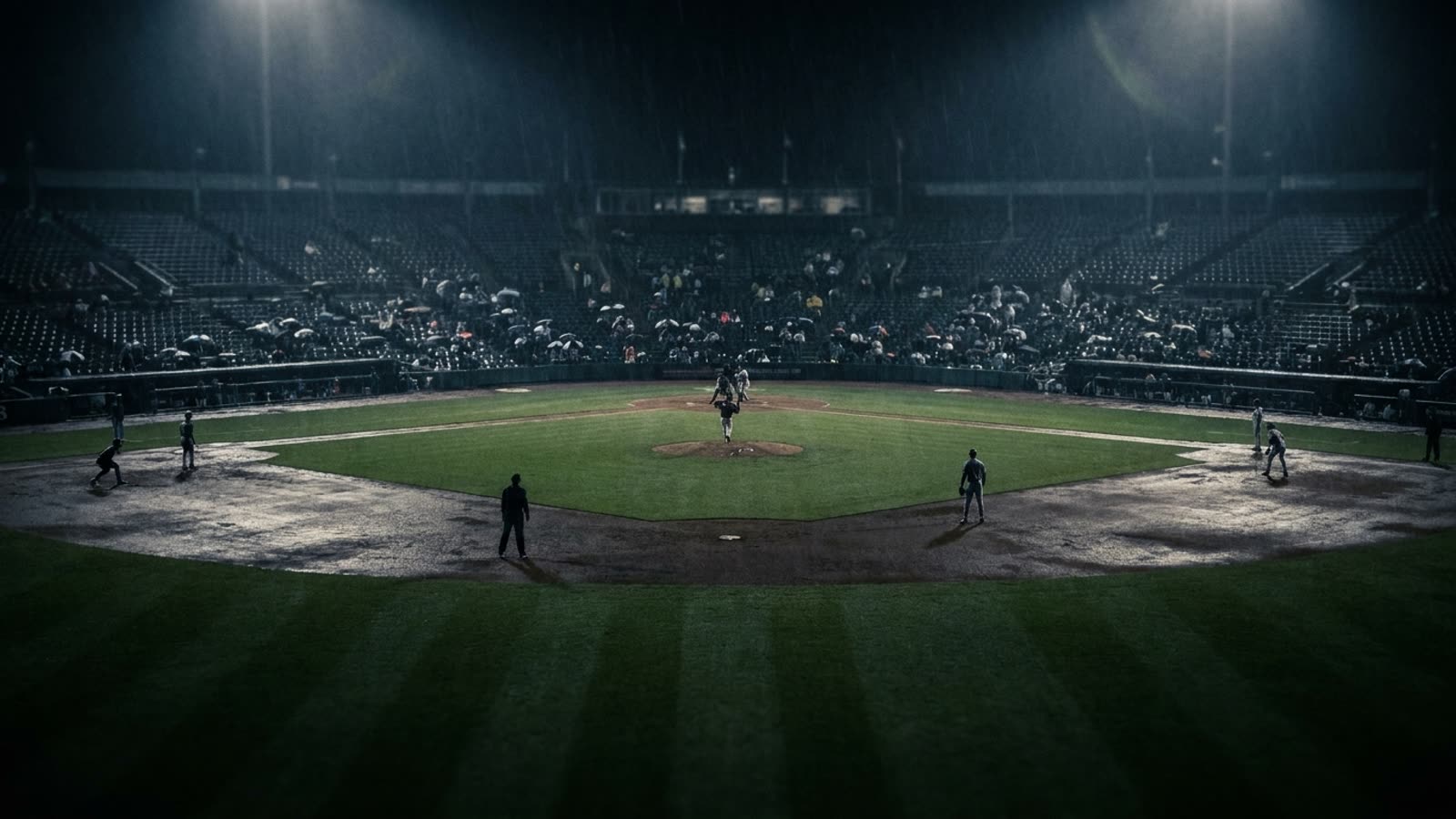
There is a particular flavor of baseball despair that emerges when two lost franchises meet in late May with nothing but September tee times on the horizon. The White Sox hosting the Giants — or vice versa, it hardly matters — is 2026's purest expression of organizational purgatory.
Chicago enters this series as the reigning champions of futility, having posted the worst record in franchise history last season and showing few signs of meaningful improvement. The rebuild that was supposed to yield a championship window instead produced a black hole. Meanwhile, San Francisco has drifted into that uncomfortable middle distance: too proud to tank, too depleted to compete, watching the Dodgers celebrate with the quiet resentment of a neighbor whose lawn is always somehow greener.
The arithmetic of hopelessness
What makes this matchup instructive rather than merely depressing is what it reveals about MLB's structural incentives. The White Sox have committed fully to the tear-down model, shedding salary and stockpiling prospects with the grim efficiency of an estate sale. The Giants have tried the opposite approach — spending on veterans, betting on experience, hoping organizational competence can substitute for elite talent. Neither strategy is working.
The White Sox have the excuse of intention: they are supposed to be bad. The Giants have no such cover. Their payroll suggests contention; their record suggests confusion. This is the more painful condition, the baseball equivalent of a midlife crisis funded on credit.
What the standings obscure
Both franchises possess recent championship memories that make the present sting sharper. Chicago's 2005 title feels like ancient history now, but San Francisco's dynasty run — three rings in five years — ended barely a decade ago. The Giants still employ people who remember what winning feels like. The White Sox have largely purged that institutional memory, which may be merciful.
The divergent paths to the same destination raise uncomfortable questions about whether front-office philosophy matters as much as the industry believes. Tanking and competing-while-bad have delivered identical results: games in late May that function primarily as auditions for players hoping to be traded elsewhere.
Our take
Baseball's regular season is too long to sustain drama, but it is exactly long enough to expose organizational dysfunction. The White Sox and Giants are both telling the truth about themselves right now, and the truth is that neither has a plausible path to October. One franchise chose this; the other stumbled into it. The distinction matters less than you would think.