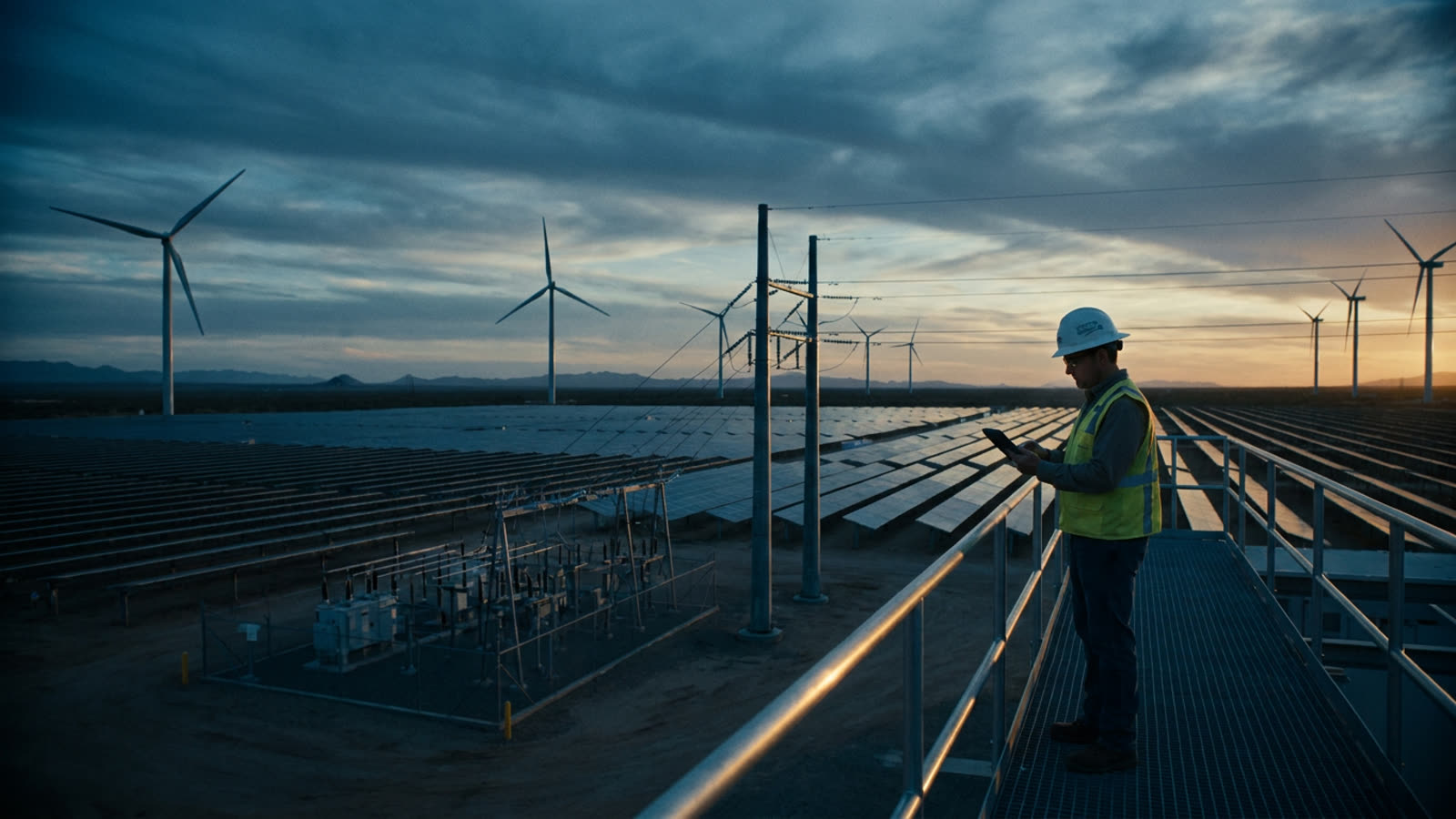
The American electrical grid is about to consolidate around a single, voracious customer: the hyperscale data center.
NextEra Energy and Dominion Energy are in advanced discussions over a tie-up that would create a $400 billion utility behemoth, according to people familiar with the matter. The logic is straightforward: AI infrastructure requires staggering amounts of reliable power, and the companies best positioned to deliver it will command premium valuations for decades. Neither firm has commented publicly, but the strategic rationale writes itself.
The arithmetic of insatiable demand
A single large AI training cluster can consume as much electricity as a small city—somewhere between 100 and 300 megawatts running continuously. Microsoft, Google, Amazon, and Meta have collectively announced data-center investments exceeding $200 billion over the next five years, much of it concentrated in Virginia, Texas, and Florida. Dominion serves northern Virginia, already the world's densest data-center corridor. NextEra, headquartered in Florida, operates the nation's largest renewable-generation portfolio and has been aggressively expanding into Texas. Together, they would control the power supply to nearly every major AI buildout on the East Coast and Gulf region.
The merger math is compelling. Utilities trade on regulated returns, but those returns multiply when demand growth is guaranteed by Fortune 50 customers signing twenty-year power-purchase agreements. NextEra's market capitalization sits around $160 billion; Dominion's hovers near $45 billion. A combined entity would dwarf Southern Company and Duke Energy, the current number-two and number-three players, and would possess unmatched negotiating leverage with tech giants desperate for electrons.
Regulatory hurdles and political timing
Antitrust scrutiny is inevitable. A merged NextEra-Dominion would serve roughly 15 million customer accounts and control critical transmission infrastructure across multiple regional grids. The Federal Energy Regulatory Commission and state public-utility commissions in Virginia, Florida, and elsewhere would each demand concessions. Yet the current administration has signaled enthusiasm for domestic energy investment, and framing the deal as essential to American AI competitiveness could smooth the approval path.
There is also the nuclear question. Dominion operates four reactors in Virginia; NextEra runs a sizable nuclear fleet in Florida. Consolidating these assets under one corporate roof would create the largest nuclear operator in the eastern United States—a talking point that resonates with policymakers worried about grid reliability and carbon targets simultaneously.
Our take
This is less a merger of utilities than a merger of bets on the future shape of American industry. If AI demand grows as projected, the combined company becomes a tollbooth on the information economy. If the AI boom disappoints, shareholders inherit a bloated balance sheet and years of integration headaches. The smart money is clearly wagering on the former. For consumers, the deal promises neither lower rates nor better service—just the quiet certainty that their monthly bill is now underwriting someone else's chatbot.