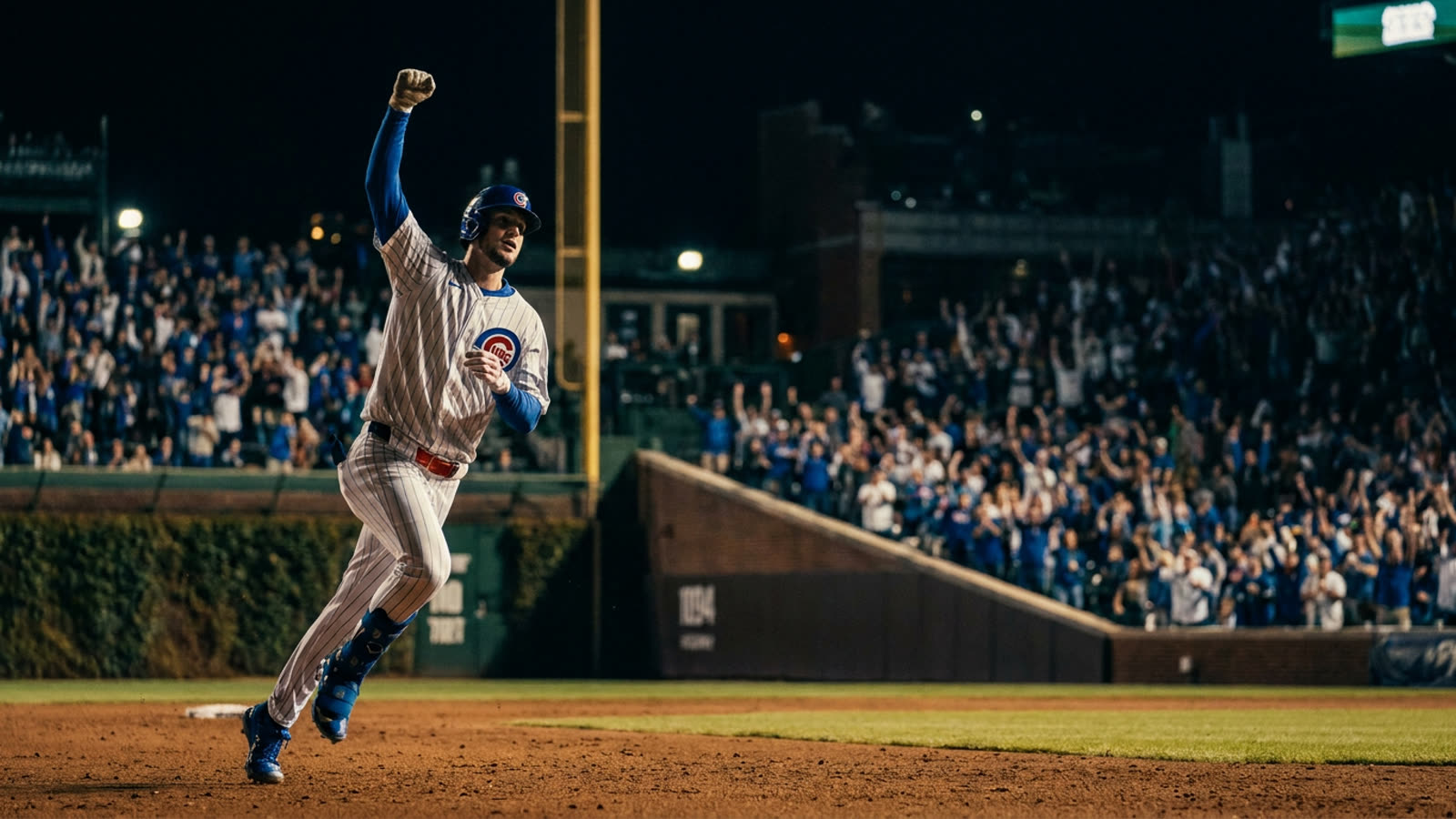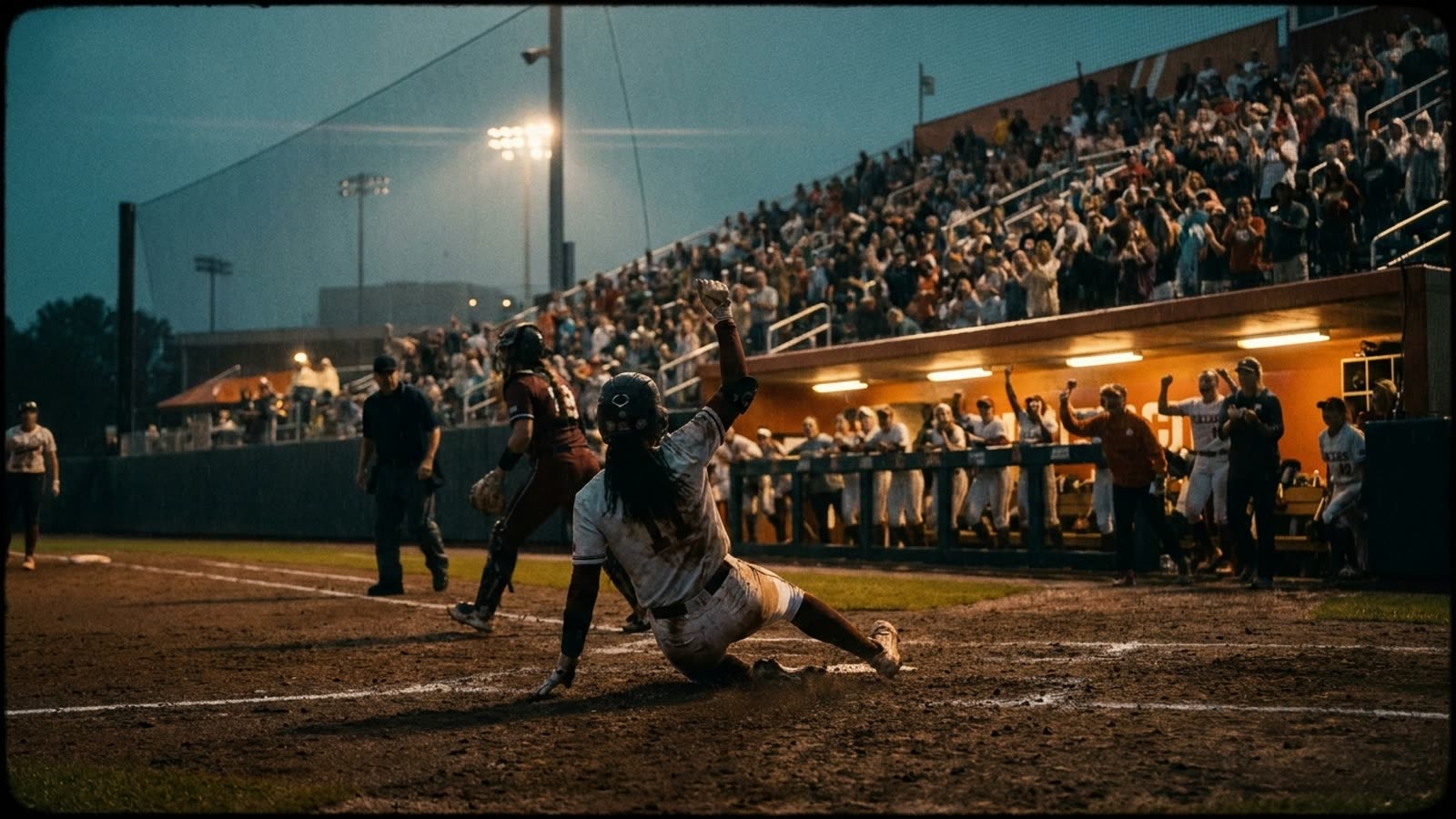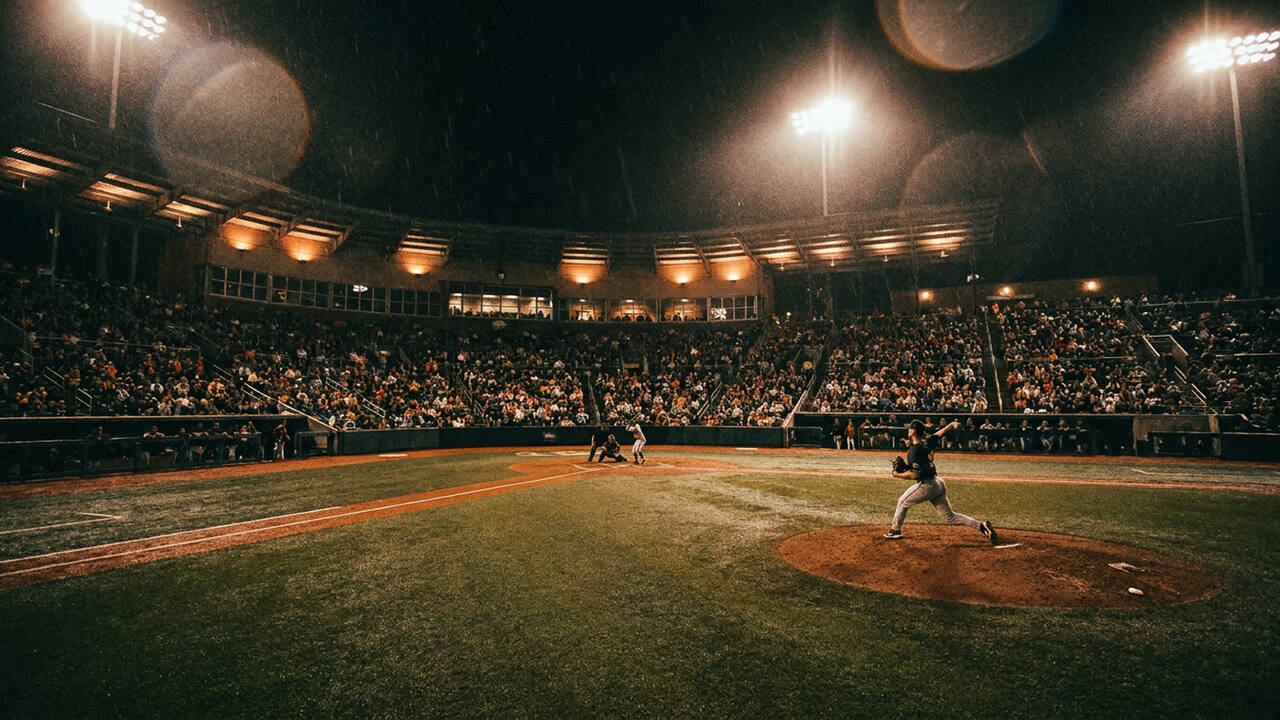
The NCAA Baseball Tournament's Super Regional round opens this weekend with sixteen teams fighting for eight tickets to Omaha, and the field offers a compelling mix of blue-blood anxiety and underdog ambition that makes this the most watchable weekend in college baseball.
The format is unforgiving: best-of-three, double-elimination is over, and a single bad start from your Friday ace can end a season that took six months to build. Unlike the NFL's single-elimination drama or the NBA's grinding seven-game attrition, college baseball's Super Regionals occupy a middle ground that rewards both depth and nerve.
The pressure distribution problem
Programs like Texas, Florida, and LSU carry the weight of institutional expectation into every Super Regional. Their fan bases view Omaha as a baseline, not an achievement. Meanwhile, schools from smaller conferences that survived regional play arrive with house-money energy and nothing to lose—a psychological asymmetry that has produced some of the tournament's most memorable upsets.
The hosting format adds another variable. Super Regionals are held at the higher-seeded team's home stadium, which sounds like an advantage until you consider that home crowds can amplify pressure as easily as they provide support. A packed stadium expecting coronation can turn restless quickly when the visiting team takes an early lead.
What the bracket reveals
This year's matchups suggest the selection committee prioritized geographic clustering over pure seeding drama, which means travel-weary teams aren't a factor. The real intrigue lies in pitching depth: teams that rode one dominant arm through regionals now face the arithmetic reality that you need at least two reliable starters to survive a best-of-three against quality opposition.
Bullpen management becomes the chess match within the chess match. Coaches must decide whether to deploy their best relievers early in close games or save them for potential elimination scenarios. The wrong call in Game 1 can cascade into disaster by Game 3.
The Omaha economy
The College World Series has become a genuine economic event for Nebraska, with the eight-team, double-elimination tournament generating significant tourism revenue and national television attention. For the programs that reach it, the exposure translates into recruiting advantages that compound over subsequent cycles. Missing Omaha, conversely, means watching rivals build momentum while your own program answers uncomfortable questions about development and culture.
Our take
College baseball remains the most underrated postseason in American sports precisely because its format punishes the predictable. The Super Regionals will produce at least one stunning elimination and at least one dominant performance that announces a program's arrival on the national stage. The sport's relative obscurity during the regular season makes its tournament intensity feel earned rather than manufactured—a quality that professional leagues, with their endless regular seasons and bloated playoff fields, might study with some envy.