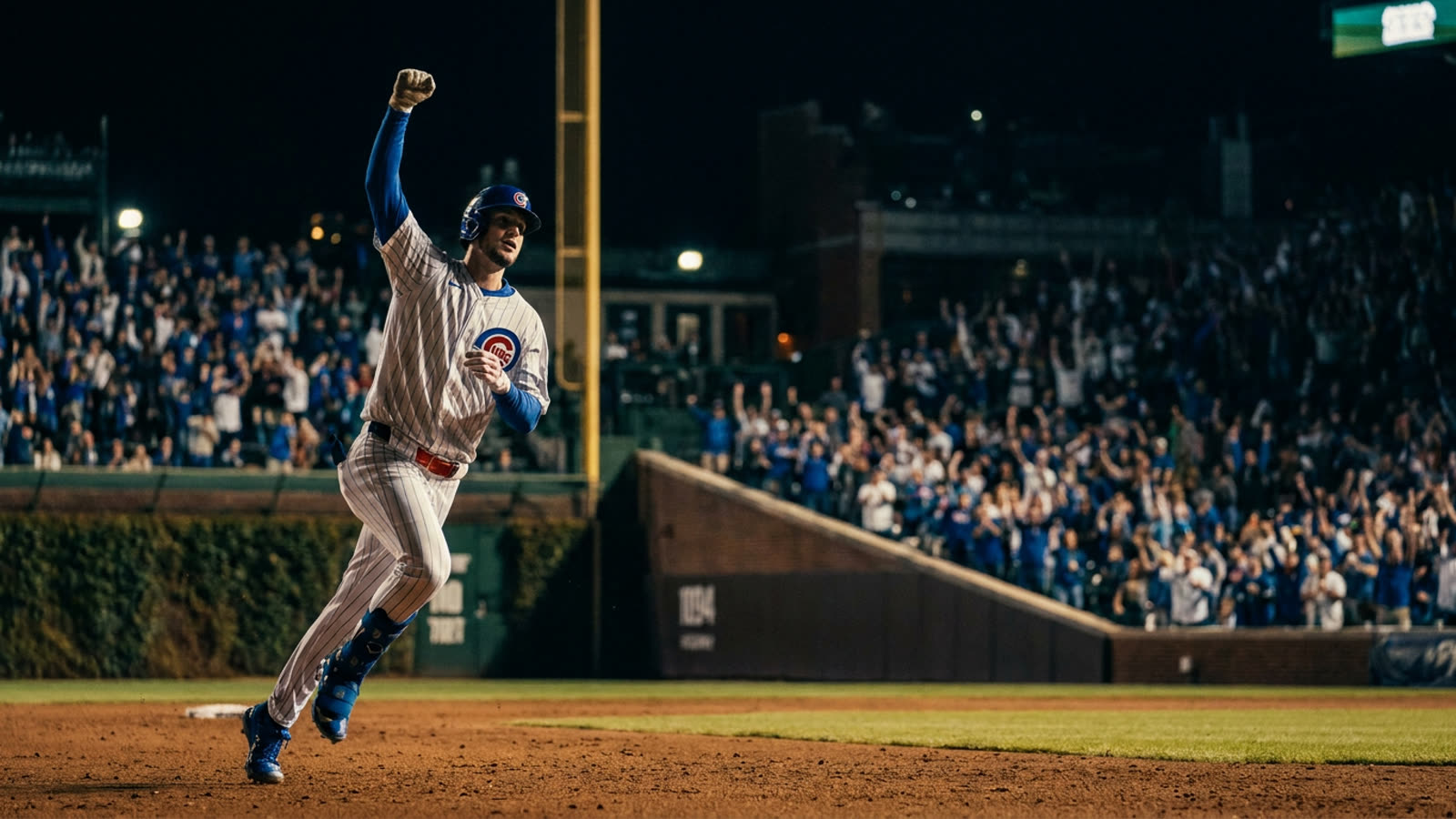
The swing was vintage Kyle Tucker: compact, violent, finished with that distinctive bat flip that manages to be both nonchalant and devastating. His home run for the Dodgers on Tuesday night cleared the left-field pavilion at Chavez Ravine with the kind of authority that makes scouts reach for superlatives and front offices reach for antacids.
For Los Angeles, it was another data point confirming what they believed when they acquired Tucker from the Astros in a blockbuster winter trade that sent a haul of prospects to Houston: this is a player built for October, now wearing Dodger blue in a lineup already stacked with October performers.
The trade that tilted the NL West
When the Dodgers landed Tucker, the baseball world understood the transaction's immediate implications. Here was a 29-year-old left-handed hitter with elite plate discipline, Gold Glove defense, and a postseason track record that includes some of the biggest swings in recent Astros history. The Dodgers, already favored to win the National League, had added a piece that transformed them from prohibitive favorites into something closer to inevitability.
The Cubs, who had positioned themselves as potential suitors for Tucker, ultimately balked at Houston's asking price. Chicago's front office chose to preserve their farm system rather than mortgage it for a player entering his final years of team control. It was a defensible decision at the time. It looks considerably less defensible now, as the Cubs hover around .500 while Tucker rakes in Los Angeles.
What makes Tucker different
The numbers tell part of the story, but they undersell Tucker's particular genius. He is a hitter who punishes mistakes without chasing pitches outside the zone, a combination that makes him nightmarish for opposing pitching staffs. His strikeout rate remains among the lowest for power hitters in the game. His walk rate suggests a batter who knows exactly what he wants and refuses to be seduced by anything else.
Tuesday's home run came on a hanging slider from a reliever who had gotten away with the same pitch against lesser hitters all season. Tucker did not miss. He rarely does.
Our take
The Dodgers have constructed something approaching a superteam, and Tucker's presence removes whatever doubt remained about their championship intentions. For the rest of the National League, the calculus is grim: Los Angeles has added a premium bat to a lineup that already featured Mookie Betts, Freddie Freeman, and Shohei Ohtani. The Cubs' decision to stay out of the Tucker sweepstakes may prove to be the kind of prudent roster management that keeps a franchise competitive for years. Or it may be the move they regret every October for the next half-decade. Right now, watching Tucker launch baseballs into the Los Angeles night, the latter seems more likely.