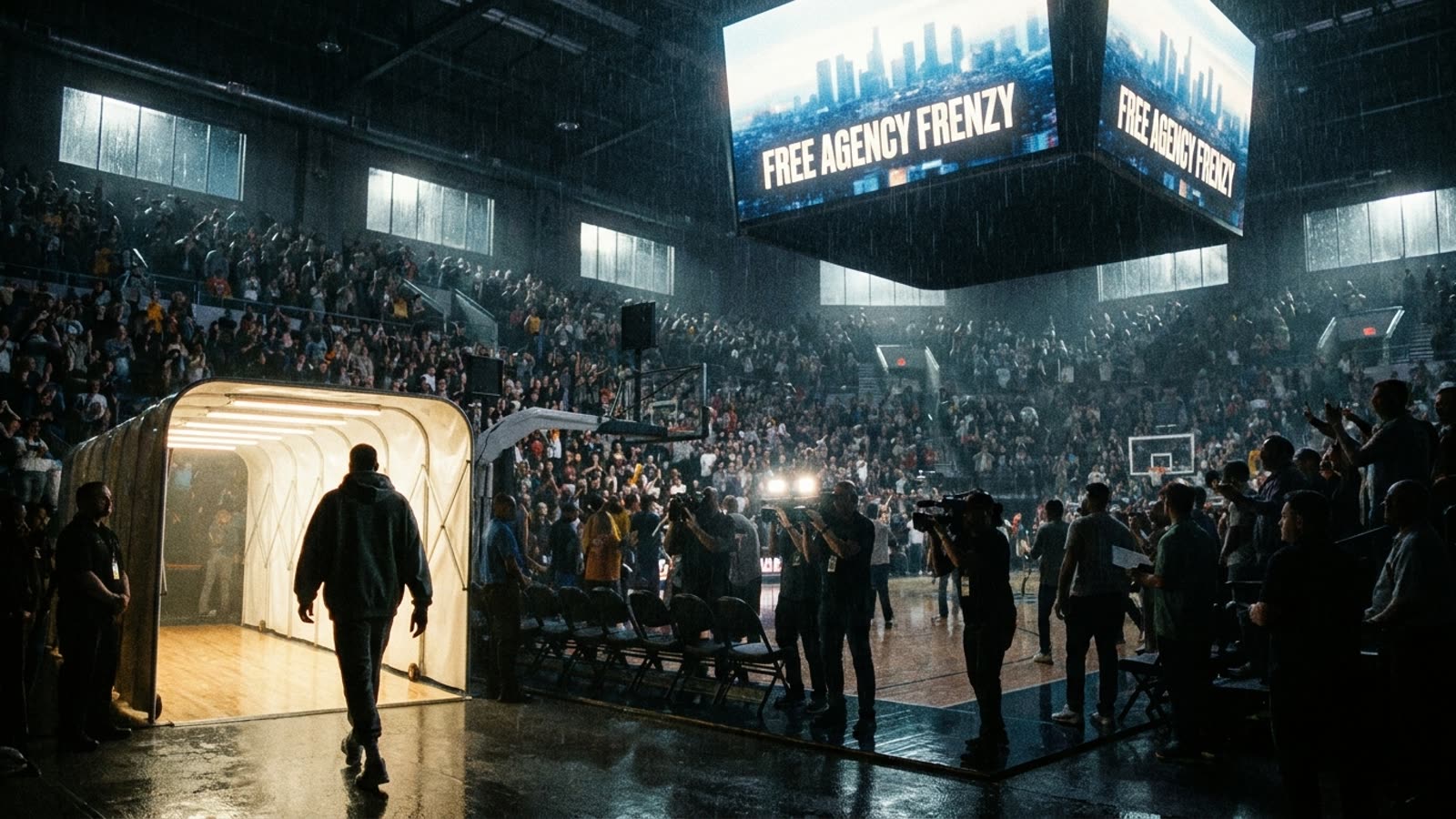
The NBA's annual summer shuffle officially commenced at midnight, and within hours the league's carefully constructed power dynamics began crumbling. The most consequential domino—LeBron James's departure from the Lakers—has set off reverberations that extend far beyond Los Angeles, with current stars publicly processing the news in real time and front offices scrambling to recalibrate their strategies.
The collective reaction from players across the league tells its own story. Veterans who have competed against James for two decades are grappling with what his relocation means for their own championship windows. Younger stars are calculating whether this creates opportunity or simply shifts the obstacle to a different conference. The digital commentary from locker rooms and training facilities has been unusually candid, suggesting even those inside the bubble were caught off guard by the timing and finality of the move.
The market responds
Free agency's opening hours typically feature a flurry of mid-tier signings while marquee names let the tension build. This year inverted the script. James's decision to seek a new home—reported just as the moratorium lifted—immediately recategorized every other available player. Suddenly, the conversation shifted from which contenders could add complementary pieces to which franchises might now be positioned to build around an aging but still elite talent.
The ripple effects extend to players who weren't planning to move at all. Several stars with remaining contract years are now reportedly reconsidering their situations, recognizing that the competitive map has been redrawn overnight. Teams that believed they were one signing away from contention must now ask whether their target destination has fundamentally changed.
What the silence reveals
Perhaps more telling than the public reactions are the notable absences from the commentary. Several general managers who typically engage with media during free agency's opening window have gone dark, suggesting active negotiations that weren't on anyone's radar before the James news broke. The Lakers themselves have issued no statement, an unusual posture for a franchise that typically controls its narrative with precision.
The players who have spoken publicly share a common thread: acknowledgment that this feels different from typical offseason maneuvering. When a player of James's stature and longevity makes a move, it forces everyone in the ecosystem to reassess their assumptions about what the next several seasons will look like.
Our take
Free agency has always been professional basketball's most chaotic annual event, but this year's opening salvo suggests something more fundamental is shifting. The NBA has spent years consolidating talent into a handful of super-teams, and the resulting predictability had begun to dull the regular season's appeal. If James's departure triggers the cascade of movement that early indicators suggest, the league may be entering an era of genuine competitive uncertainty—which is precisely what the product needs. The stars reacting in real time understand this better than anyone: the game they'll be playing next season might look nothing like the one they just finished.