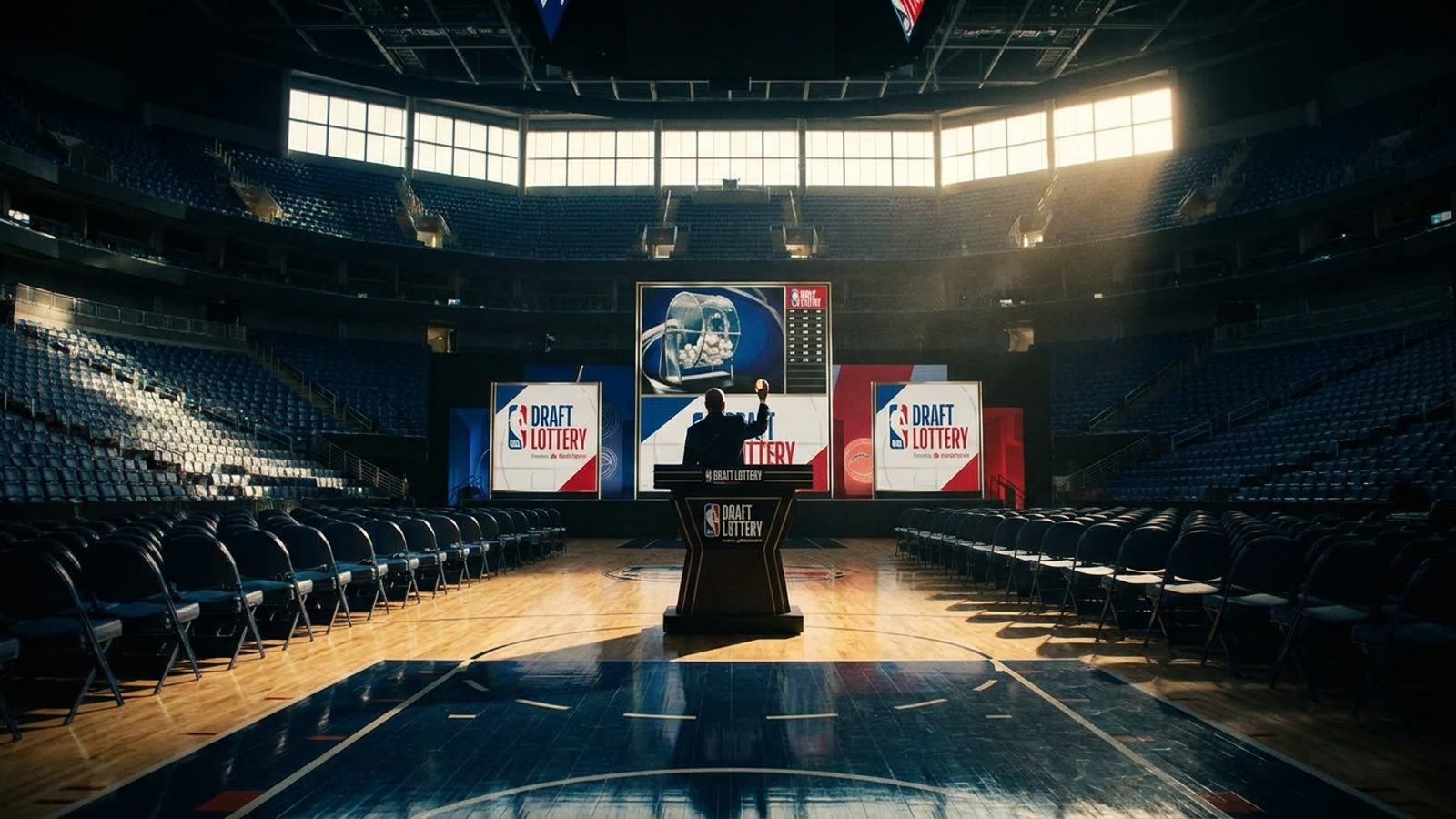
The NBA's competition committee is circulating a draft lottery reform proposal that would fundamentally reshape how the league distributes its most valuable currency: young talent. The so-called '3-2-1' system would compress the odds gap between the league's worst teams and its middle class, a move proponents frame as an anti-tanking measure but critics see as a solution in search of a problem.
The current lottery, revised in 2019, already flattened odds at the bottom — the three worst teams now share identical 14% chances at the top pick. The new proposal would go further, creating a more gradual probability curve that gives teams finishing 8th-through-12th meaningfully better shots at premium selections. The theory: if losing badly doesn't guarantee lottery gold, franchises will stop trying to lose badly.
The tanking paradox
Here's the uncomfortable truth the league rarely acknowledges: tanking works. The Thunder's current dynasty was built on it. The Spurs' Wembanyama-led resurgence required it. Philadelphia's Process, however ugly, produced Joel Embiid. The NBA's most successful rebuilds of the past decade share a common thread — deliberate, sustained awfulness followed by lottery luck.
Compressing odds doesn't eliminate this incentive; it merely introduces more variance. A team that finishes 25-57 would still have better lottery positioning than one finishing 35-47, just by a smaller margin. The marginal value of each additional loss decreases, but the fundamental calculus remains: worse record equals better odds.
What the reform actually accomplishes is punishing small-market teams that lack the free-agency appeal to rebuild through other means. The Lakers can afford to hover in mediocrity knowing stars will eventually demand trades to Los Angeles. The Hornets cannot.
The competitive integrity question
Proponents argue the current system creates too many unwatchable games. When a quarter of the league is actively trying to lose by March, the regular season's integrity suffers. This is true. It's also true that the NBA's 82-game schedule was never designed for competitive purity — it was designed to sell tickets and television inventory.
The more honest framing: the league wants its worst teams to be entertaining enough to maintain local fan engagement while still being bad enough to need lottery salvation. The '3-2-1' proposal is an attempt to thread this needle, keeping hope alive for middling franchises while reducing the incentive for outright roster demolition.
Whether this serves the sport or merely the league's broadcast partners is a question the competition committee seems uninterested in answering.
Our take
Lottery reform is a perennial NBA hobby because the league refuses to address the actual problem: a salary cap structure that makes it nearly impossible for bad teams to acquire good players through any means other than the draft. Until max contracts stop funneling stars to glamour markets and the cap allows genuine bidding wars for free agents, the draft will remain the only reliable path to contention for half the league. Tinkering with ping-pong ball odds is rearranging deck chairs. The ship's design is the issue.