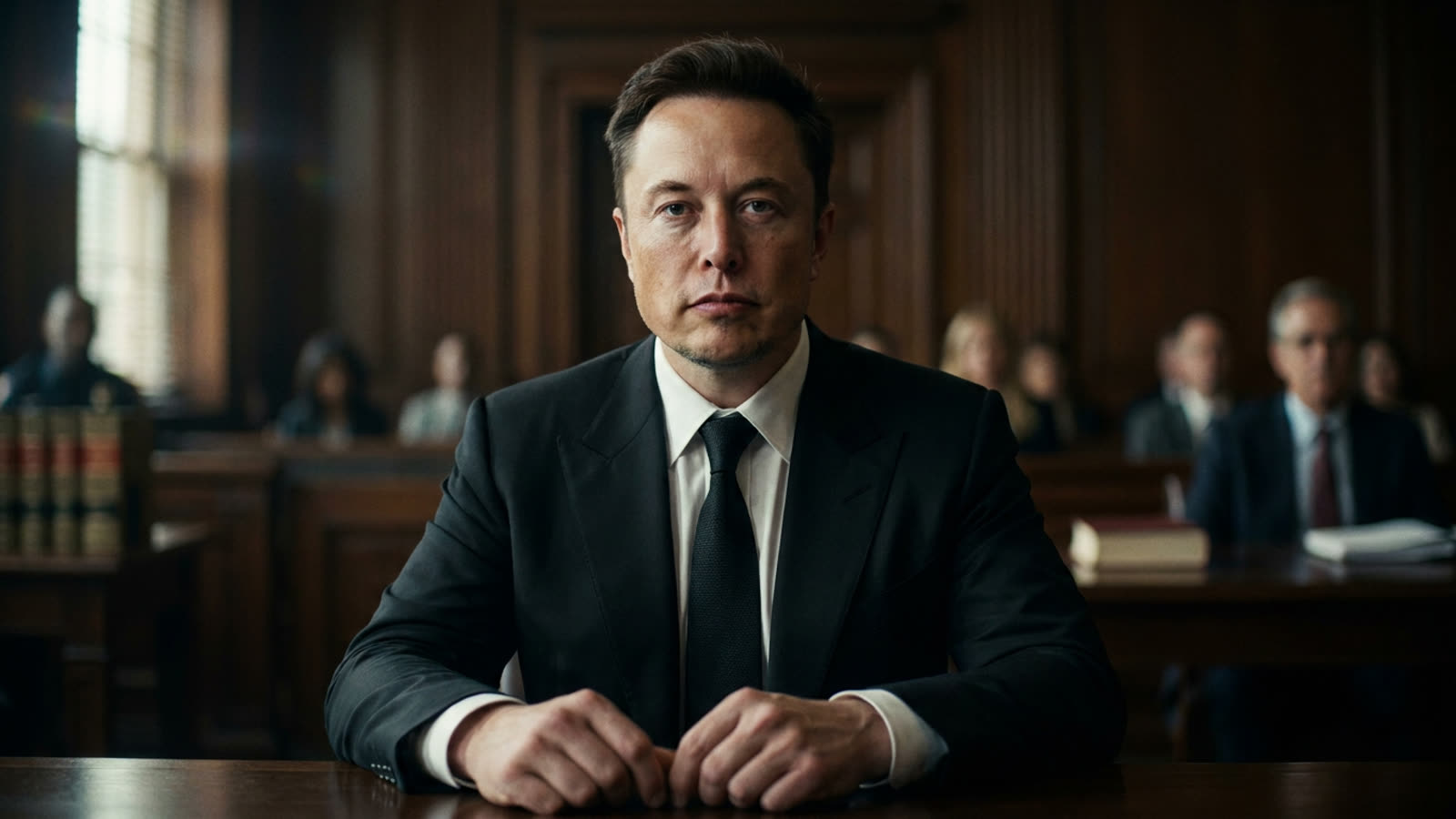
On Monday afternoon in Oakland, nine jurors took two hours to dismantle three years of Elon Musk's most personal legal crusade. The verdict was unanimous. The reason was procedural. And for OpenAI — now reportedly preparing for an IPO — it was the cleanest possible victory.
Musk had sued Sam Altman, Greg Brockman, OpenAI, and Microsoft, accusing them of "stealing a charity" by spinning a for-profit affiliate out of the nonprofit research lab he had helped fund. He wanted the for-profit structure unwound. His lawyers floated damages estimates between $78.8 billion and $135 billion. The trial featured marquee testimony from across Silicon Valley and turned, at moments, into a referendum on who really gets to steer artificial intelligence.
None of that mattered. The jury never reached the merits. They ruled instead on a defense most observers had underestimated: the statute of limitations.
What the jury actually decided
Under California law, Musk had to file his claims within specific deadlines tied to when the alleged harm occurred. OpenAI's lawyers argued — and the jury agreed — that every injury Musk pointed to had taken place before the filing windows closed: before August 5, 2021 for the first count, before August 5, 2022 for the second, and before November 14, 2021 for the third.
Musk's case, in other words, was not lost on whether Altman betrayed him. It was lost on a calendar.
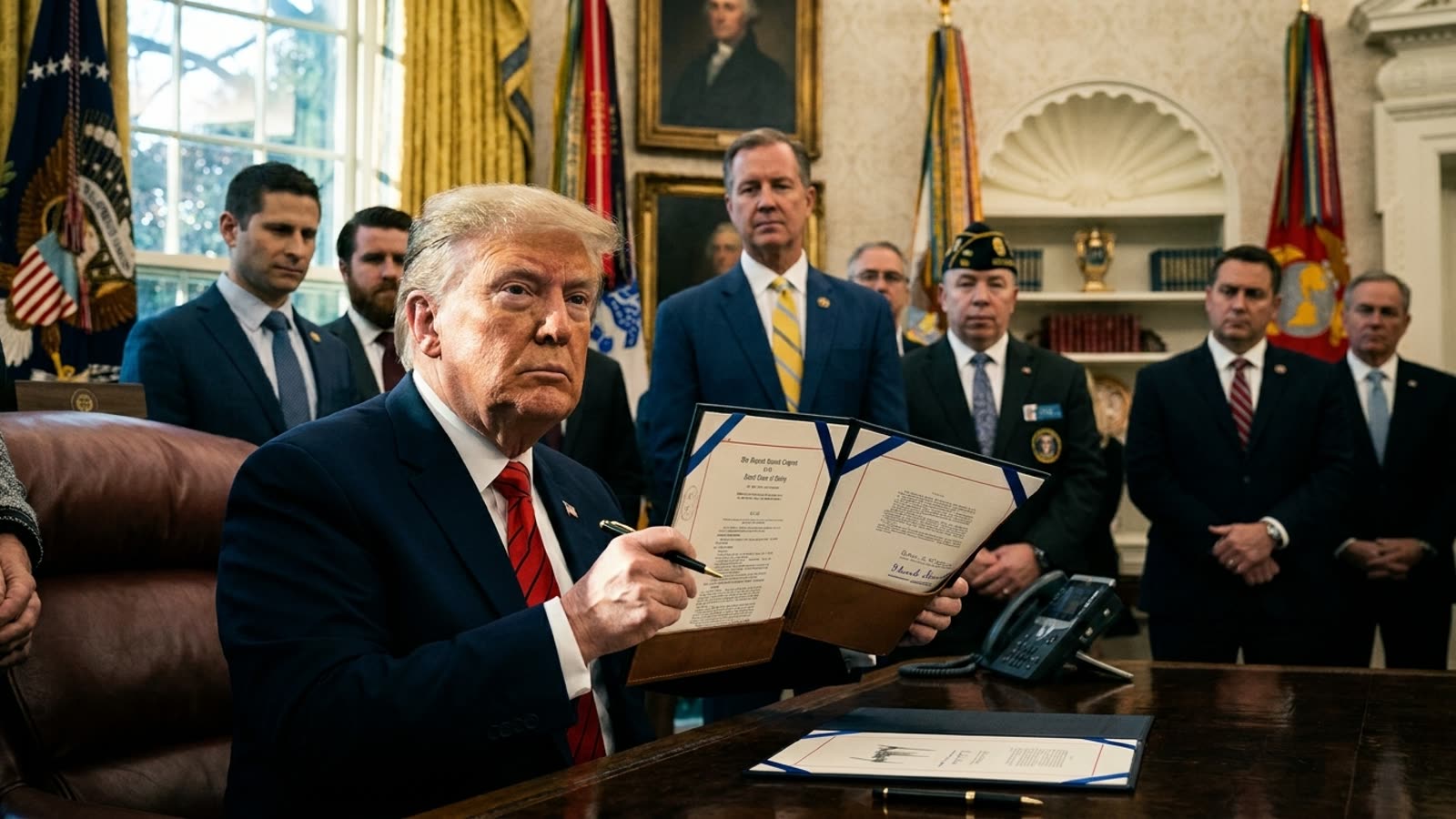
Judge Yvonne Gonzalez Rogers made clear after the verdict that she had been ready to dismiss the suit herself if the jury had not. "There was a substantial amount of evidence to support the jury's finding," she said, "which is why I was prepared to dismiss on the spot." That is unusually pointed language from a federal judge. It suggests the case was, in her view, never really close.
Why two hours
Jury deliberations after three-week trials routinely stretch for days. Two hours is the kind of number you see when twelve — or, in California civil trials, nine — people walk into a room and discover they already agree.
OpenAI's lead attorney, Bill Savitt, was unsparing. "It did not take them two hours to conclude that Mr. Musk's lawsuit is nothing more than an after-the-fact contrivance that bears no relationship to reality," he said. "They kicked it exactly where it belongs — just to the side. This lawsuit is a hypocritical attempt to sabotage a competitor."
That last sentence is the one that will follow Musk around. Because he runs xAI. Because xAI competes directly with OpenAI. And because the trial record now contains, on the public docket, a federal judge and a unanimous jury essentially endorsing the framing that Musk filed this lawsuit not as a wronged co-founder, but as a rival.
The Musk response
Musk did not concede. In a post on his own platform after the verdict, he framed the procedural dismissal as a kind of moral win — arguing that nobody following the case in detail could deny that Altman and Brockman had "enriched themselves by stealing a charity."
This is a familiar Musk move: lose in court, declare victory in the court of opinion. It works on his audience. It does not change the docket.
Meanwhile, the damages phase — the part of the trial where Musk's experts had been arguing for a $78.8-to-$135 billion recovery — is now moot. Judge Gonzalez Rogers had already telegraphed her skepticism of that math during pre-verdict hearings, telling Musk's damages expert Dr. C. Paul Wazzan that his analysis "seems to be devoid of connection to the underlying facts."
What this means for OpenAI
One sentence: the restructuring threat is gone.
Until Monday, the single largest legal risk hanging over OpenAI's planned IPO was that a court could order the for-profit structure unwound — exactly what Musk was asking for. Investors had been pricing in that uncertainty. Microsoft, which holds the largest external stake and was named as a co-defendant for "aiding and abetting," has been quietly waiting for this overhang to clear. A Microsoft spokesperson confirmed the company "remained committed to our work with OpenAI" after the verdict.
Barring an appeal that overcomes the statute-of-limitations finding — extraordinarily hard, because it is a factual determination by a jury — OpenAI now has a clean path to whatever corporate structure it wants. The IPO timeline, which had been treated as theoretical, just became operational.
Our take
Musk did not lose because he was wrong about the founding story of OpenAI. He may well be right, in some narrative sense, that the lab he helped capitalize was supposed to be a charity and ended up something else. The jury never had to decide that.
He lost because he waited. He spent years airing the grievance on social media before turning it into a complaint, and by the time the complaint was filed, the clock had already run on every theory of harm he wanted to litigate. That is a banal, lawyerly failure mode — and a brutal one, because there is no appeal that rewinds the calendar.
The deeper lesson for the AI industry is uglier. The biggest legal challenge to the for-profitization of frontier AI just collapsed on a procedural technicality, with the underlying question — whether you can convert a nonprofit AI lab into a multi-hundred-billion-dollar private company without consequence — entirely undecided. That fight isn't over. It's just been postponed, again, by someone who waited too long to start it.