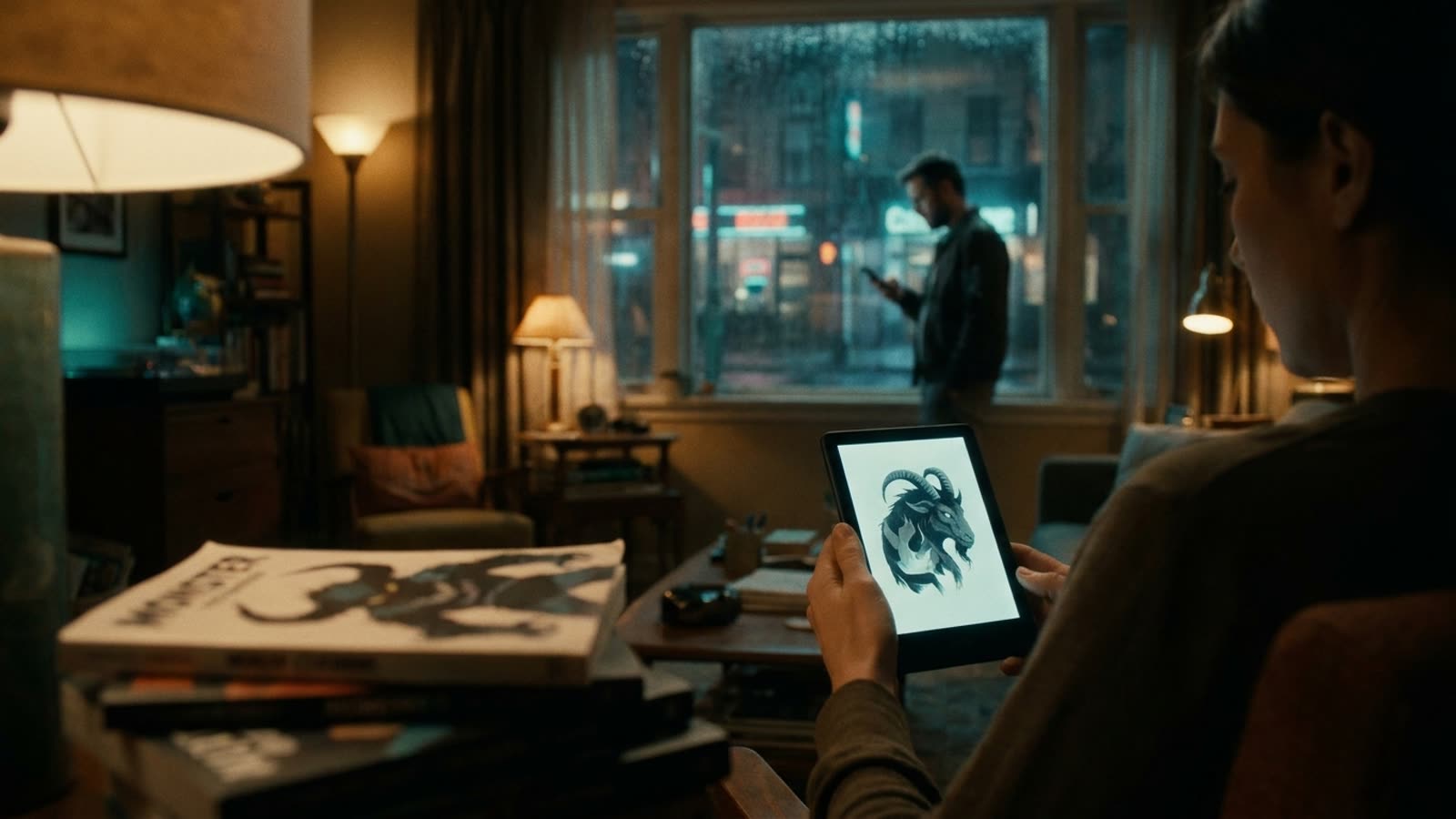
The monster romance genre — in which human women fall for tentacled aliens, seven-foot orcs, and sentient fungi — has migrated from the fringes of self-published erotica into the cultural mainstream. What began as a post-Twilight underground has become a publishing juggernaut, with titles like Ice Planet Barbarians and A Court of Thorns and Roses selling tens of millions of copies. Hollywood has noticed: monster-adjacent romances now populate streaming platforms, and the aesthetic has infiltrated fashion editorials and TikTok trends. The question is no longer whether the genre is legitimate, but what its explosive popularity reveals about contemporary desire.
The appeal of the inhuman
The surface explanation is simple: absurdism as escapism. A romance with a wicker husband or a swamp creature sidesteps the tedious negotiations of real relationships — no splitting the check, no decoding texts, no navigating his podcast recommendations. But the genre's fans articulate something more pointed. Monster lovers, by design, cannot replicate the failures of human men. They cannot ghost. They cannot weaponize incompetence. They cannot fail to notice a haircut. The fantasy is not merely of passion but of attention — of being pursued by a creature whose entire biology is oriented toward devotion.
Dating app disillusionment
The timing is not coincidental. Monster romance's ascent tracks precisely with the souring of app-based dating culture. Studies consistently show that women on dating platforms report exhaustion, safety concerns, and a pervasive sense that the men they encounter are either emotionally unavailable or actively deceptive. The genre offers a pointed inversion: monsters who appear frightening but prove tender, versus human men who appear normal but prove monstrous. The metaphor is not subtle, and readers do not require it to be.
Commerce follows fantasy
Publishers have responded with industrial efficiency. Amazon's Kindle Unlimited, which pays authors by pages read, has become a monster-romance factory, with new titles appearing daily. The genre's visual language — muscular blue aliens, horned warriors, protagonists in flowing gowns — has become instantly recognizable. Merchandise, fan art, and convention panels have followed. What was once dismissed as embarrassing niche content now commands serious marketing budgets and mainstream review coverage.
Our take
Monster romance is funny, and its fans are in on the joke. But beneath the absurdity is a sincere critique: if the fantasy of being cherished requires imagining a partner who is literally not human, the genre is diagnosing something real about heterosexual dating's dysfunction. The minotaur is not the point. The minotaur is what happens when the alternatives feel worse.