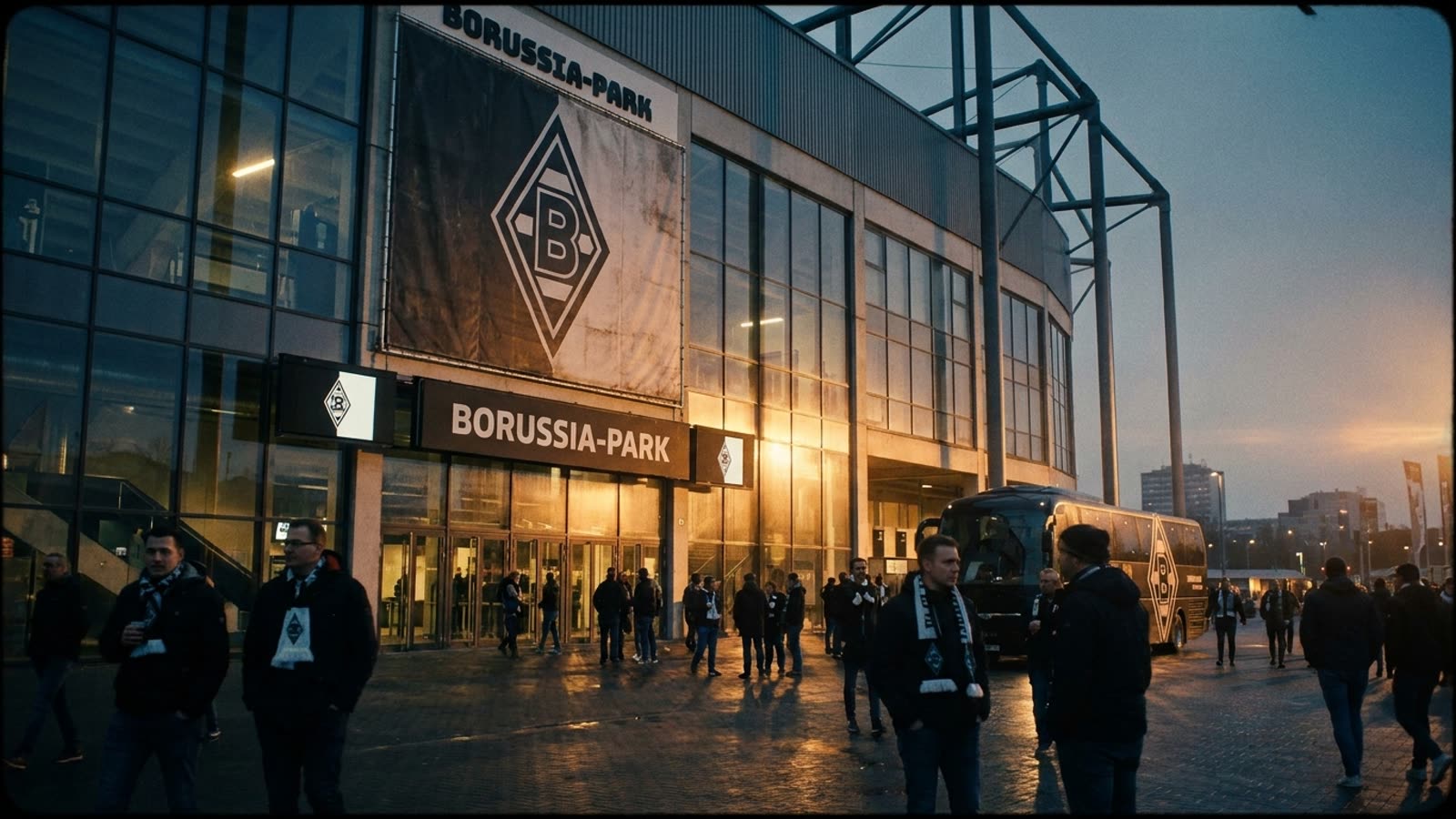
There is a particular flavor of despair that attaches to a club that should be better than it is. Borussia Mönchengladbach, five-time German champions, perennial European contenders through the 1970s, have spent the 2026-27 season marinating in it. Zero wins from six matches. Bottom of the Bundesliga. The kind of form that gets managers sacked, sporting directors questioned, and fans muttering darkly about the second division.
On Friday night at the Mercedes-Benz Arena, that misery finally cracked. Gladbach came from behind twice to beat Stuttgart 3-2 in a chaotic five-goal thriller, securing three points that feel worth considerably more than their arithmetic value.
The anatomy of a comeback
Stuttgart, themselves enduring a middling campaign, took the lead and must have fancied their chances against opponents who had forgotten how to win. But Gladbach showed a stubbornness that had been conspicuously absent all season. The equalizer came with purpose; the second Stuttgart goal might have broken them; instead, they found two more responses. The winner arrived with the kind of desperate energy that relegation fear tends to produce.
The result lifts Gladbach off the bottom of the table — barely — but more importantly, it provides proof of concept. A team that had looked incapable of stringing together ninety competent minutes demonstrated that the players are not, in fact, completely useless. This is lower-bar territory, but sometimes the lower bar is the only one that matters.
Why Gladbach's decline stings
This is not some newly promoted side learning harsh top-flight lessons. Mönchengladbach is a founding member of the Bundesliga, a club with European pedigree and a stadium that seats 54,000. Their decline has been gradual and then sudden: a failed coaching carousel, recruitment missteps, the departure of key players without adequate replacement. The rot set in over several seasons, but hitting rock bottom this autumn has concentrated minds.
German football romantics — and there are many — have watched with dismay. The Bundesliga already suffers from Bayern Munich's gravitational dominance; losing another historic club to the second tier would further erode the league's competitive texture. Gladbach staying up matters beyond Gladbach.
Our take
One win does not make a survival campaign, and Gladbach remain deep in trouble. But football is a confidence sport, and a team that cannot remember how to win eventually forgets that winning is possible. Friday's result is a reminder that it is. The margins in the Bundesliga basement are thin; three points here, a draw there, and the picture shifts. Gladbach have bought themselves time and, perhaps, belief. Whether they can convert that into sustained competence remains the season's open question. For now, they are off the bottom, and in their current circumstances, that qualifies as progress.