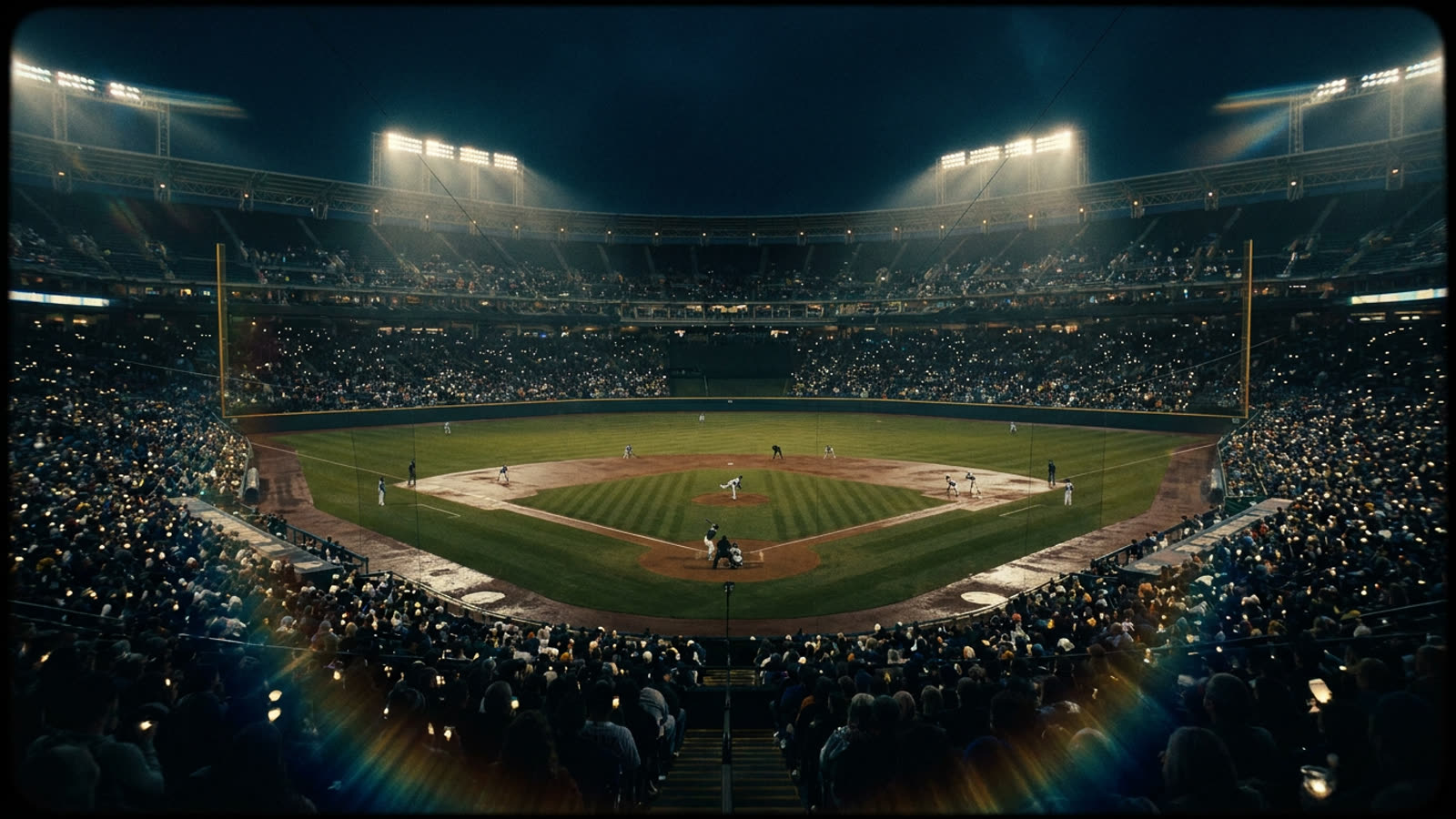
The senior circuit hasn't looked this dominant since the dead-ball era, and the junior circuit hasn't looked this confused since expansion diluted its talent pool in the 1990s.
ESPN's latest MLB power rankings, released this week, plant National League teams firmly atop the landscape — a reflection of superior run differentials, deeper rotations, and front offices that seem to have cracked some code their American League rivals are still searching for. The Dodgers, Phillies, and Braves occupy the top tier, playing baseball that looks almost unfair against the scattered competence of the AL East and the rebuilding chaos everywhere else.
The numbers don't lie
Through late May, NL teams have posted a collective winning percentage against interleague opponents that would make Bud Selig weep with vindication. The universal DH was supposed to level the playing field; instead, it appears to have given NL clubs an offensive boost without sacrificing the pitching depth they'd already cultivated. The Phillies' rotation, anchored by Zack Wheeler and bolstered by midseason acquisitions from previous years, is posting strikeout numbers that belong in a video game. The Dodgers, as always, are spending like a sovereign wealth fund and getting results that justify every dollar.
Meanwhile, the Yankees are treading water, the Astros' dynasty feels officially concluded, and the Mariners remain the sport's most beautiful tragedy — elite pitching wasted on an offense that treats run production like an optional feature.
Why the imbalance?
Front-office philosophy has diverged sharply between the leagues. NL general managers, perhaps scarred by years of watching their pitchers flail at the plate, invested heavily in two-way depth and bullpen construction. When the DH arrived, they were ready to slot in competent hitters without sacrificing roster flexibility. AL teams, long reliant on the DH as a parking spot for aging sluggers, found themselves with redundant roster construction and less adaptability.
There's also the matter of player development pipelines. The Dodgers' farm system has become a finishing school for major-league-ready talent; the Braves' ability to identify and develop pitching remains unmatched. The AL's best developmental organizations — Tampa Bay, Cleveland — are hamstrung by payroll constraints that prevent them from retaining their homegrown stars.
Our take
Baseball's competitive balance has always been a polite fiction, but the current NL supremacy feels structural rather than cyclical. The American League isn't just losing games; it's losing the intellectual arms race that determines who wins games three years from now. Until AL front offices stop treating roster construction like a spreadsheet exercise and start treating it like the Dodgers treat everything — as a problem to be solved with unlimited resources and zero sentimentality — expect the senior circuit to keep running up the score.