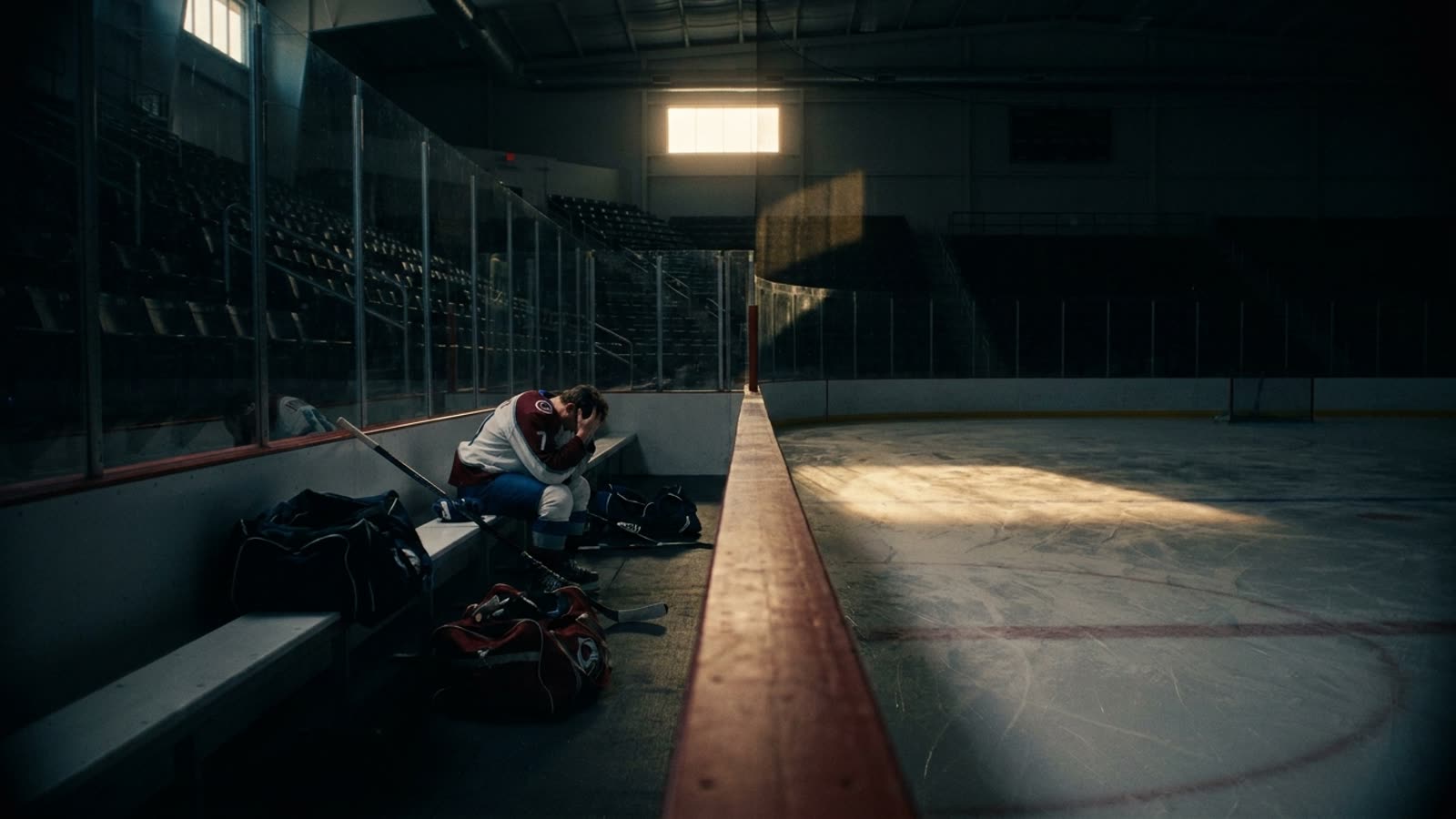
The cruelest highlight reel of Toronto's spring isn't the Maple Leafs' early exit—it's Mitch Marner threading passes through traffic in games that actually matter, wearing someone else's sweater.
Marner, the skilled playmaker who became the avatar for Toronto's playoff dysfunction during his seven seasons with the Leafs, has been revelatory since his departure. Through the first two rounds of this year's Stanley Cup playoffs, he's producing at better than a point-per-game pace, his vision and puck-handling unlocking offensive sequences that Toronto fans spent years insisting he couldn't deliver when stakes were highest. The narrative that Marner was a regular-season stat-padder who shrank in April and May is getting systematically dismantled, one primary assist at a time.
The Toronto problem was never just Marner
The Leafs' decision to let Marner leave—whether framed as cap management, a necessary culture shift, or mutual exhaustion—looked defensible at the time. Toronto had endured seven consecutive first-round exits with Marner on the roster, and someone had to absorb the blame. The $10.9 million cap hit made him an easy target. What the organization perhaps underestimated was that playoff failure is rarely about one player's supposed mental fragility. It's usually about depth, goaltending, and coaching adjustments—the unsexy infrastructure that championship teams build around their stars rather than instead of them.
Marner's new environment has provided exactly that infrastructure. He's no longer being asked to be the primary engine; he's a devastatingly effective secondary creator who can exploit the defensive attention paid to his linemates. The role suits him. More importantly, the team around him has the pieces Toronto never quite assembled during the Auston Matthews era.
What Toronto is left with
The Leafs, meanwhile, are watching these playoffs from home, having been bounced in the first round again despite the roster retooling that Marner's departure was supposed to enable. The cap space reclaimed has been deployed on depth pieces and defensive upgrades that have yet to translate into postseason success. Matthews remains a generational goal-scorer surrounded by a supporting cast that still hasn't figured out how to win four games against good teams.
There's a particular sting for Toronto fans in watching Marner succeed now. For years, the discourse around him carried an almost moral dimension—he was soft, he disappeared, he didn't want it enough. Those criticisms always said more about the desperation of a fanbase that hasn't seen a Cup since 1967 than about Marner's actual game. Elite playmakers don't suddenly forget how to play hockey in the postseason. They either have the team around them or they don't.
Our take
Marner's playoff success this spring isn't vindication so much as clarification. He was always this good; Toronto was always this dysfunctional. The Leafs spent years constructing a narrative that their postseason failures were about individual choking rather than organizational shortcomings, and Marner was the most convenient vessel for that story. Now he's gone, the losses continue, and the fanbase is left to contemplate whether the problem was ever the player they blamed or the franchise that kept failing to build around him properly. Schadenfreude cuts both ways—Marner gets to play meaningful hockey in late May while Toronto gets to wonder what might have been with a different supporting cast. Neither outcome feels accidental.