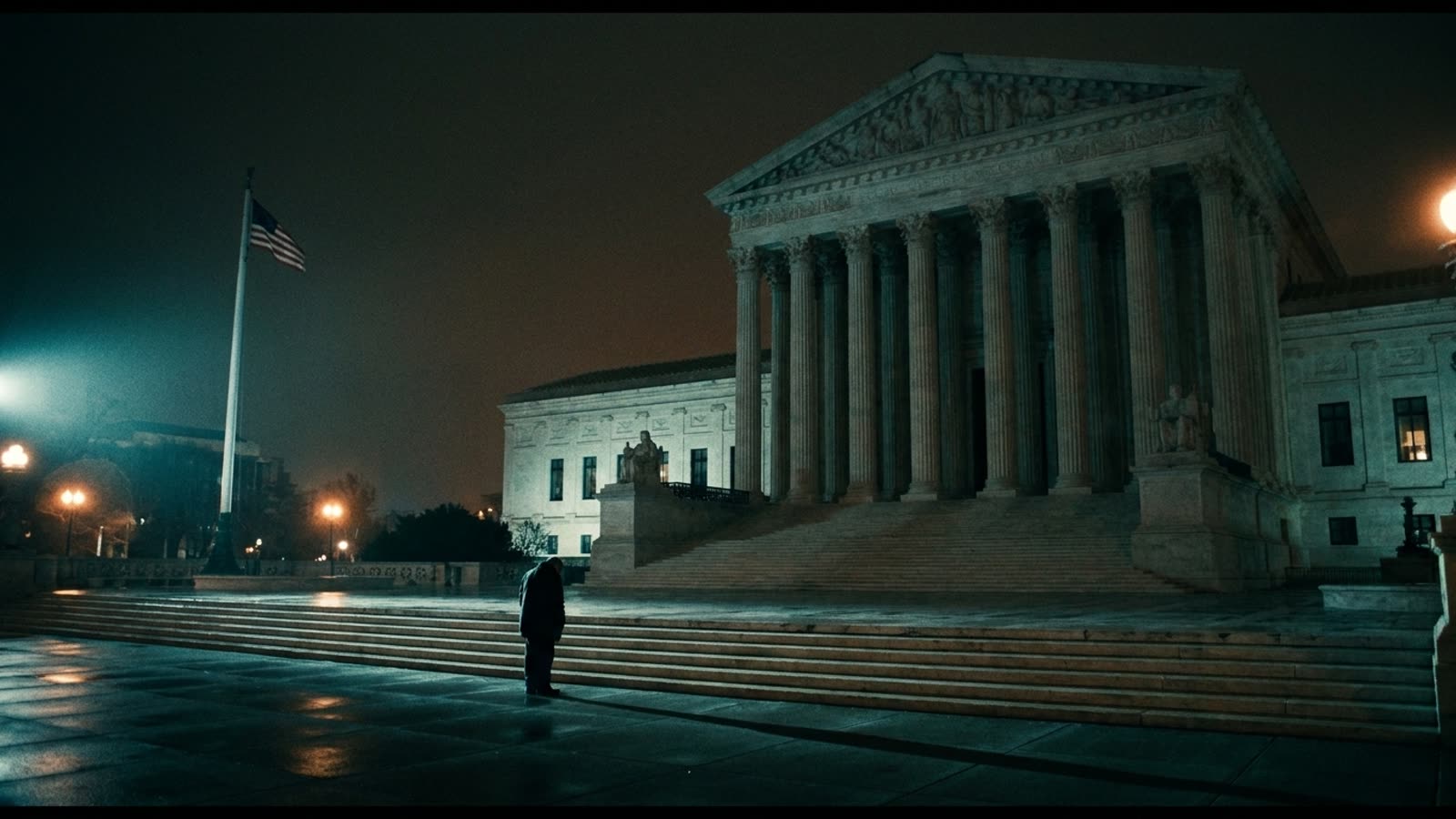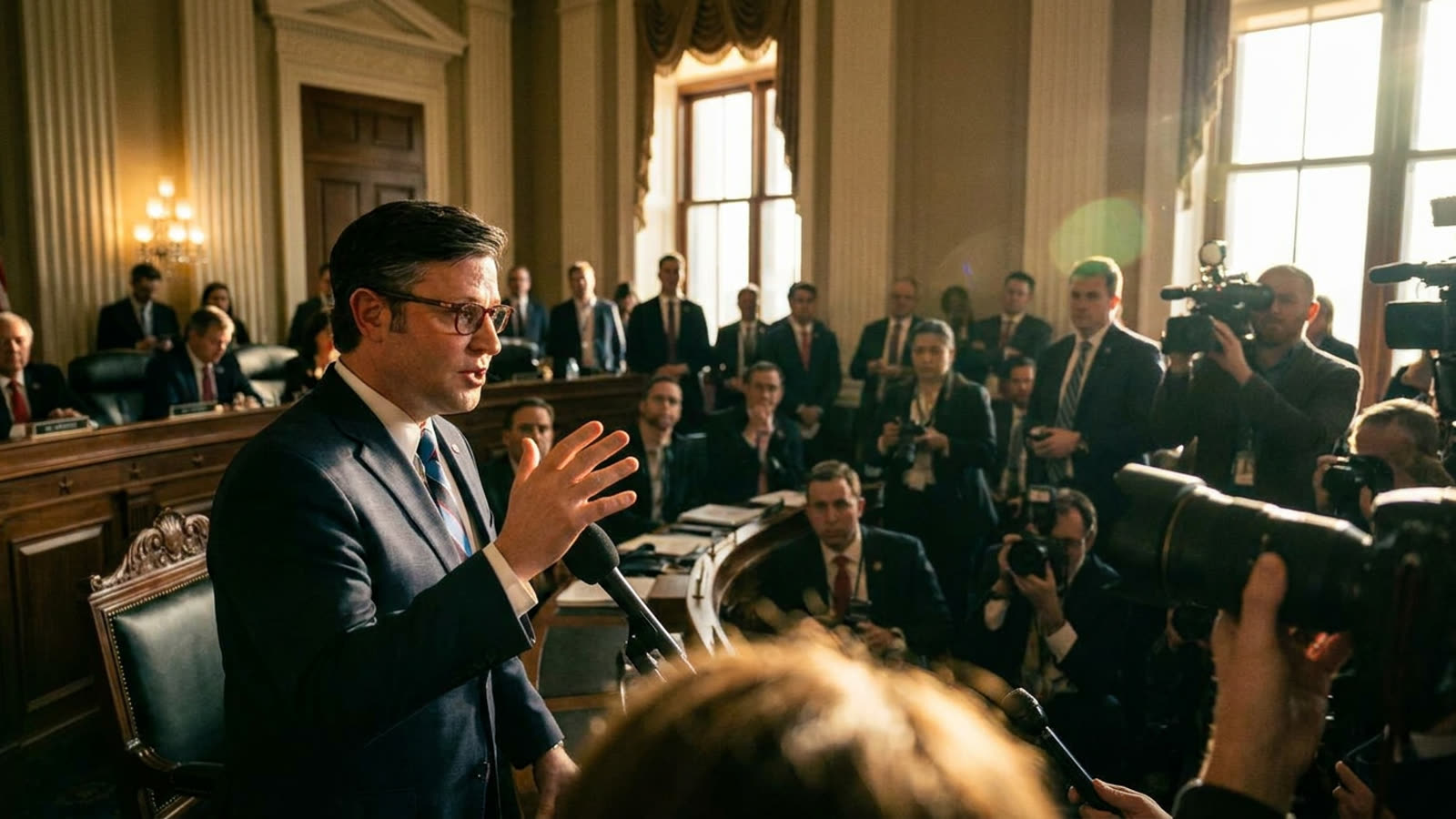
Hours after the Supreme Court upheld birthright citizenship in a ruling that surprised almost no one who has read the Fourteenth Amendment, House Speaker Mike Johnson offered a remarkable admission: Congress should probably do something about the issue, but "I don't know what that is."
The statement was not a gaffe. It was a confession—one that illuminates how thoroughly the executive branch has come to rely on judicial confrontation as a substitute for legislative strategy.
The constitutional cul-de-sac
The Fourteenth Amendment's citizenship clause is among the most unambiguous provisions in the entire Constitution: "All persons born or naturalized in the United States, and subject to the jurisdiction thereof, are citizens of the United States." For over a century, courts have interpreted this to mean exactly what it says. The Trump administration's attempt to redefine "subject to the jurisdiction thereof" to exclude children of undocumented immigrants was always a long shot—a constitutional Hail Mary thrown not because anyone expected it to connect, but because throwing it was itself the message.
Johnson's post-ruling comments suggest the legislative branch was never meant to catch the ball. When pressed on what Congress might do, the Speaker demurred, noting the complexity of immigration law and the difficulty of amending the Constitution. These are not new observations. They were equally true before the administration launched its executive action.
The politics of performative litigation
What the birthright gambit achieved was not legal change but political theatre. For months, the administration could point to an active challenge, signaling to its base that it was fighting on immigration even as legislative efforts stalled. The Supreme Court's inevitable rejection now provides a different kind of political utility: evidence of judicial obstruction, fuel for arguments about court reform, and a grievance to carry into the next election cycle.
This is governance by lawsuit—a strategy that treats the judiciary not as an arbiter but as an opponent whose resistance is itself the desired outcome. Johnson's admission that he has no legislative alternative is not an embarrassment; it's an acknowledgment that none was ever intended.
The institutional cost
The danger of this approach extends beyond immigration policy. When executive branches routinely pursue legally dubious actions expecting judicial rejection, they erode the norm that laws should be crafted to survive constitutional scrutiny. Courts become not the last resort but the first line of political combat. And legislators like Johnson are left standing in the wreckage, admitting they have no plan because they were never asked to make one.
Our take
Johnson's candor deserves a perverse kind of credit. Most politicians would have pivoted to talking points about activist judges or promised imminent legislative action they have no intention of delivering. Instead, the Speaker told the truth: Congress has been a spectator to its own constitutional drama. Whether that honesty reflects humility or exhaustion, it captures something important about where American governance has landed. The birthright citizenship ruling changes nothing about who is a citizen. But it reveals everything about who is not governing.