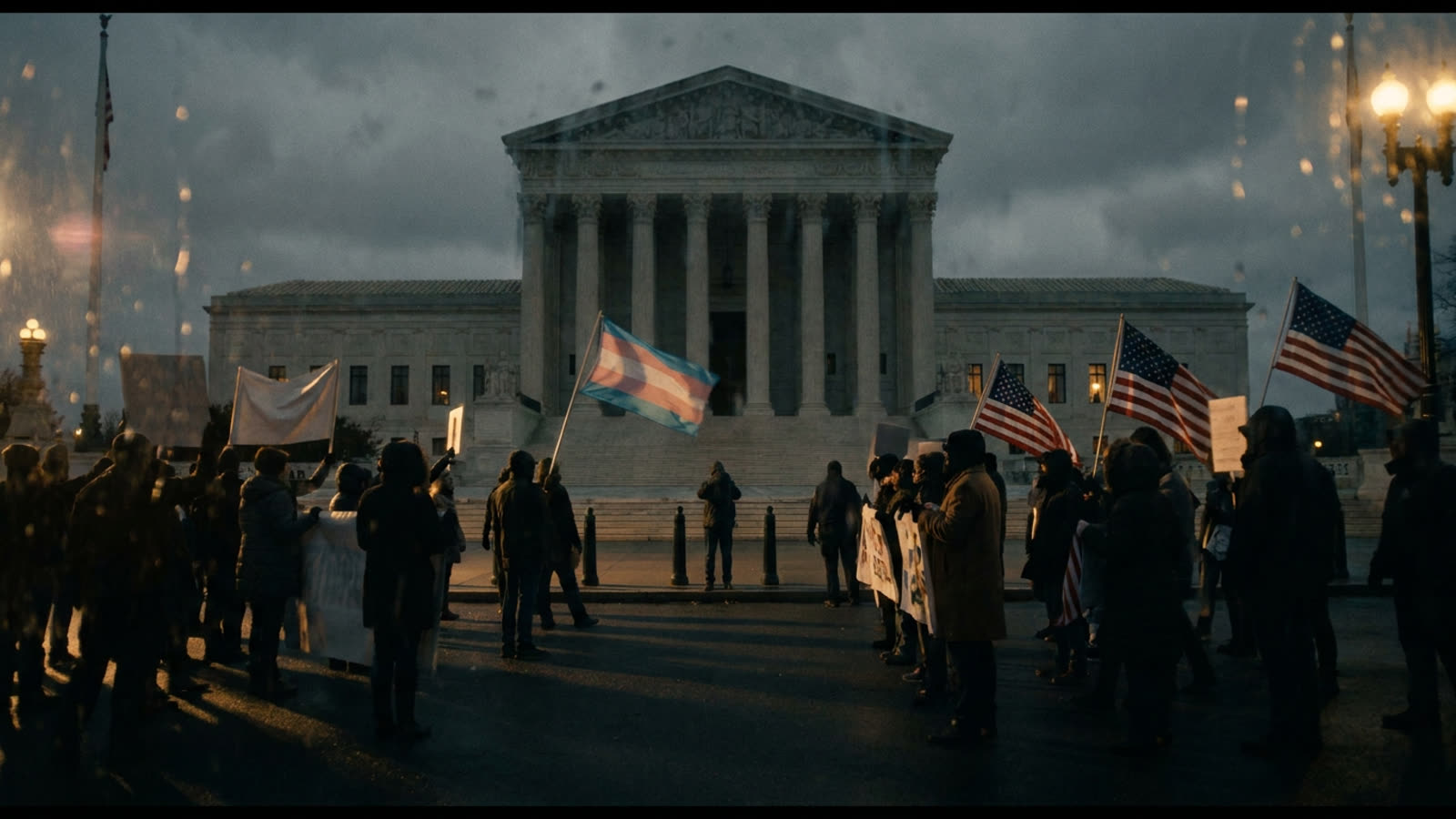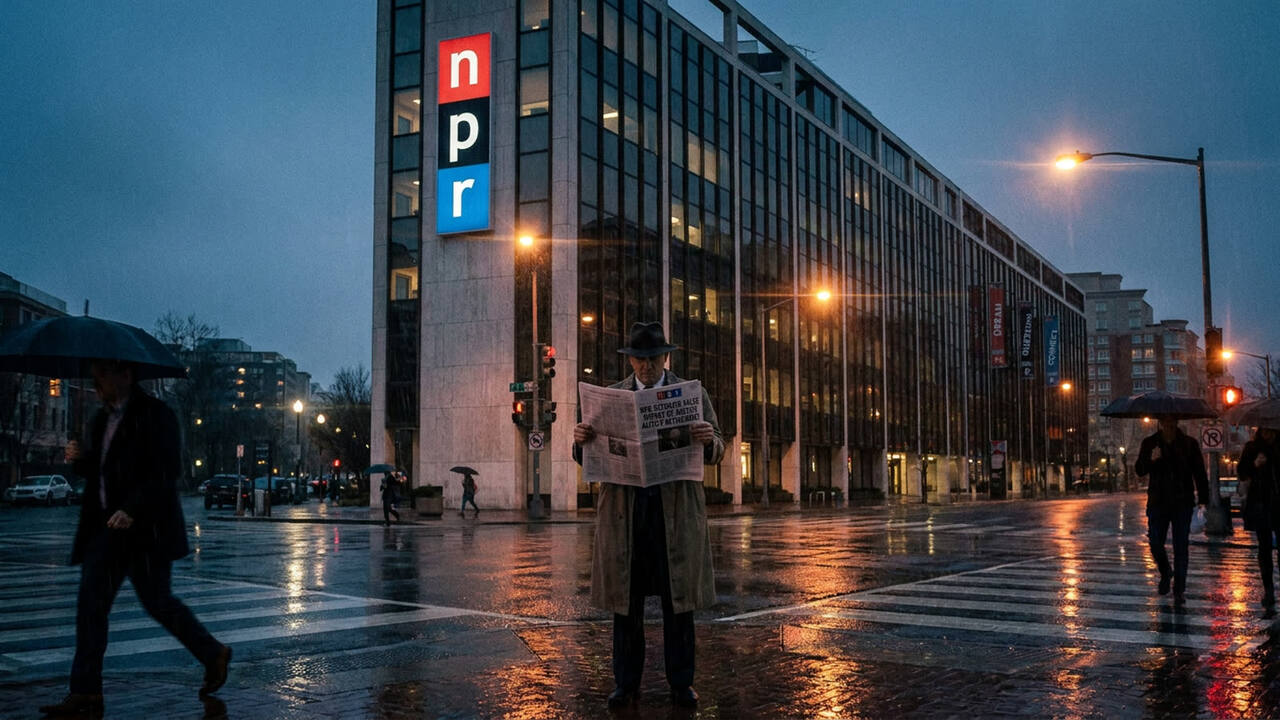
On a morning when the Supreme Court was handing down rulings on birthright citizenship, transgender athletes, and AR-15 regulations, NPR managed to make itself the story. The public radio network retracted a report claiming Justice Samuel Alito had announced his retirement—a report that was, to put it plainly, wrong.
The false story circulated for approximately forty minutes before NPR issued a correction, but in the age of screenshot journalism, that was more than enough time for the claim to propagate across social media, spark speculation about potential nominees, and generate thousands of shares. By the time the retraction appeared, the damage to NPR's credibility was already trending.
The anatomy of a newsroom failure
How does a major outlet publish something so consequential without verification? The answer likely lies in the peculiar pressures of Supreme Court coverage on decision days. The Court releases opinions in batches, often with little warning, and newsrooms compete fiercely to be first with analysis. In this environment, a misheard comment, a misread document, or an overeager editor can transform rumor into headline before the normal gatekeeping processes engage.
Alito, at 76, has been the subject of retirement speculation for years, particularly after controversies involving flags flown at his homes and his refusal to recuse himself from cases involving January 6th defendants. The story was plausible enough to bypass the skepticism that might have caught a more outlandish claim.
Why this matters beyond the embarrassment
NPR occupies a peculiar position in American media—publicly funded, ostensibly nonpartisan, and trusted by an educated audience that views itself as discerning. A retraction of this magnitude hands ammunition to critics who have long accused the network of liberal bias and sloppy journalism. It also arrives at a moment when trust in media institutions sits at historic lows.
The incident illustrates a broader dysfunction. News organizations have responded to declining revenues by cutting editorial staff while simultaneously demanding faster output across more platforms. The math does not work. Verification takes time, and time is precisely what the attention economy refuses to grant.
Our take
NPR will survive this, as institutions tend to survive individual failures. But the retraction should prompt uncomfortable conversations in newsrooms everywhere about what speed is actually worth. Being second with a correct story has never harmed a publication's long-term reputation. Being first with a false one has ended careers and, occasionally, outlets. The forty minutes NPR spent spreading misinformation about the Supreme Court will be remembered far longer than whatever scoop they were chasing.