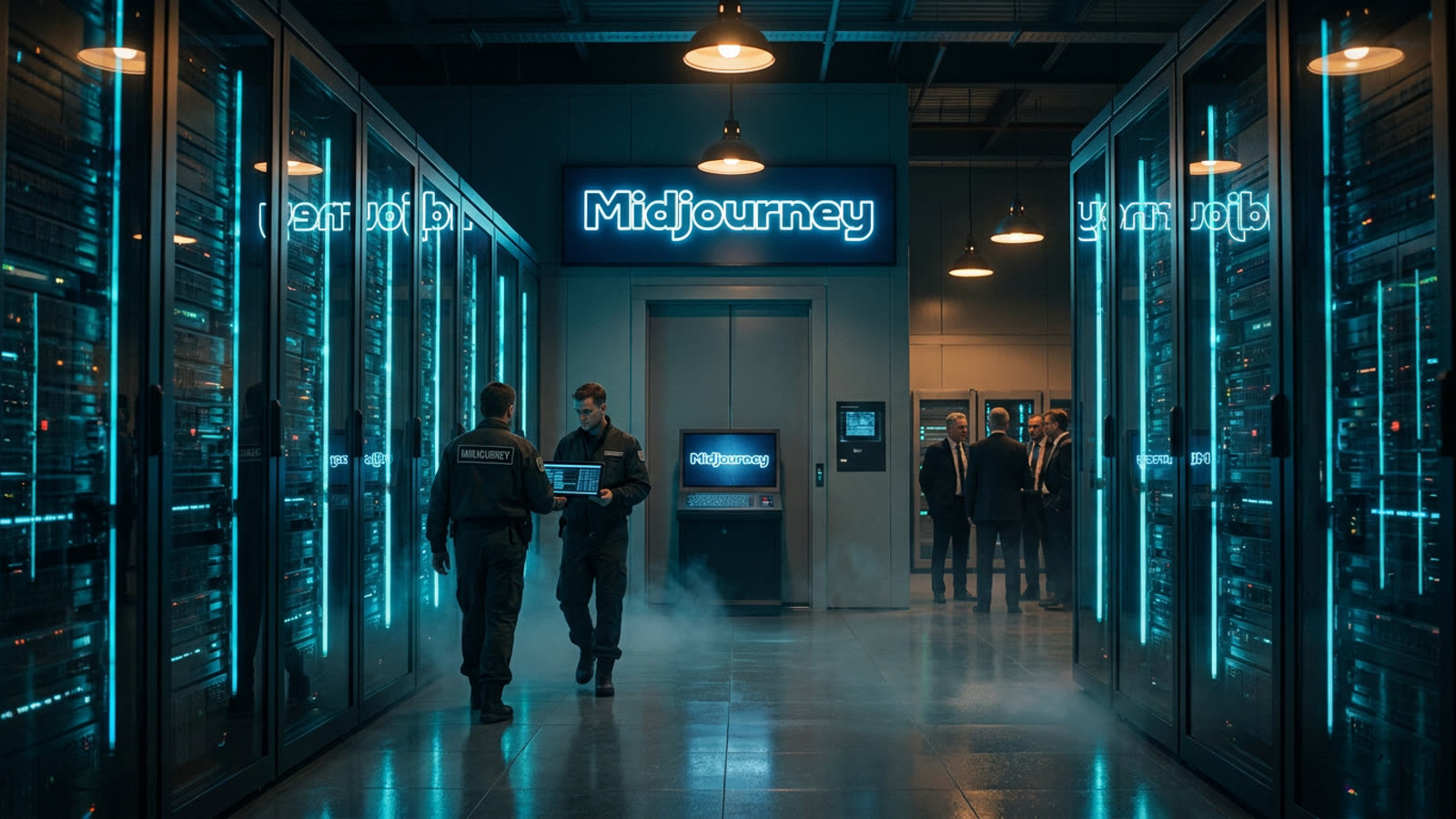
There is something almost poetic about Midjourney, the company that built a $10 billion valuation by training on the creative output of millions of artists without their consent, now demanding transparency from Hollywood about AI usage. The image generator has sent letters to major studios requesting detailed disclosures of how they employ generative AI in production — a move that reads less like principled advocacy than like a company positioning itself for the next phase of licensing negotiations.
The request arrives at a peculiar moment. Studios have spent two years quietly integrating AI tools into pre-visualization, concept art, and background generation, all while publicly minimizing their reliance on the technology to avoid antagonizing unions and talent. Midjourney, meanwhile, faces ongoing litigation from artists who argue the company strip-mined their portfolios to build its models. The mutual opacity has served both parties well — until now.
The transparency gambit
Midjourney's demand is strategically elegant. By framing disclosure as an industry-wide imperative, the company accomplishes several things simultaneously: it positions itself as a responsible actor relative to competitors, it gathers intelligence about how studios actually use AI (valuable for product development), and it creates pressure that could accelerate enterprise licensing deals. Studios that refuse to disclose look evasive; studios that comply hand Midjourney a roadmap to their workflows.
The timing also matters. With the Writers Guild and SAG-AFTRA contracts up for renegotiation in 2027, AI transparency has become a labor issue. Midjourney inserting itself into this conversation transforms a commercial dispute into something that sounds like worker advocacy — even though the company's own practices remain considerably less transparent than what it now demands of others.
Hollywood's quiet dependency
Industry insiders estimate that AI-generated imagery now appears in some capacity in roughly 60 percent of major studio productions, though precise figures remain deliberately obscure. The applications range from mundane (generating options for set decoration) to substantial (creating entire background environments that would have required physical construction or expensive CGI). Studios have largely avoided discussing this shift publicly, understanding that audiences and talent alike remain ambivalent about AI's role in creative work.
This silence has been comfortable for everyone involved. Studios save money without advertising it. AI companies collect licensing fees without publicizing which productions use their tools. Artists and technicians whose work has been displaced or diminished lack the information to quantify what they have lost. Midjourney's transparency push threatens to illuminate a system that has thrived in shadow.
Our take
Midjourney's demand is not hypocritical so much as it is clarifying. The company is not suddenly converted to the cause of transparency; it is recognizing that the rules of engagement are shifting and positioning itself accordingly. When you have spent years operating without meaningful disclosure, demanding disclosure from others is not an ethical awakening — it is a negotiating tactic. Hollywood will likely respond with carefully worded non-answers, and both sides will continue operating in the productive ambiguity they have cultivated. The artists whose work trained these systems, and the technicians whose jobs these tools threaten, remain the only parties genuinely interested in transparency. Everyone else is just managing their exposure.