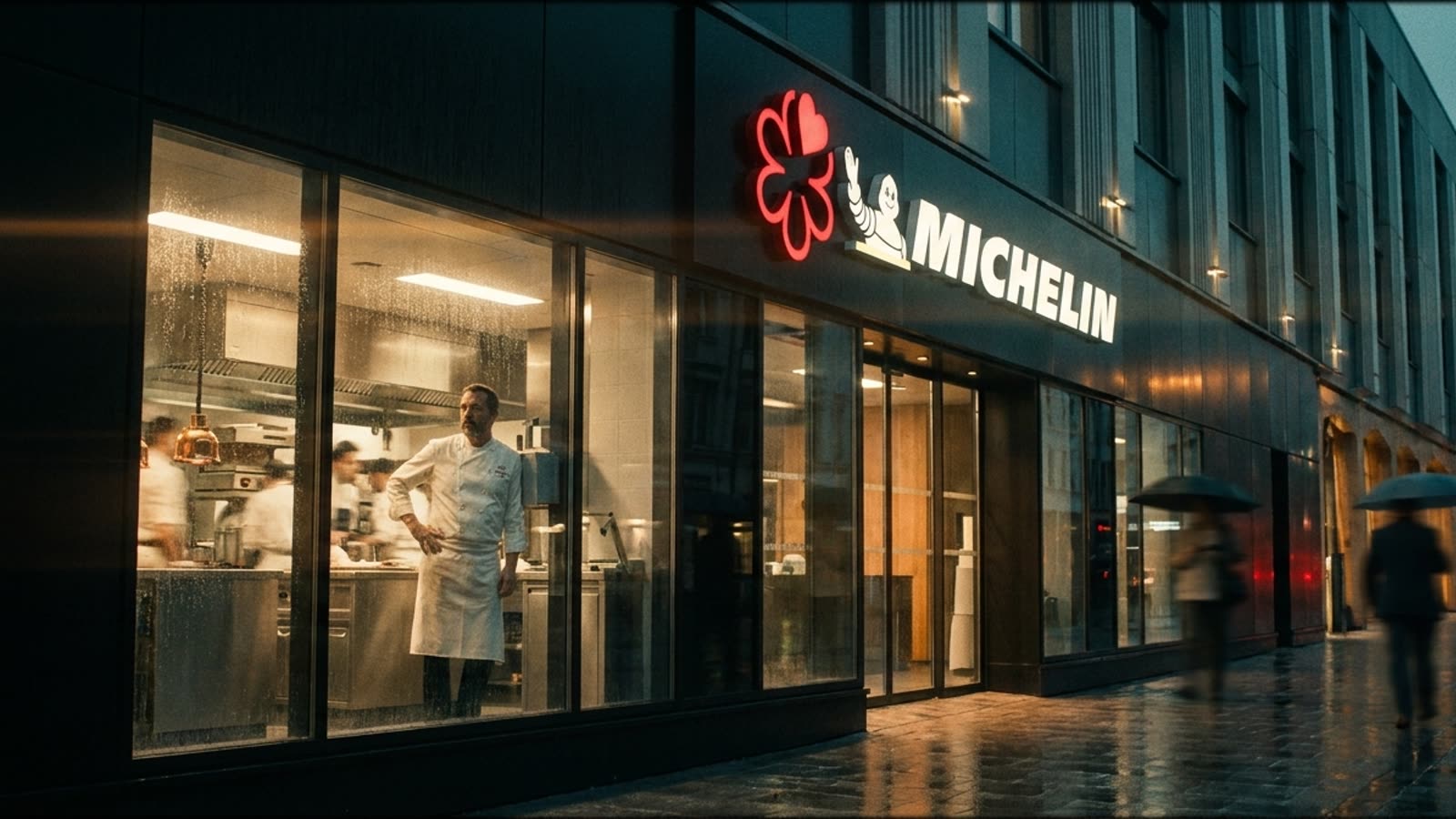
The call from Michelin comes without warning. A chef learns their restaurant has been awarded a star—or two, or three—and within hours, reservations flood in, journalists request interviews, and the dining room fills with pilgrims willing to pay whatever it costs to taste greatness. It sounds like the beginning of a success story. More often, it is the beginning of the end.
The economics of starred dining are brutal by design. A Michelin star demands a certain theater: hand-polished silverware, flowers changed daily, a front-of-house staff trained to anticipate needs before guests articulate them. The ingredients must be impeccable, which means paying premium prices for produce that may arrive unusable. The labor is intensive—a single tasting menu might require dozens of hands across prep, service, and the elaborate choreography of plating. All of this for perhaps forty covers a night, at prices that seem extravagant to diners but barely cover costs.
The prestige trap
Restaurateurs speak of the "Michelin paradox": the star attracts customers who expect an experience the star itself makes nearly impossible to afford. Margins in fine dining hover in the low single digits even in good years. A starred restaurant in a major city might gross several million annually while netting almost nothing. The chef-owners who survive often do so by cross-subsidizing—opening casual concepts, consulting, writing cookbooks, appearing on television. The flagship becomes a loss leader for a personal brand.
This explains why so many chefs have famously returned their stars or closed acclaimed restaurants to open something simpler. The gesture reads as principled rejection of pretension, but the math is often more prosaic: they were hemorrhaging money and exhausted by the performance of excellence.
The labor question
Starred kitchens have historically relied on a pipeline of young cooks willing to work punishing hours for poverty wages in exchange for the credential of having staged at a famous house. That pipeline is narrowing. A generation of culinary school graduates watched their mentors burn out, divorce, develop substance problems, or simply go broke. The romance of the brigade system has dimmed. Restaurants that once received hundreds of applications now struggle to staff their stations.
Some operators have responded by raising wages and reducing hours, but the economics rarely pencil out without raising prices to levels that alienate even affluent guests. Others have simplified their formats—fewer courses, smaller teams, more casual service—effectively retreating from the starred model while keeping the food ambitious.
Our take
The Michelin system was designed for a different era, when fine dining was the province of expense accounts and aristocratic leisure. Today it persists as a curious anachronism: a guide that anoints restaurants with honors many cannot afford to accept. The stars still matter—to chefs' egos, to cities' tourism boards, to diners seeking validation for their taste. But the smartest operators increasingly treat them as a phase rather than a destination, something to earn, leverage, and eventually escape. The future of ambitious cooking may belong to those who never wanted the star in the first place.