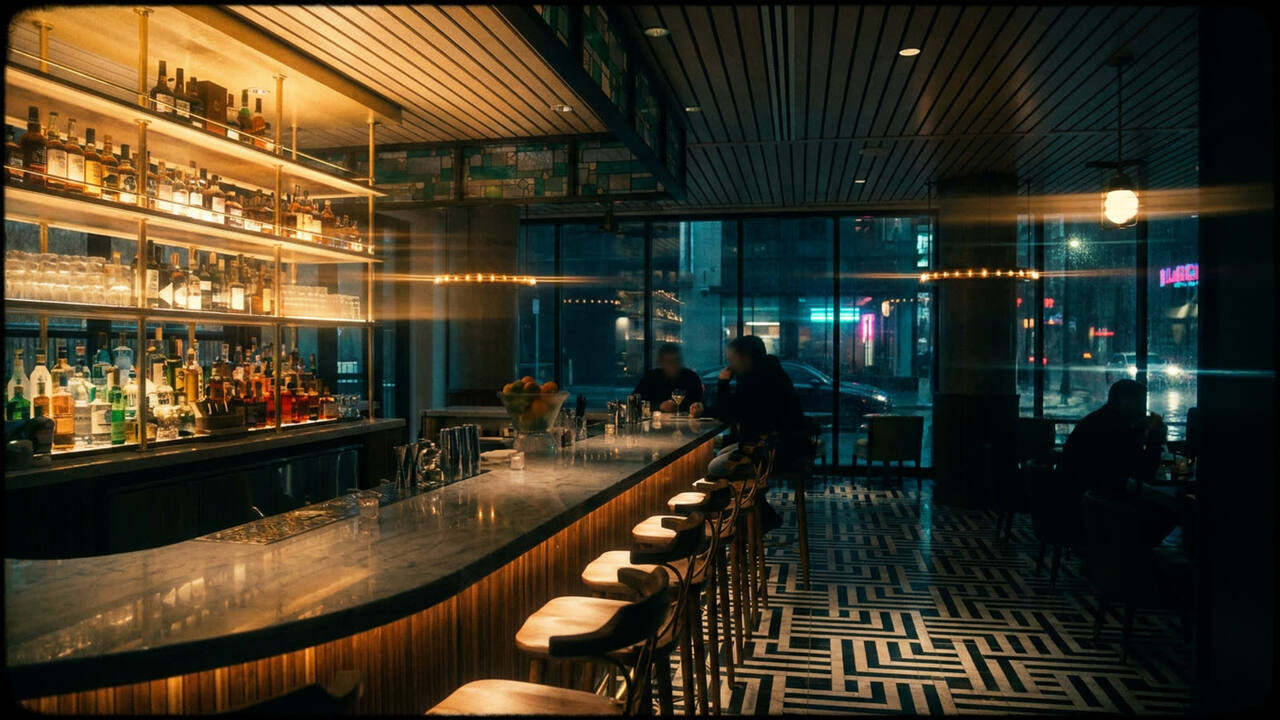
The nightclub that opened to breathless coverage three years ago is now a fast-casual restaurant. The speakeasy with the unmarked door has marked itself down to a sports bar. But the Bemelmans at the Carlyle still serves the same martini it did in 1947, and the wait for a banquette remains considerable.
This is the quiet triumph of the hotel bar: it has outlasted every format that was supposed to replace it. The mega-club, the bottle-service temple, the craft-cocktail den with the fourteen-ingredient menu—all have their moment and fade. The hotel bar, that seemingly anachronistic institution, keeps compounding interest.
The economics of permanence
Understanding why requires understanding what a hotel bar actually is, which is not primarily a bar at all. It is a loss leader for real estate. The Connaught in London does not need its bar to turn a profit per square foot; it needs the bar to justify room rates that assume guests are buying proximity to a certain world. This changes everything about how the space operates.
A standalone bar must chase the crowd, which means chasing trends, which means eventual irrelevance. A hotel bar must only avoid embarrassment. This is a much lower bar to clear, and paradoxically, it produces better bars. When you are not desperate to be current, you can afford to be good.
The great hotel bars figured this out decades ago. The American Bar at the Savoy does not compete with whatever molecular gastronomy concept opened in Shoreditch last month. It competes with the idea of itself, which is unbeatable. The drinks are correct. The room is correct. The piano is correct. What more could you want?
The theater of belonging
What you want, it turns out, is to feel like you belong somewhere without having to prove it. This is the hotel bar's secret weapon. A members' club requires membership. A hot restaurant requires a reservation you cannot get. A hotel bar requires only the willingness to sit down and order.
This is democratic in theory and plutocratic in practice—the drinks cost enough to filter the crowd—but it feels egalitarian, which matters more. You are not being evaluated. You are not performing for a door person. You are simply a guest, and the hospitality industry's entire apparatus exists to make guests feel welcome.
The best hotel bars exploit this ruthlessly. The Polo Lounge at the Beverly Hills Hotel is a place where deals happen precisely because everyone present has already cleared the implicit financial threshold. No one is there to be seen; everyone is there to see. The room becomes a stage where the audience is also the cast.
The death of discovery
There is also the matter of what nightlife has become. The algorithmic city has made going out exhausting. Every bar is content for someone's social feed. Every restaurant has been reviewed into a set of expectations you must either confirm or deny. The spontaneity has been optimized away.
Hotel bars opt out of this entirely. They are not trying to trend. They do not need your post. The Bamboo Bar in Bangkok looks essentially as it did decades ago because looking different would be a betrayal of the premise. You go to a hotel bar to escape the tyranny of the new, and the hotel bar obliges by refusing to change.
Our take
The hotel bar's persistence is not nostalgia; it is strategy. In a culture addicted to novelty, the refusal to chase trends has become the most distinctive position available. The Bemelmans murals will outlast whatever immersive experience opens next month in Brooklyn, and everyone involved knows it. The hotel bar has discovered what luxury brands learned long ago: the most expensive thing you can sell is the promise that nothing will change.