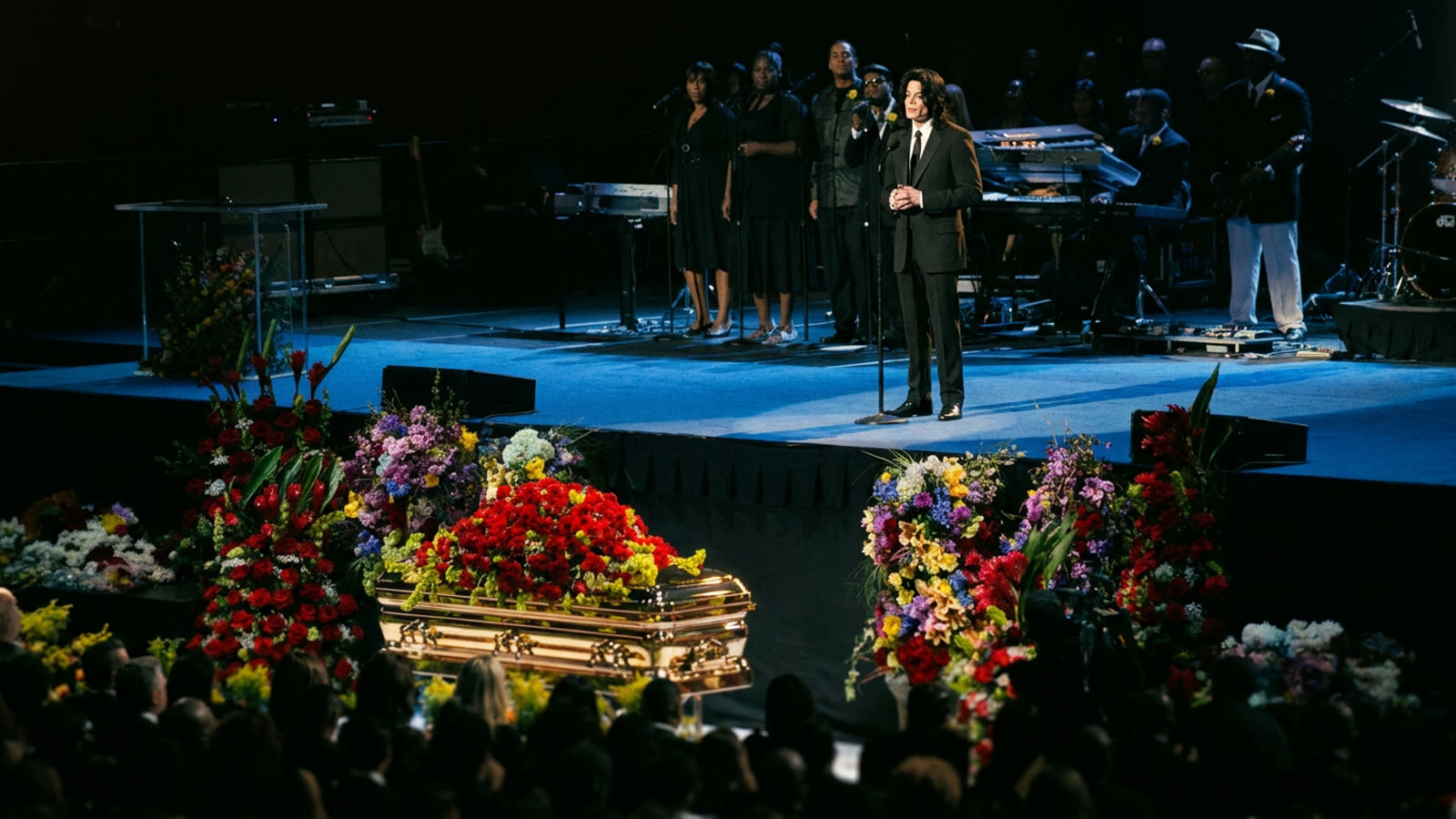
The machinery of Michael Jackson's posthumous career hums along with an efficiency that would have pleased the notoriously detail-obsessed entertainer. Seventeen years after he died in a rented Holmby Hills mansion, surrounded by the detritus of a life gone sideways, his estate has transformed tragedy into triumph — or at least into a very large pile of money.
The numbers are staggering. Since June 25, 2009, the estate has generated billions in revenue through a combination of catalog sales, licensing deals, a Broadway musical, a biopic in development, and the relentless monetization of every moonwalk, sequined glove, and falsetto shriek ever committed to tape. Jackson regularly ranks among the highest-earning dead celebrities, often outpacing living superstars who actually have to show up and perform.
The business of being gone
The estate's strategy has been remarkably consistent: treat the catalog as a blue-chip asset, be selective about partnerships, and let scarcity do the work. Unlike some celebrity estates that flood the market with dubious collaborations, Jackson's executors have maintained a certain discipline. The Broadway show "MJ" won a Tony. The forthcoming biopic from Antoine Fuqua, with Jackson's nephew Jaafar in the lead role, has generated genuine anticipation rather than eye-rolls.
This approach requires ignoring — or at least compartmentalizing — the allegations that shadowed Jackson's final decades. The estate has aggressively defended his reputation, settling some claims and fighting others, treating the accusations as a brand management problem rather than a moral reckoning. It is a strategy that works better in spreadsheets than in ethics seminars.
Memory as commodity
What does it mean to be a Michael Jackson fan in 2026? The question has no easy answer. The music remains undeniable — "Billie Jean" still clears dance floors, "Thriller" still soundtracks Halloween — but the man has become a hologram in more ways than one. He exists now primarily as intellectual property, a collection of rights and royalties administered by lawyers and accountants.
The estate's success reflects a broader truth about celebrity in the streaming age: the work outlasts the worker, and the work can be infinitely repurposed. Jackson's catalog has been remastered, repackaged, and re-released in formats he never imagined. His image appears in video games. His voice, presumably, will eventually be synthesized by AI and made to sing new songs, a prospect that raises questions nobody in the licensing department is eager to answer.
Our take
Michael Jackson's estate is a monument to the strange American genius for turning everything — talent, tragedy, even death — into a going concern. The executors have done their fiduciary duty admirably, maximizing value for the beneficiaries while keeping the brand surprisingly intact. But there is something melancholy about the whole enterprise, a reminder that the most successful posthumous career is still, at bottom, a story about someone who is not here anymore. The King of Pop is dead. Long live the revenue stream.