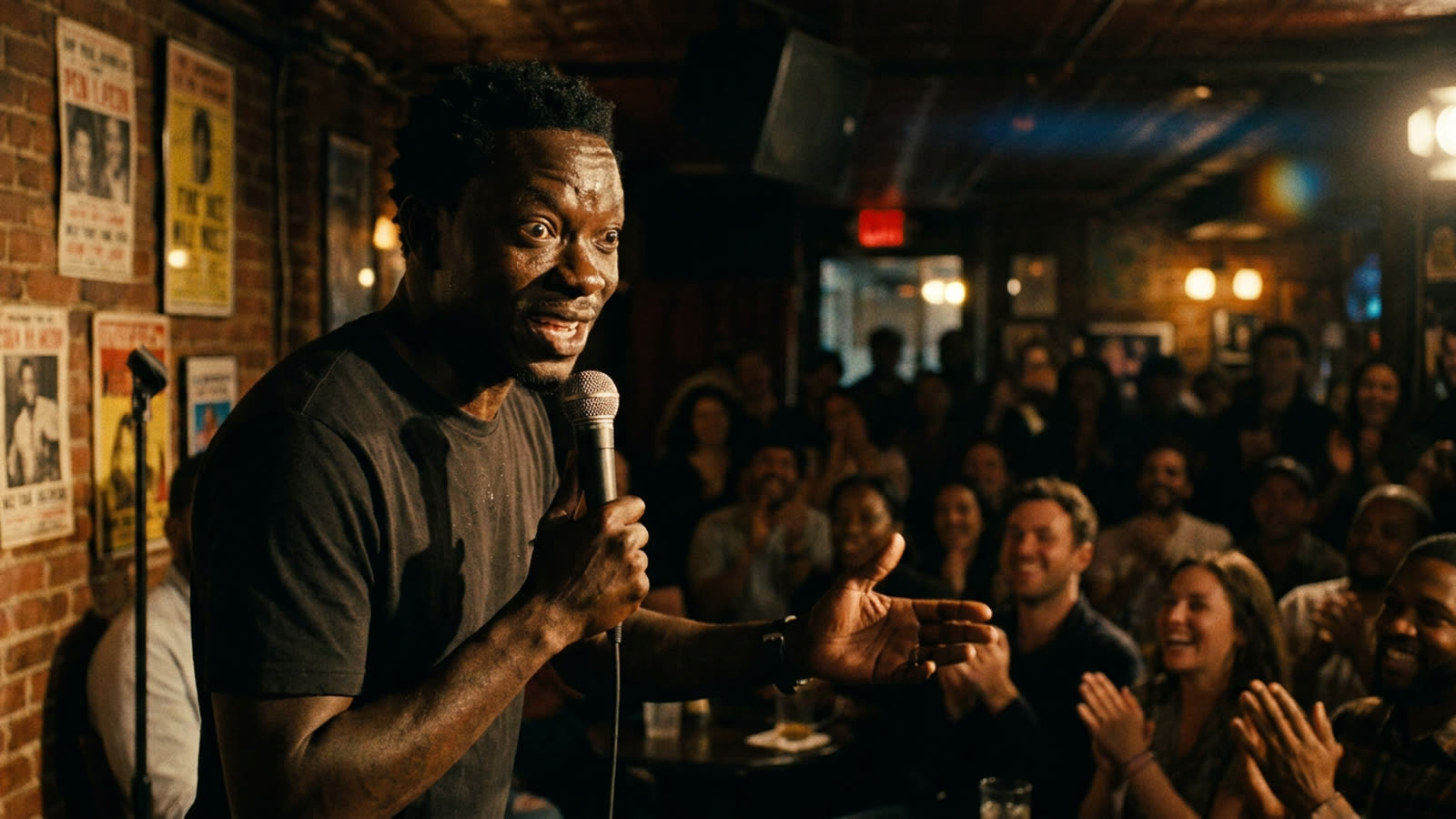
The Love & Hip Hop franchise, which once minted reality stars from the periphery of the music industry with assembly-line efficiency, is now recruiting from comedy clubs — a tacit admission that the drama-fueled format that defined 2010s reality television needs new blood to survive the streaming era.
Michael Blackson, the Ghanaian-American comedian known for his acerbic wit and scene-stealing turns in the Friday franchise, is joining the cast of Love & Hip Hop, marking a notable departure for a series that built its brand on aspiring rappers, their romantic entanglements, and the producers who enabled both. Blackson brings neither a mixtape nor a record deal, but rather a comedy career spanning two decades and a social media following that dwarfs many of the show's traditional cast members.
The franchise's identity crisis
Love & Hip Hop debuted in 2011, when the music industry still operated on recognizable hierarchies and reality television could manufacture genuine celebrity. The show's genius was finding people adjacent to fame — the girlfriends, the managers, the unsigned artists — and giving them a platform to become famous in their own right. Cardi B's trajectory from stripper to Love & Hip Hop cast member to Grammy winner remains the franchise's greatest success story, but it also represents an unrepeatable lightning strike.
The problem facing producers now is structural: the music industry that Love & Hip Hop documented has fragmented beyond recognition. SoundCloud rappers become stars without industry connections. TikTok can launch a career faster than any reality show. The aspiring artists who once needed VH1's platform now have alternatives, leaving the franchise fishing in a smaller pond.
Why comedians make sense
Blackson's casting reflects a broader trend in reality television toward personality-driven content that transcends any single industry. Comedians bring built-in audiences, social media fluency, and — crucially — the ability to generate quotable moments without producer manipulation. They understand timing, conflict escalation, and the art of the memorable exit line.
The risk is tonal whiplash. Love & Hip Hop's emotional beats depend on audiences believing the stakes are real, that relationships genuinely hang in the balance. A professional comedian, trained to find the absurdity in every situation, might undermine the earnestness the format requires. Then again, perhaps earnestness is precisely what the franchise needs to shed.
Our take
This casting is either a desperate grab for relevance or a shrewd acknowledgment that reality television's future lies in entertainment value over authenticity theater. Probably both. Blackson is genuinely funny, which is more than can be said for most reality television personalities, and his presence might attract viewers who long ago aged out of caring about who's feuding with whom over studio time. Whether he can coexist with the franchise's melodramatic DNA is another question — but at this point, the experiment seems worth running.