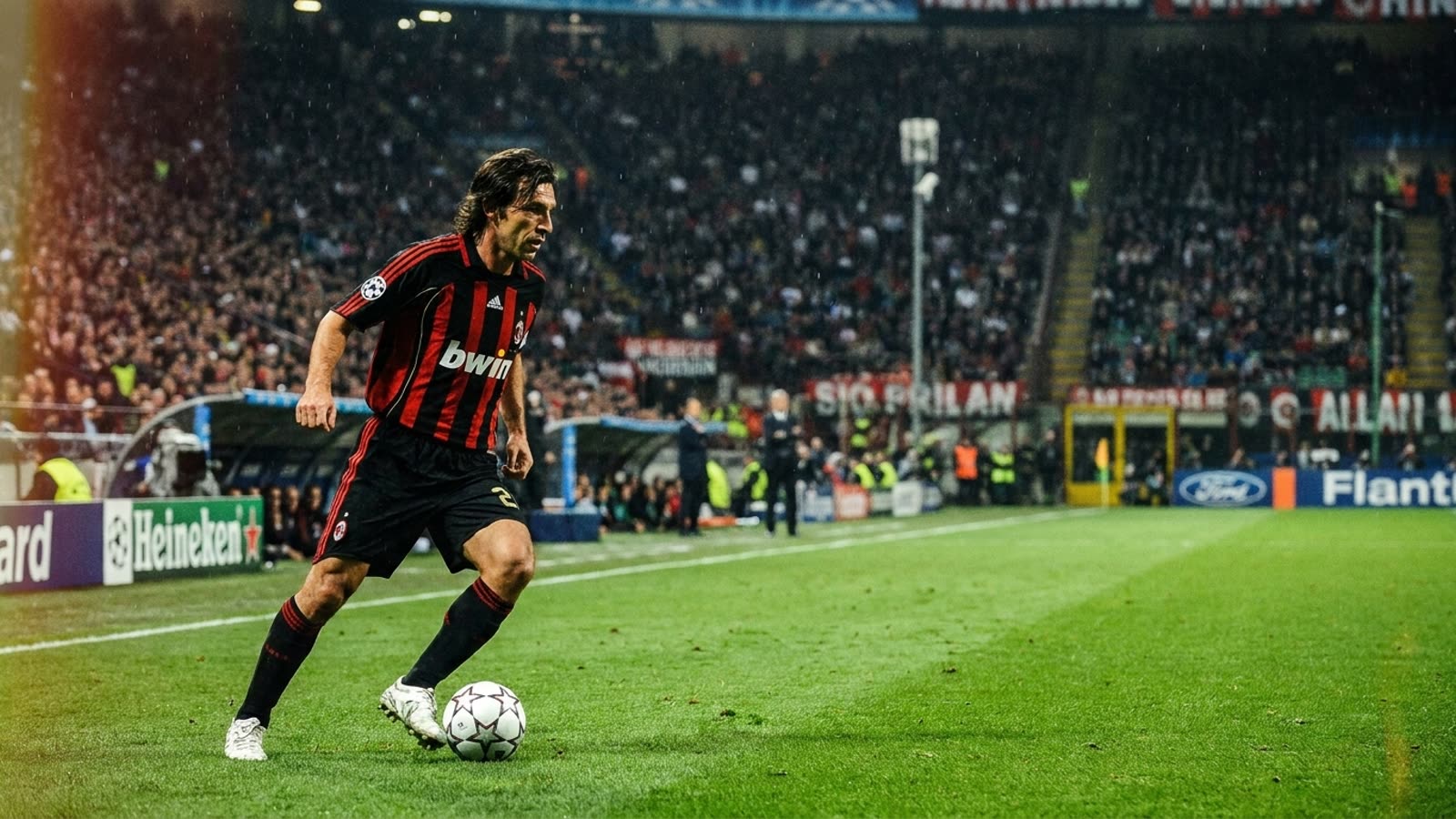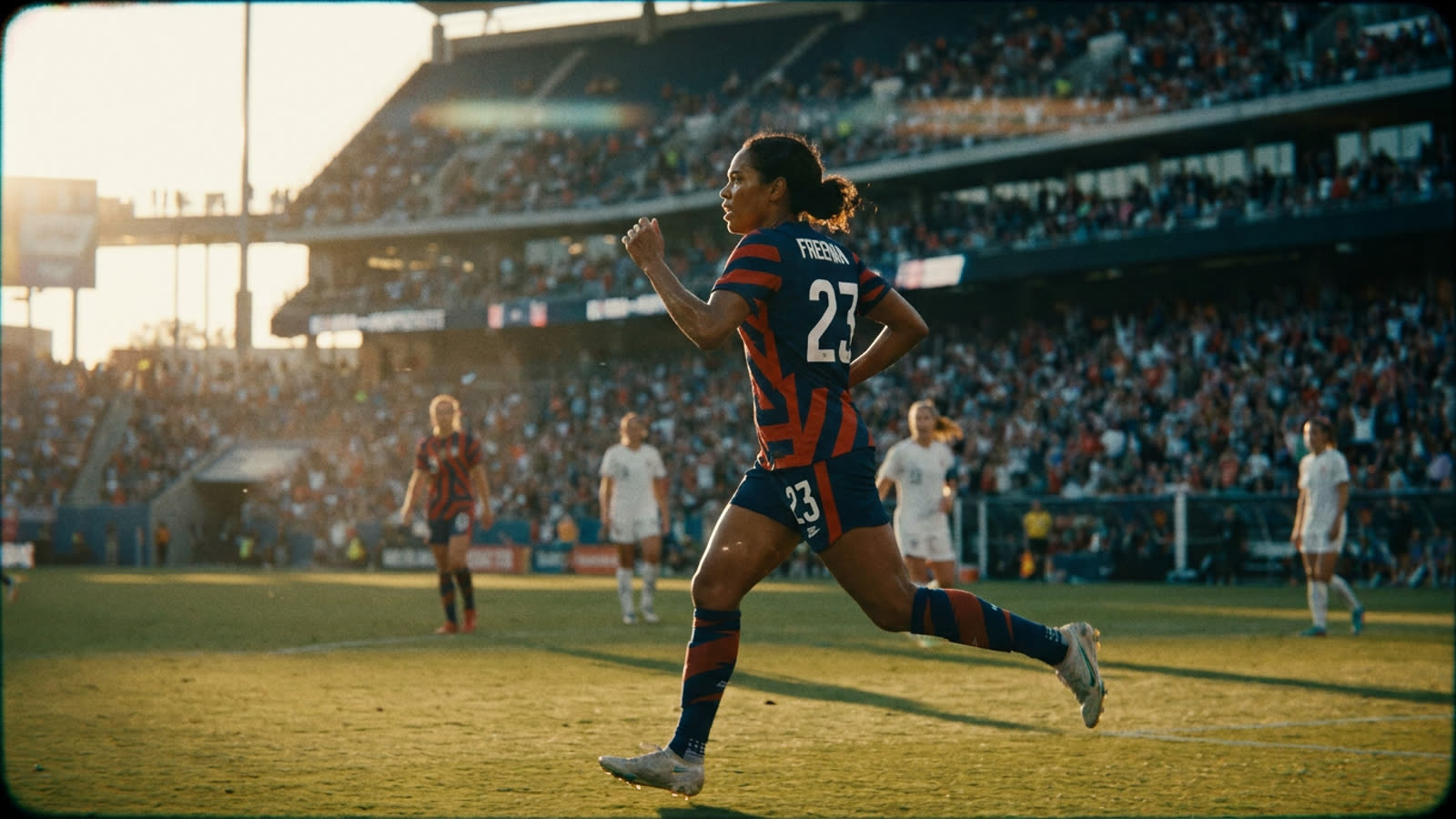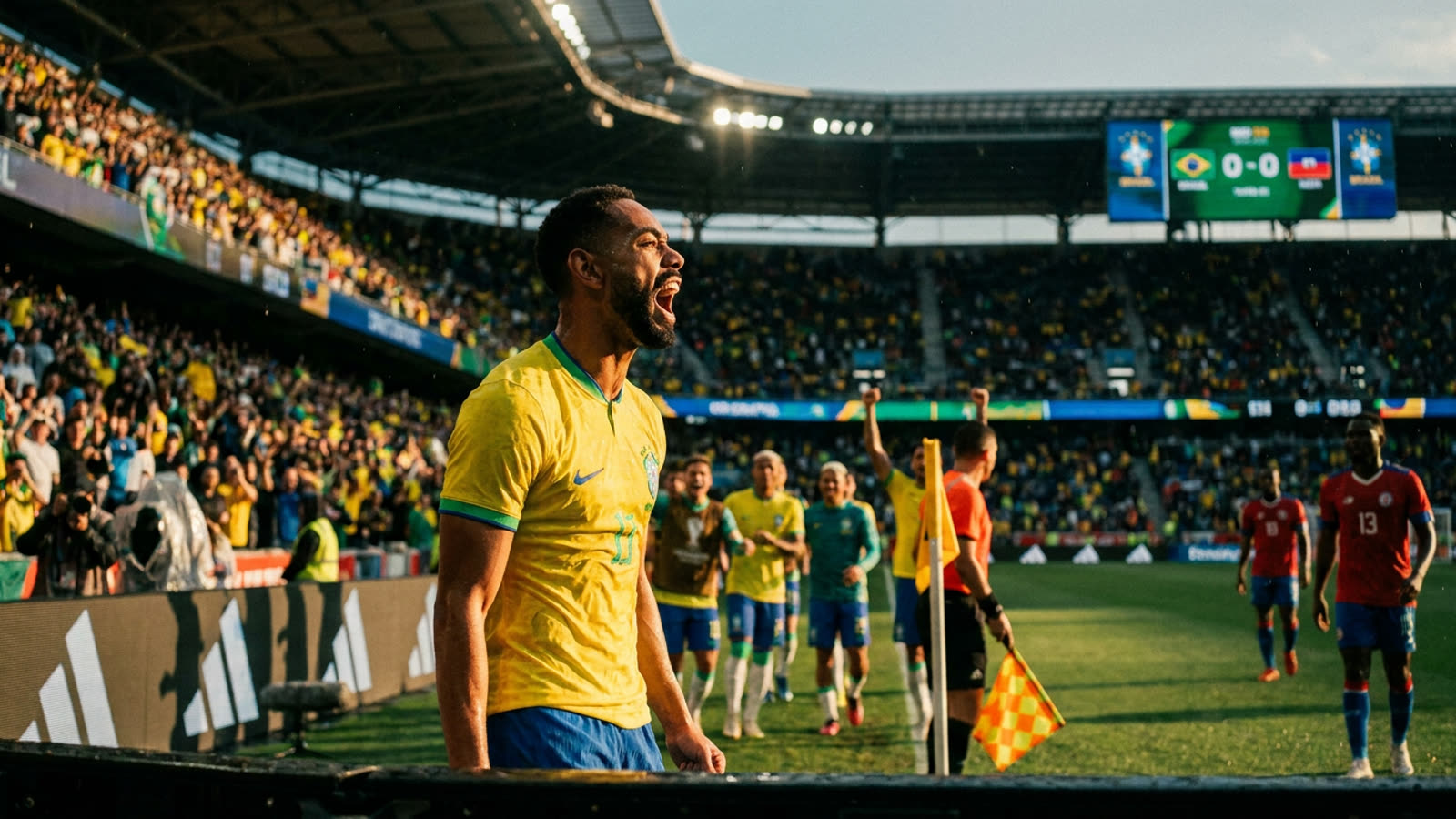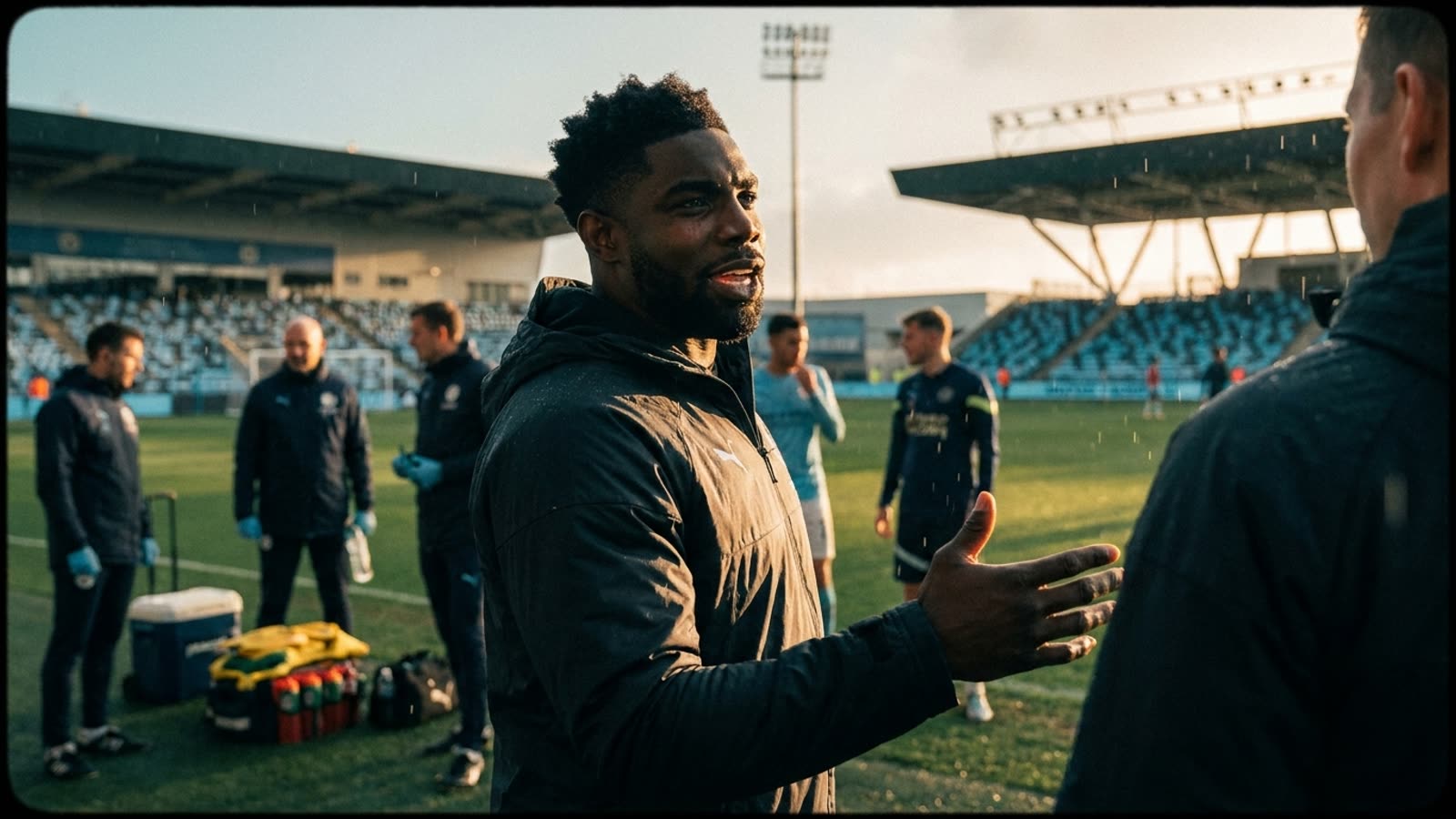
When a pundit with Premier League credentials declares that the United States winning the World Cup is "not ridiculous," the statement itself becomes news. Micah Richards, the former Manchester City and England defender now ubiquitous on British football coverage, has offered precisely that assessment — and the remarkable thing is how unremarkable it now sounds.
The USMNT advanced to the round of 32 with a dominant 2-0 victory over Australia, winning Group B with a performance that silenced the residual skeptics. The team that once relied on grit and home-field advantage has started playing football that looks, well, European. Controlled possession, intelligent pressing, clinical finishing. The sort of football that wins tournaments.
The credibility threshold
Richards is not some excitable American commentator caught up in host-nation fever. He spent a decade in English football's top flight, won the Premier League, and earned 13 caps for England. His analytical eye is calibrated to Champions League standards. When he says a team can compete, the assessment carries weight that domestic cheerleading cannot.
What Richards presumably sees is what neutral observers have noticed throughout the group stage: the Americans are no longer playing like a team hoping to survive. They're playing like a team expecting to advance. The psychological shift matters as much as the tactical one. Belief, in tournament football, is its own kind of skill.
The bracket reality
Of course, "not ridiculous" is not "likely." The United States would still need to navigate a bracket that could include Brazil, France, or Argentina — nations with generations of tournament pedigree. The Americans have never reached a World Cup semifinal. The gap between group-stage dominance and lifting the trophy remains vast.
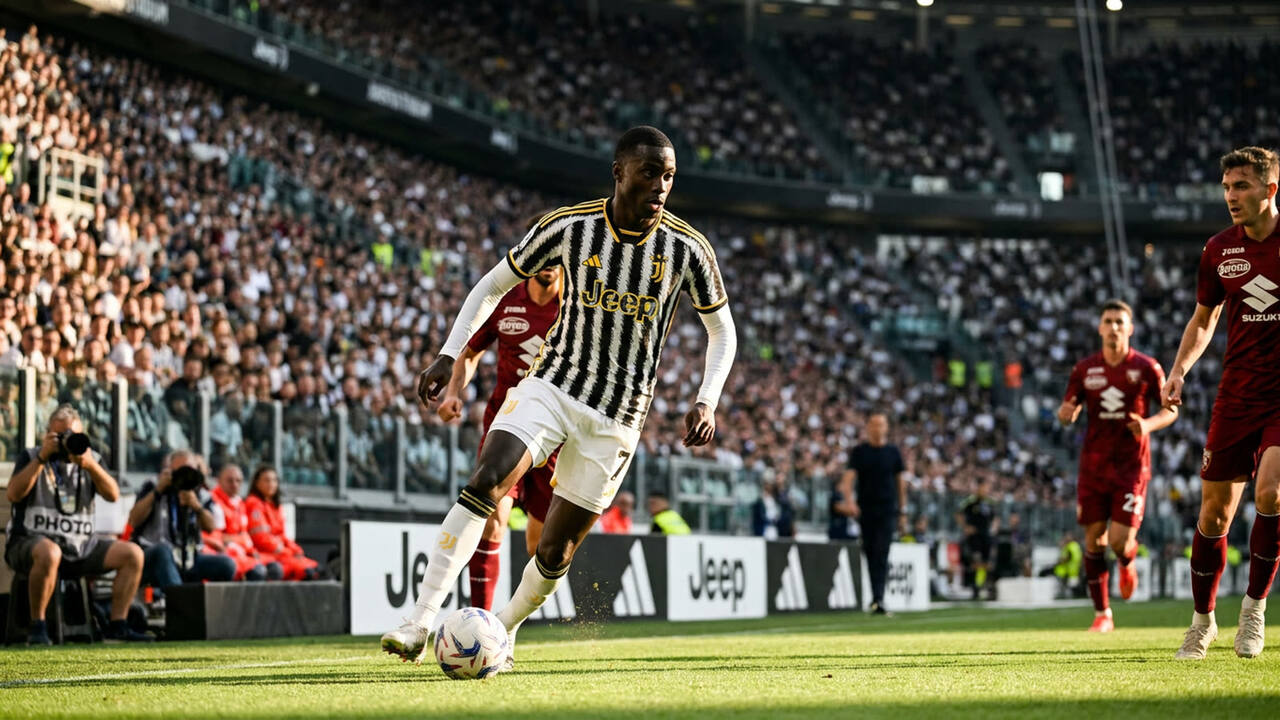
But the gap has narrowed. This is a squad with players at Liverpool, Chelsea, and Juventus. The era when American football meant MLS journeymen and the occasional Bundesliga curiosity is over. The talent pipeline now feeds directly into Europe's elite leagues, and it shows.
Our take
Richards is doing what good pundits do: adjusting his priors based on evidence. The United States entered this tournament as sentimental hosts; they've played their way into legitimate contention. Whether they can sustain it through the knockout rounds is unknowable. But the fact that a respected European voice can say "not ridiculous" without being laughed off the set tells you everything about how far American football has traveled. The dream is no longer delusional. It's just improbable. And in tournament football, improbable happens.