When Mexico agreed to co-host the 2026 World Cup alongside the United States and Canada, officials promised the tournament would showcase the country's organizational prowess and economic ambition. Instead, the first major domestic policy adjustment has parents questioning whether their government values football more than their children's futures.
The Mexican federal government announced this week that the national school year could conclude on June 5—roughly four weeks ahead of schedule—to accommodate the logistical demands of hosting World Cup matches. The tournament kicks off on June 11, with Mexico City's Estadio Azteca slated to host the opening ceremony and several high-profile fixtures. Officials cited transportation disruptions, security concerns, and the need to repurpose school facilities as justifications for the truncated academic calendar.
The parent backlash
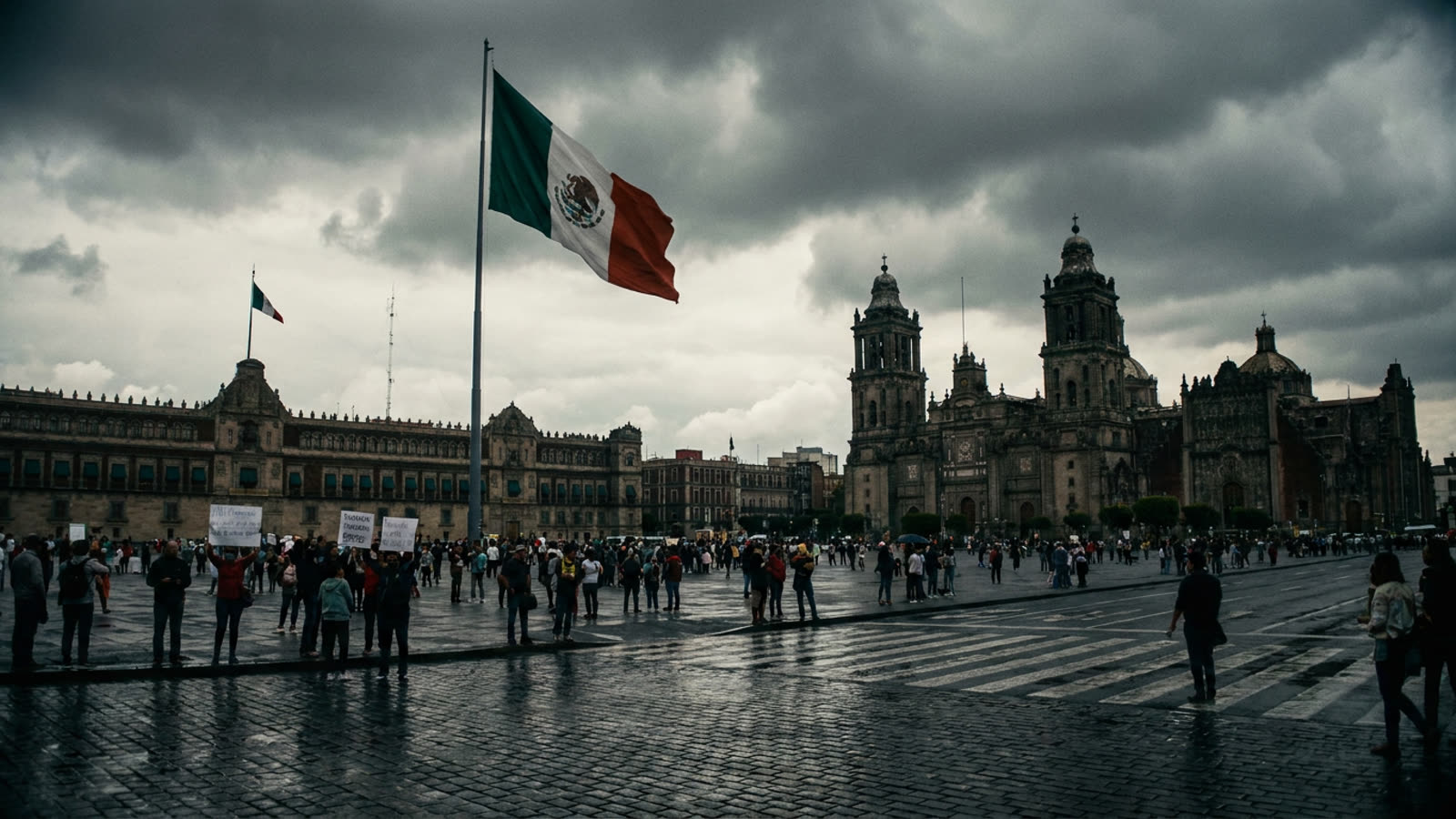
The response has been swift and scathing. Parent associations across the country have organized protests, flooding social media with the hashtag #MisHijosNoSonGoles ("My children are not goals"). Critics argue that the decision disproportionately affects working-class families who rely on schools for childcare and structured learning environments. Private schools, which operate on independent calendars, face no such mandate—creating a two-tiered system that amplifies existing educational inequalities.
Mexico already struggles with educational outcomes. According to OECD data, the country ranks near the bottom of member nations in reading, mathematics, and science proficiency. Losing four weeks of instruction—approximately 8% of the academic year—will compound these deficits, particularly for students in under-resourced public schools who lack access to tutoring or enrichment programs during the extended break.
The economic calculation
The government's calculus is nakedly transactional. Mexico expects the World Cup to generate billions in tourism revenue, infrastructure investment, and global brand enhancement. Ensuring smooth operations during the tournament's opening weeks is paramount to capturing that windfall. Schools near stadiums and fan zones would indeed face genuine disruptions from traffic, noise, and security cordons.
But the trade-off reveals uncomfortable priorities. Education spending in Mexico has declined as a share of GDP over the past decade, while the country has poured resources into stadium renovations and transportation upgrades for the tournament. The message, intentional or not, is that short-term economic spectacle trumps long-term human capital development.
Regional precedent
Mexico is not the first country to bend educational schedules around football. Brazil shortened school days during the 2014 World Cup, and Qatar adjusted academic calendars for 2022. But those decisions drew similar criticism and offered cautionary tales about prioritizing sporting events over institutional obligations. Mexico had the benefit of observing those controversies—and chose to repeat them anyway.
Our take
Hosting a World Cup is a legitimate national ambition, and logistical accommodations are inevitable. But ending the school year a month early is not a logistical accommodation—it is a policy choice that reveals what the government considers expendable. The children affected will not remember the tournament's opening ceremony. They will, however, carry the educational gaps forward for years. Mexico wanted the world to see its best face this summer. Instead, it is showing its priorities.