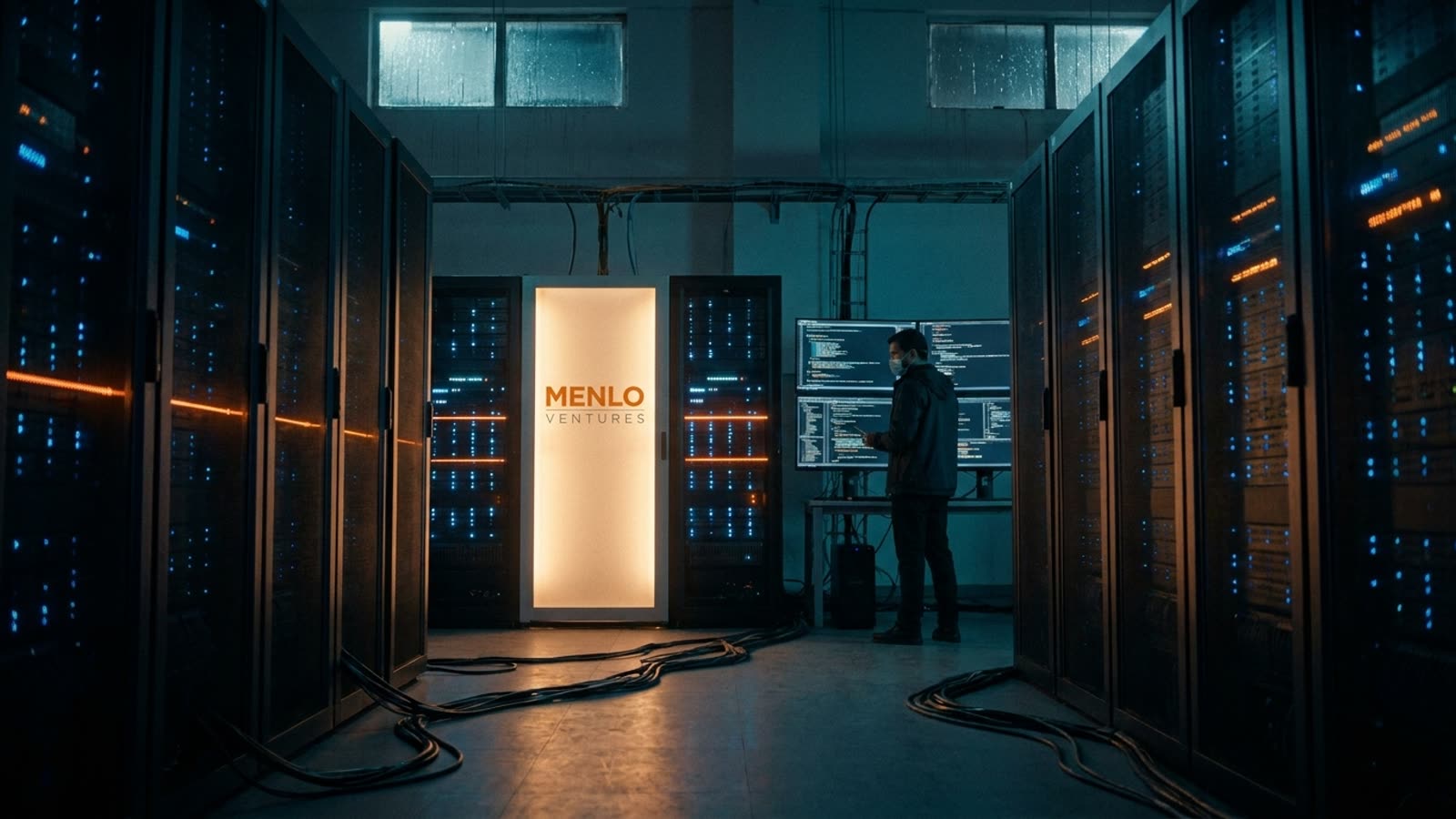
A venture capital firm that spent years in the respectable-but-unremarkable middle tier of Sand Hill Road has just closed one of the largest funds of 2026, and the reason can be spelled in nine letters: Anthropic.
Menlo Ventures announced this week that it has raised $3 billion for its latest flagship fund, a figure that places it among the elite handful of firms capable of writing nine-figure checks into late-stage AI companies. The fundraise was reportedly oversubscribed within weeks, with limited partners—pension funds, endowments, sovereign wealth vehicles—scrambling for allocation. The proximate cause of their enthusiasm is not complicated: Menlo's early and aggressive position in Anthropic, the San Francisco-based AI safety company behind Claude, has appreciated into one of the decade's defining venture bets.
The anatomy of a conviction bet
Menlo first invested in Anthropic during its 2021 seed round, then doubled down repeatedly as the company raised subsequent rounds at escalating valuations. By the time Anthropic closed its most recent financing—reportedly valuing the company north of $60 billion—Menlo's stake had become the kind of position that transforms a firm's trajectory. The fund's partners have been unusually candid about the concentration risk they accepted: at various points, Anthropic represented an outsize share of the portfolio's theoretical value, a structure that would have looked reckless had the company stumbled.
It did not stumble. Claude has emerged as the consensus second-place finisher in the foundation model race, behind OpenAI but credibly ahead of Google's Gemini in enterprise adoption. Anthropic's Constitutional AI approach and its reputation for safety-conscious development have made it the preferred vendor for regulated industries—finance, healthcare, government—where OpenAI's more aggressive deployment posture creates compliance headaches.
What the fundraise signals
The $3 billion figure is notable not just for its size but for its timing. Venture fundraising has been sluggish for two years, with many established firms struggling to close funds at their previous marks. Menlo's ability to raise at this scale suggests that LPs are willing to pay premium access fees to firms with demonstrated AI deal flow. The implicit bet is that the AI buildout has years to run and that the firms with existing relationships at Anthropic, OpenAI, and their peers will see the best opportunities.
There is a circularity here that should give observers pause. Menlo's new fund will almost certainly deploy significant capital into Anthropic's future rounds, further concentrating the firm's exposure to a single company's fortunes. If Anthropic reaches a successful public offering or strategic exit, Menlo's returns will be historic. If Anthropic's path to profitability proves longer than investors expect—or if the AI market consolidates around a competitor—the fund's vintage could disappoint.
Our take
Menlo's fundraise is a reminder that venture capital remains a game of outliers, and that conviction—bordering on recklessness—is often rewarded more than diversification. The firm bet the franchise on Anthropic and, so far, the bet is paying. But the $3 billion now flooding into Menlo's coffers is not a victory lap; it is a leveraged wager that the AI boom has room to run. The LPs writing those checks are not buying Menlo's judgment in the abstract. They are buying more Anthropic exposure, with a management fee attached.