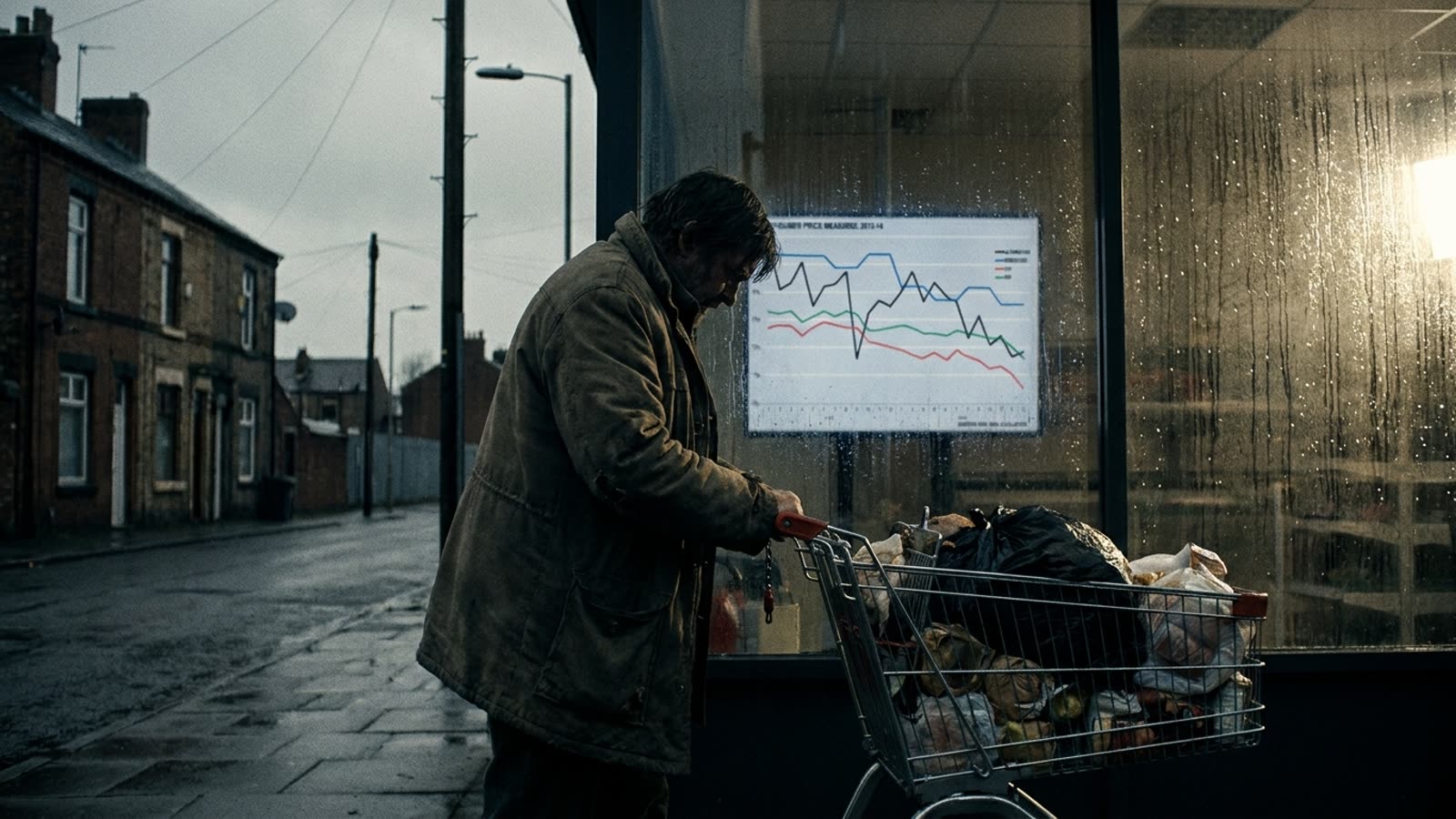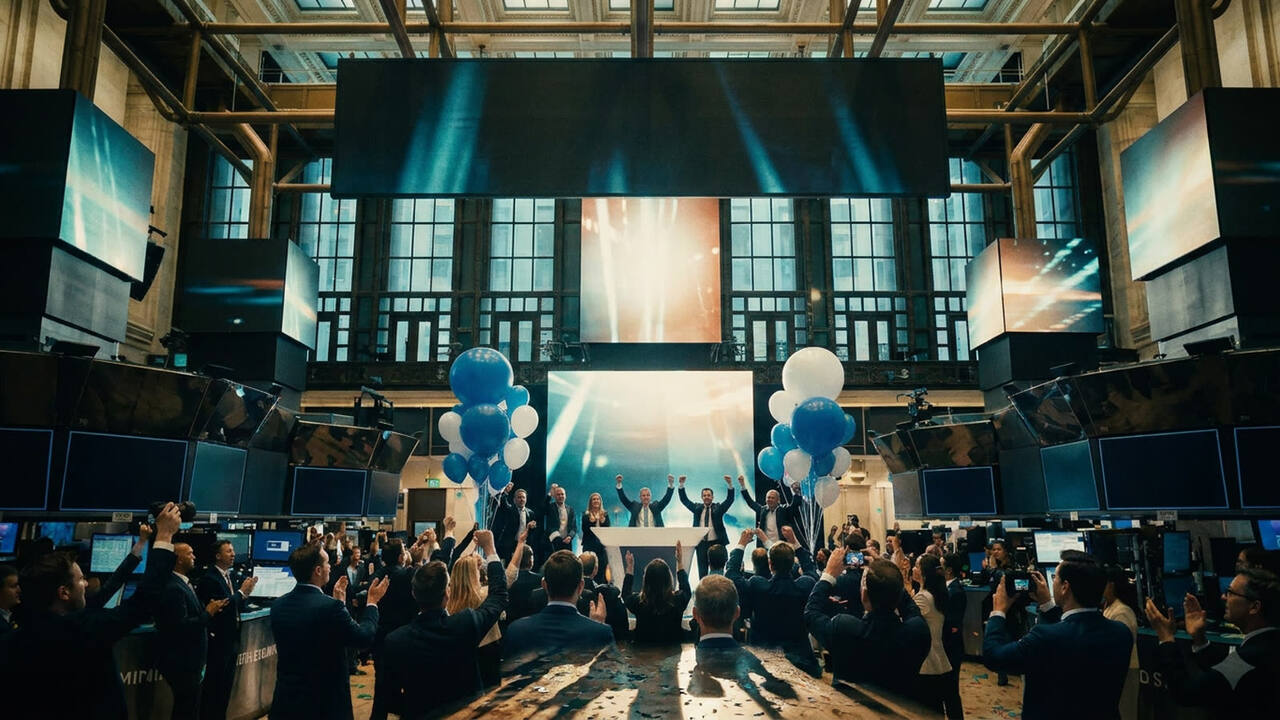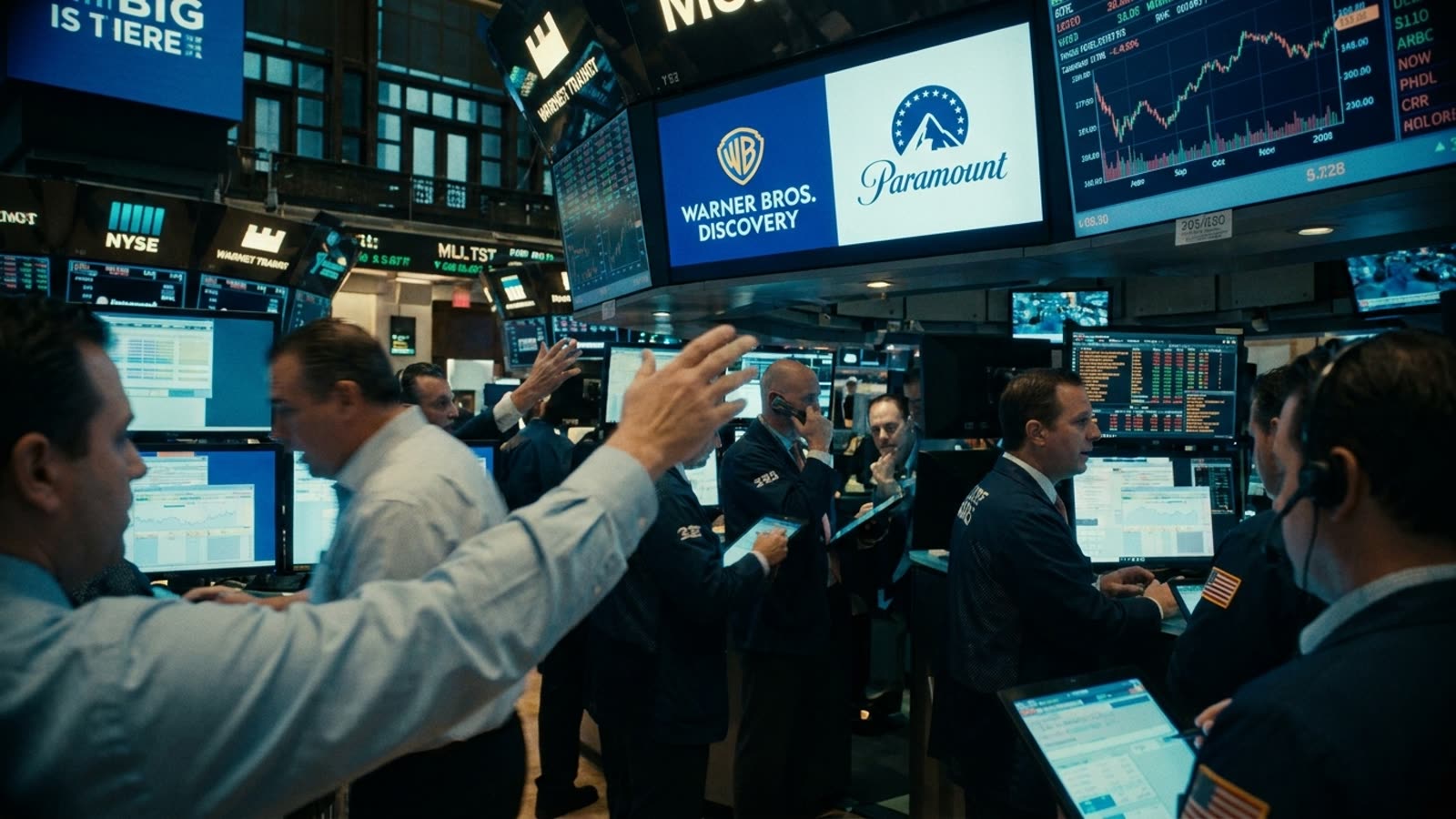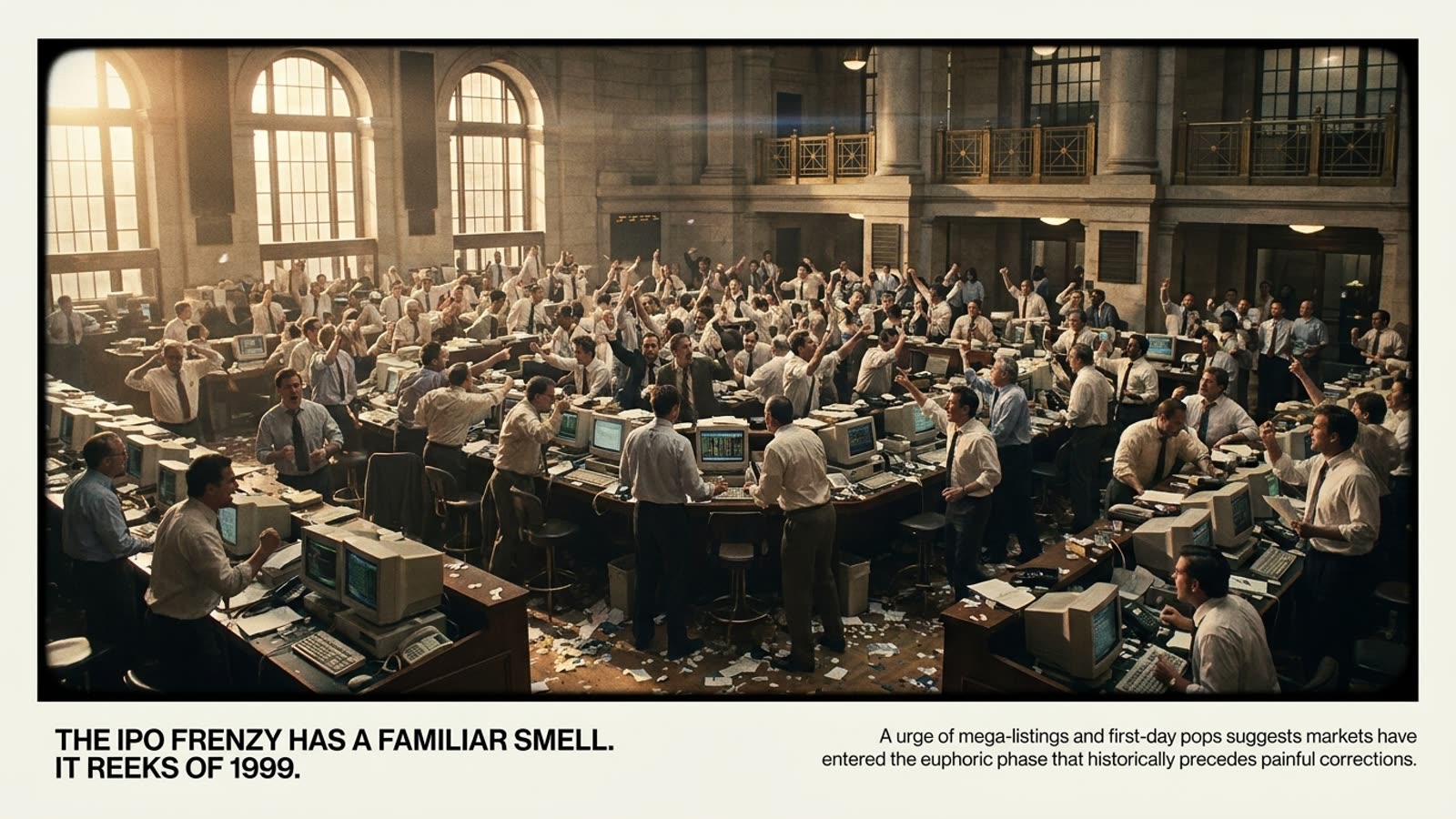
The warning signs are accumulating with the subtlety of a neon billboard. First-day pops exceeding 15 percent. Retail investors piling into offerings they barely understand. A general atmosphere suggesting that valuations are suggestions rather than constraints. We have seen this movie before, and it does not end with everyone getting rich.
The current IPO wave has produced the kind of numbers that make sober analysts reach for antacids. Companies are pricing aggressively and still watching their shares rocket higher on debut, a phenomenon that indicates either systematic underpricing or—more troublingly—a market so hungry for new paper that it will pay almost anything for the privilege of ownership. The latter interpretation carries uncomfortable implications.
The mechanics of euphoria
IPO frenzies follow a recognizable pattern. Early offerings perform well, attracting attention. Success breeds imitation, and suddenly every private company with a pitch deck is exploring "strategic alternatives." Investment banks, compensated on deal volume, are not inclined to counsel patience. The flywheel spins faster until it doesn't.
What distinguishes the current moment is the concentration of mega-deals. Rather than a broad-based enthusiasm for new listings, markets are fixated on a handful of enormous offerings that promise to reshape index weightings overnight. This creates a peculiar dynamic where passive investors—the index funds that now dominate markets—are forced buyers regardless of valuation, while active managers scramble to avoid benchmark-relative underperformance.
Historical rhymes
The late 1990s offer the obvious parallel, though participants in that mania at least had the excuse of encountering genuinely novel technology. The 2021 SPAC boom provides a more recent cautionary tale: hundreds of blank-check companies raised capital on promises that largely evaporated. Many of those vehicles now trade below their cash value, a mathematical rebuke to the optimism that spawned them.
Critics will note that today's mega-IPO candidates are real businesses with real revenue, unlike the dot-com phantasms of decades past. This is true and largely irrelevant. Bubbles do not require fraud or fantasy; they require only that prices become untethered from any reasonable expectation of future returns. Profitable companies can be overvalued just as easily as unprofitable ones.
The retail dimension
Particularly concerning is the renewed enthusiasm among individual investors, many of whom appear to view IPO allocations as lottery tickets rather than ownership stakes. Brokerage platforms have made participation frictionless, which is not the same as making it wise. The democratization of access to new issues sounds egalitarian until one considers that retail investors historically receive allocations in precisely the deals that institutions find least attractive.
Our take
Markets are noteli machines dispensing guaranteed returns to anyone who pulls the lever. The current IPO frenzy will mint some fortunes and destroy others, with the distribution depending heavily on timing and luck. Investors treating first-day pops as evidence of skill rather than market conditions are setting themselves up for an education. The music is playing loudly, but the chairs are already being removed.