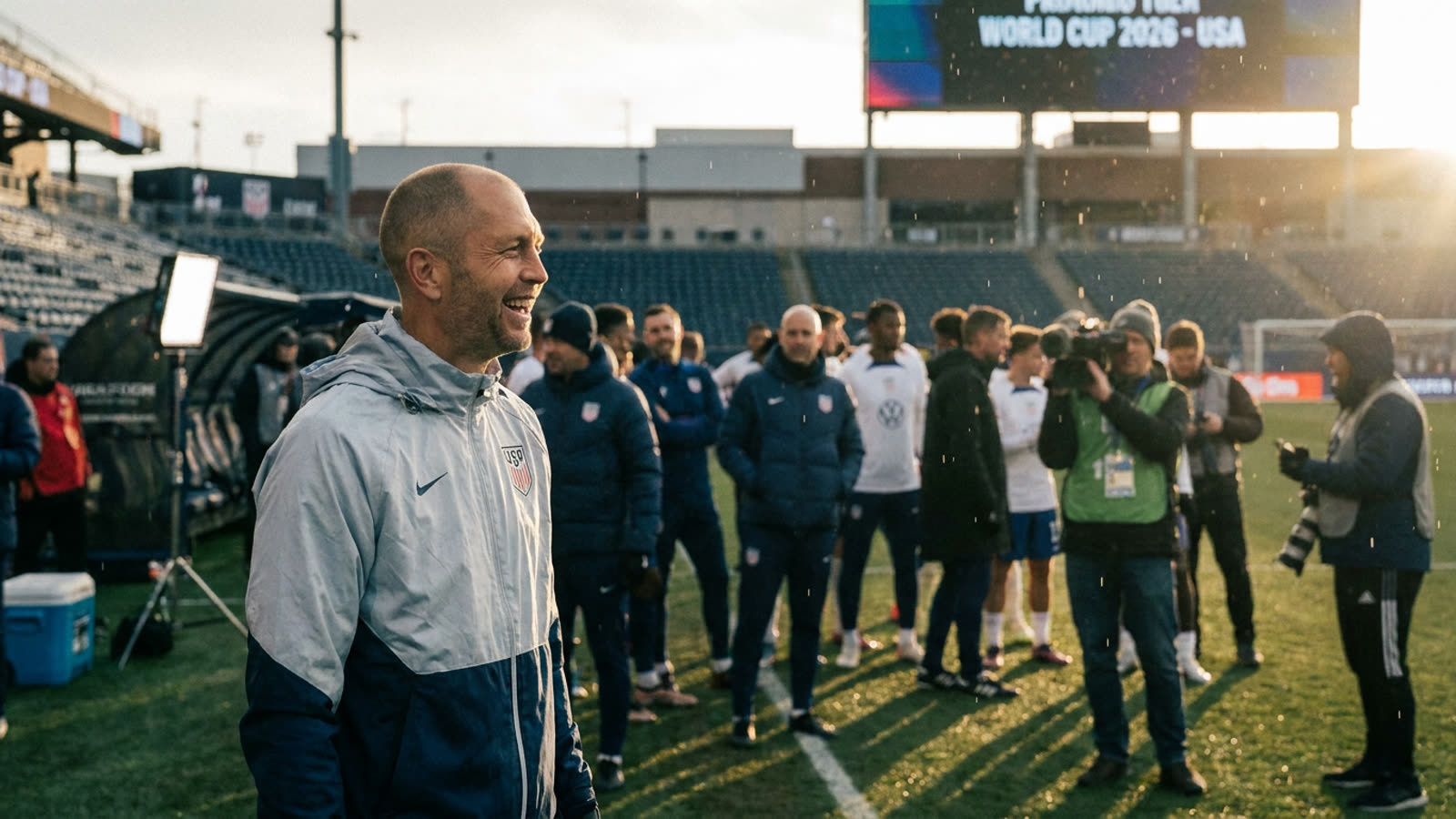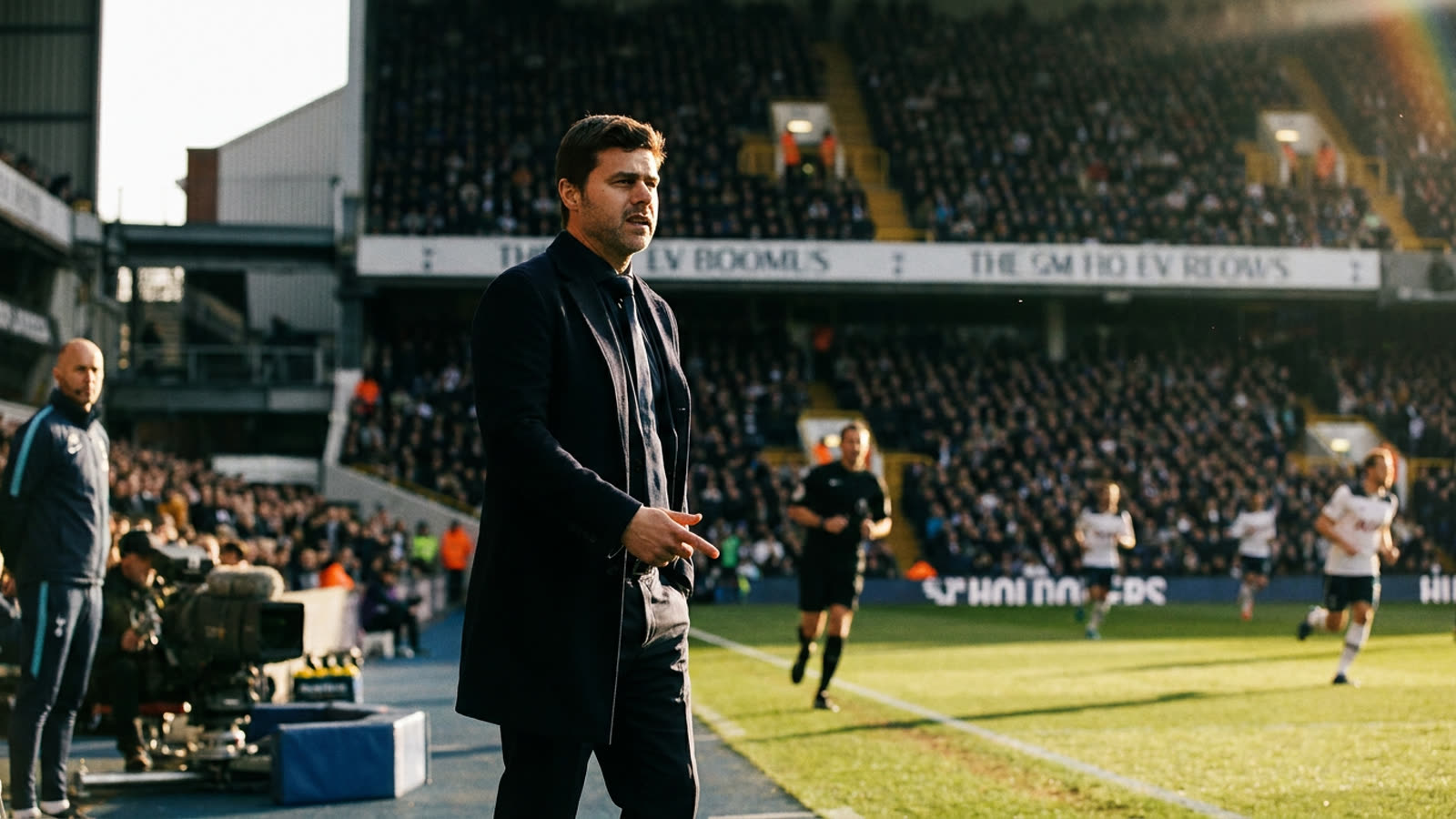
For months, Mauricio Pochettino has been answering the same question with diplomatic deflection: Is the United States ready to host a World Cup? Now, with the opening match against Morocco less than two weeks away, the USMNT coach has offered something closer to candor. He finally feels the excitement building—a tacit acknowledgment that, until recently, he did not.
The admission, made during a media session ahead of Sunday's friendly against Germany in Philadelphia, captures the strange tension of this tournament. The United States has spent years preparing infrastructure, stadiums, and broadcast deals. What it has not quite managed is the sustained national obsession that typically precedes a World Cup in host nations. Pochettino's comments suggest the tide may be turning, but the timing is uncomfortably close to kickoff.
A coach calibrating expectations
Pochettino arrived last year with a mandate to professionalize American soccer's mentality, not just its tactics. The former Tottenham and Paris Saint-Germain manager brought European rigor to a program that had oscillated between overconfidence and underachievement. His early months were marked by careful messaging—praising the talent pool while noting the developmental gaps that separate MLS academies from their European counterparts.
His latest remarks carry a different register. The excitement he now perceives is not manufactured enthusiasm from federation officials but something organic: packed training sessions, media attention that extends beyond the sports pages, and a palpable shift in how casual fans discuss the tournament. Whether this translates into the kind of home-field advantage that carried South Korea to the 2002 semifinals or France to 1998 glory remains uncertain.
The cultural lag problem
American soccer has long suffered from a peculiar affliction: institutional investment outpacing cultural buy-in. The sport has billions in broadcast revenue, gleaming training facilities, and a generation of players competing at elite European clubs. What it lacks is the ambient obsession—the assumption that everyone is watching, that the tournament is inescapable.
Pochettino's comments hint that this gap may be narrowing. The Germany friendly sold out within hours. Social media engagement around the squad has spiked. Corporate sponsors report merchandise sales exceeding projections. None of this guarantees deep tournament runs, but it suggests the host-nation effect is finally activating.
Our take
Pochettino's candor is refreshing and slightly alarming in equal measure. A coach admitting he only recently felt genuine excitement about a home World Cup is not the narrative U.S. Soccer would script. But authenticity may serve this team better than forced hype. The USMNT enters the tournament with modest expectations—advancement from the group stage would satisfy most analysts, a quarterfinal appearance would be celebrated as triumph. If Pochettino's late-blooming enthusiasm reflects broader American sentiment, this squad might benefit from a nation that discovers its passion in real time rather than exhausting it in advance.