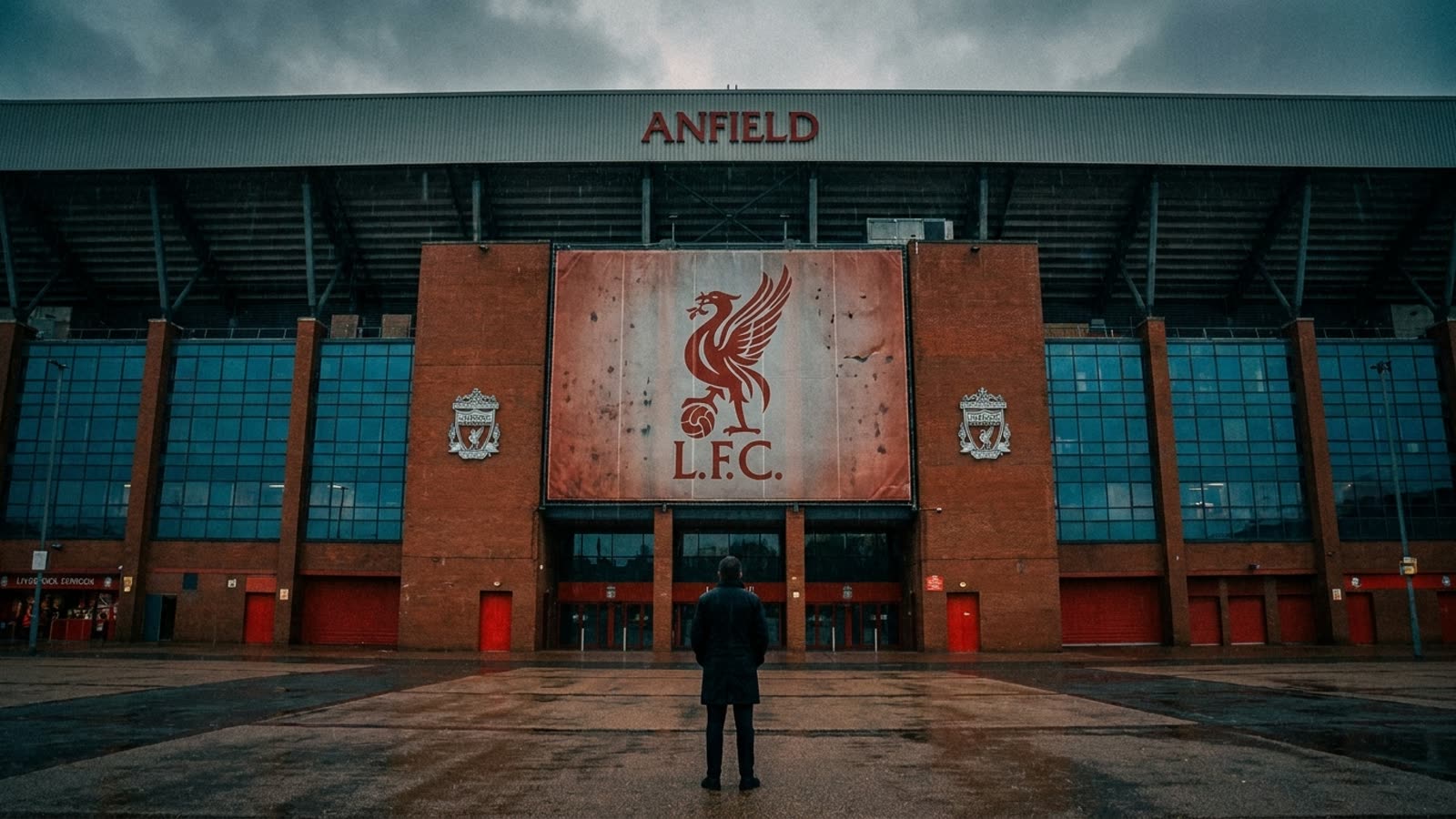
The numbers alone should have bought Liverpool a title challenge. Instead they have purchased confusion, inconsistency, and a creeping sense that Fenway Sports Group's post-Klopp spending spree mistook activity for strategy.
Since Arne Slot arrived at Anfield, Liverpool have invested heavily in the transfer market—big fees for marquee names, wages that signal ambition, the kind of outlay that once would have been unthinkable for a club that prided itself on shrewd, Moneyball-adjacent recruitment. Yet the returns have been dismal. Darwin Núñez remains a chaos agent whose finishing betrays his movement. Dominik Szoboszlai, signed to be the midfield's creative fulcrum, drifts through matches like a tourist. The defense has leaked goals at a rate unseen since the Hodgson era. Liverpool sit closer to mid-table than to the summit, and the vibes—that intangible currency Klopp traded in so masterfully—have curdled.
The scouting disconnect
Liverpool's recruitment under Michael Edwards and later Julian Ward earned a reputation for identifying players who fit a specific system: high-pressing, positionally fluid, mentally resilient. The post-Klopp era has abandoned that coherence. Slot inherited a squad built for gegenpressing and has attempted to graft a more possession-based philosophy onto it, but the new signings seem chosen for neither approach. Núñez was a Klopp pick who never suited Klopp's football; under Slot, he looks even more adrift. Szoboszlai arrived with highlights-reel tekkers but without the off-ball intensity Liverpool's midfield has always demanded. The disconnect between scouting, coaching, and ownership vision is now impossible to ignore.
The Salah question
Mohamed Salah remains Liverpool's most reliable attacker, which is both a blessing and an indictment. At thirty-four, he cannot carry the scoring burden indefinitely, yet the club's expensive reinforcements have failed to ease his load. Salah's contract situation—perpetually unresolved—hangs over every transfer discussion. If Liverpool cannot build a functional attack around him while he is still elite, what happens when he declines or departs? The answer, based on current evidence, is grim.
January as judgment day
Slot will reportedly be given funds in January, but spending more money is not the same as spending it wisely. Arsenal are circling Bayern's Kim Min-Jae; Manchester City are retooling their midfield; even Chelsea, for all their chaos, have stumbled into a coherent young core. Liverpool risk becoming the cautionary tale of the 2020s: a club that won everything under one manager and then forgot how it was done.
Our take
Liverpool's problem is not a lack of resources but a lack of identity. Klopp's departure created a vacuum that no amount of transfer spending can fill without a clear idea of what the club wants to be. Slot may yet prove a capable manager, but he has been handed a squad assembled by committee for a philosophy no one has articulated. Until Anfield's decision-makers align on a vision—and recruit ruthlessly toward it—the money will keep flowing and the trophies will keep eluding.