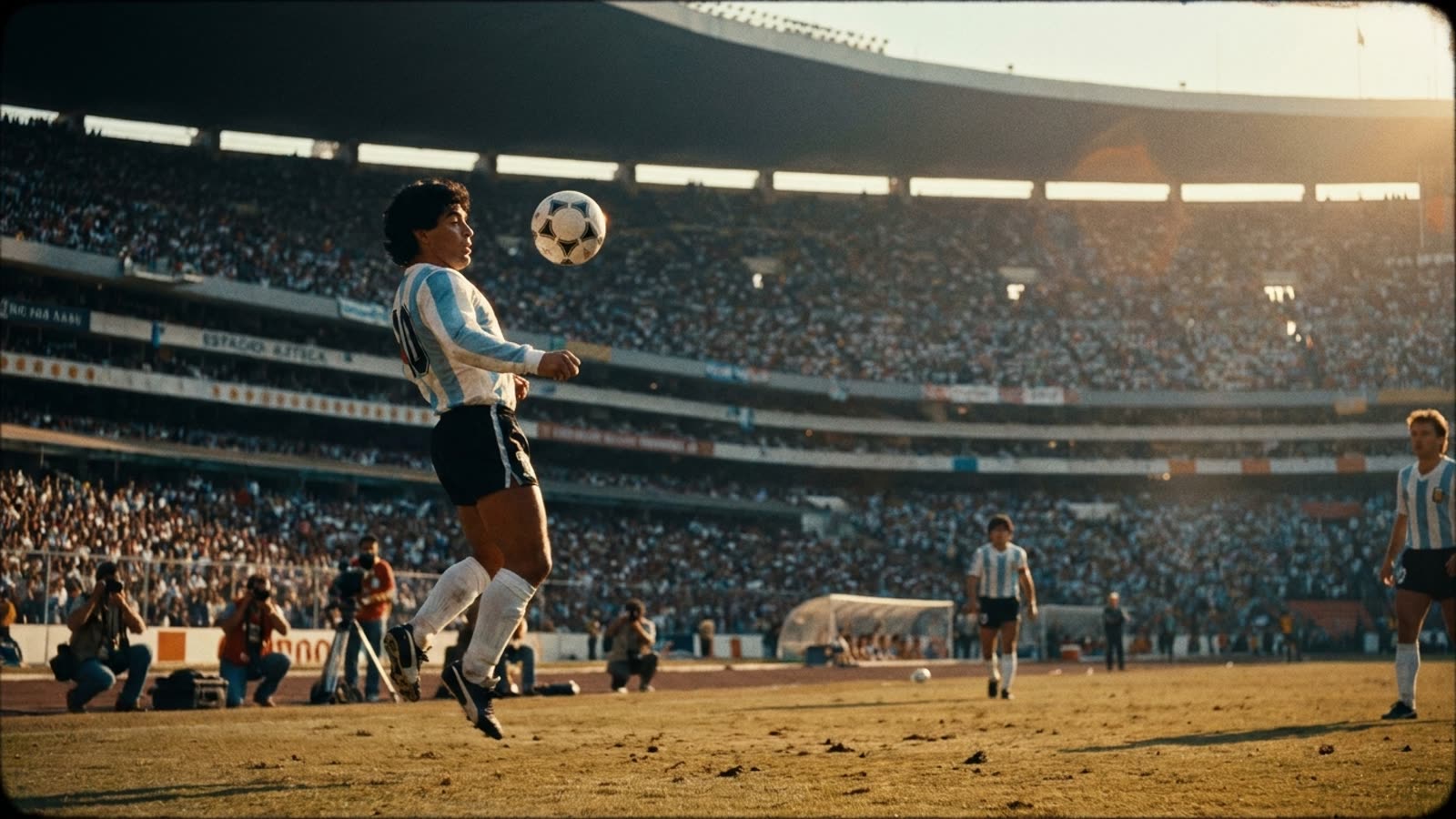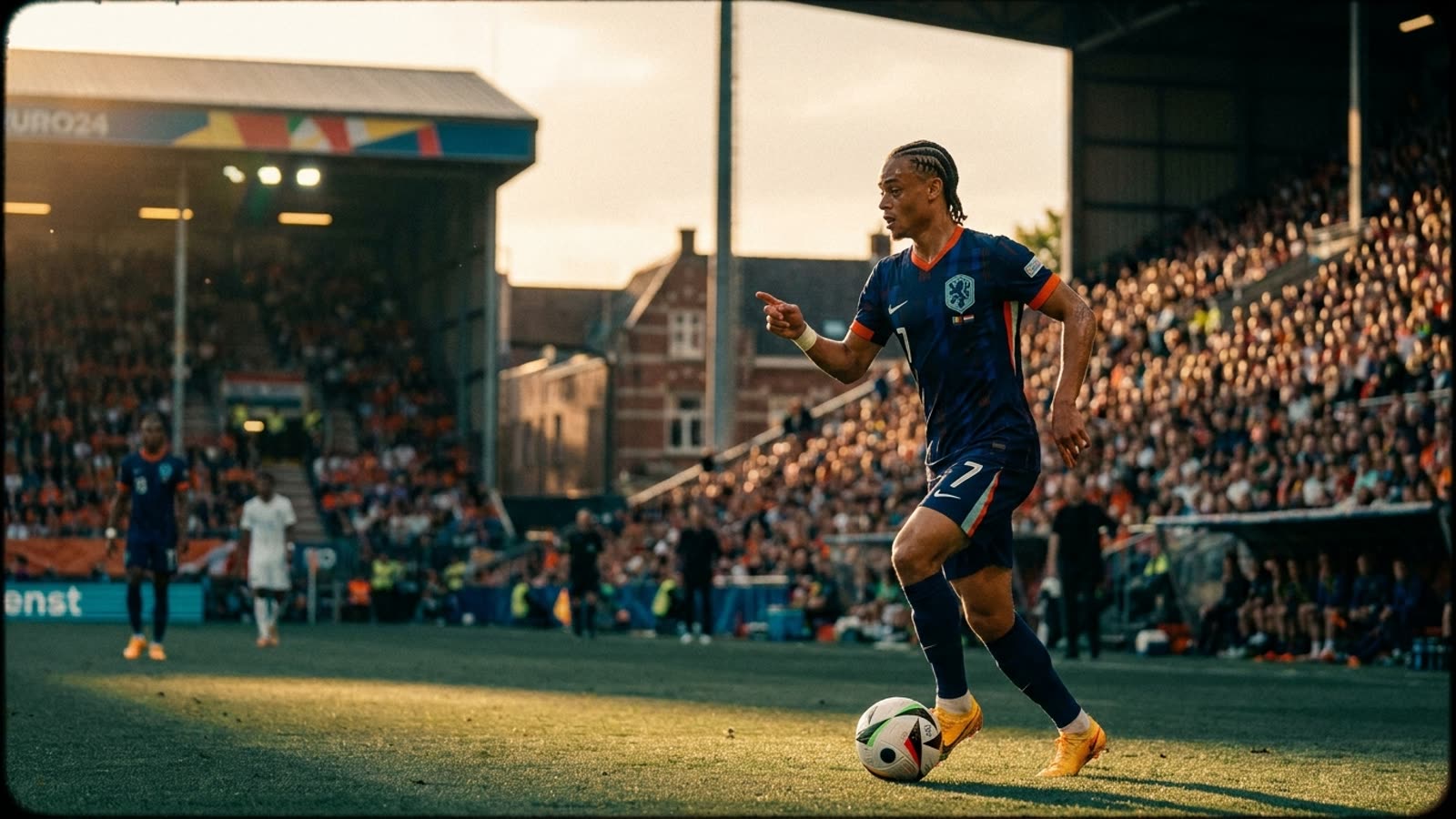
There is a particular cruelty in football's memory. The sport lionizes pace, power, the spectacular — the overhead kick, the mazy dribble past five defenders, the thunderbolt from thirty yards. Xavi Hernández offered none of these. What he offered instead was something far rarer: the ability to make everyone around him better while appearing to do almost nothing at all.
Watch old footage of Xavi and you might wonder what the fuss was about. A slight figure, rarely breaking into a sprint, seldom attempting anything that would make a highlight reel. He passed the ball sideways, then backwards, then sideways again. To the untrained eye, it looked like timidity. To anyone who understood football's deeper architecture, it looked like mastery.
The geometry of possession
Xavi's genius lay in understanding space not as it existed but as it was about to exist. While other midfielders reacted to the game, he anticipated it, positioning himself in the exact location where the ball needed to arrive three passes from now. His former teammate Andrés Iniesta once observed that playing with Xavi felt like cheating — the ball always found you in space because Xavi had already calculated the angles that would create that space.
This was the foundation of Barcelona's tiki-taka and Spain's unprecedented international dominance. Between 2008 and 2012, with Xavi as the metronome, Spain won two European Championships and a World Cup. Barcelona claimed multiple Champions League titles. The style was so distinctive, so suffocating for opponents, that it forced a tactical reckoning across the sport. Managers worldwide had to devise new pressing systems simply to cope with what Xavi and his teammates had made look effortless.
The tyranny of completion percentage
Xavi's passing accuracy routinely exceeded ninety percent, a figure that critics dismissed as evidence of risk-aversion. This criticism missed the point entirely. His passes were not safe because he avoided danger; they were safe because he had already eliminated the danger through positioning and timing. The ball moved at precisely the speed and trajectory required. Teammates received it on their preferred foot, facing the direction they needed to go. Opponents found themselves chasing shadows.
What separated Xavi from other technically gifted midfielders was his almost philosophical commitment to the collective. He subordinated individual glory to systemic excellence. In an era increasingly obsessed with individual statistics, Xavi's most important contributions often went unrecorded — the half-step adjustment that opened a passing lane, the subtle body feint that froze a defender for a crucial half-second.
Our take
Football will always celebrate its sprinters and its strongmen, its goal-scorers and its showboats. But Xavi Hernández represents something the sport should value more: proof that intelligence can be its own form of athleticism. He made the case that the brain is a muscle worth training, that seeing the game clearly matters as much as running through it quickly. In a sport often reduced to physical spectacle, he was a reminder that football, at its highest level, remains a thinking person's game.