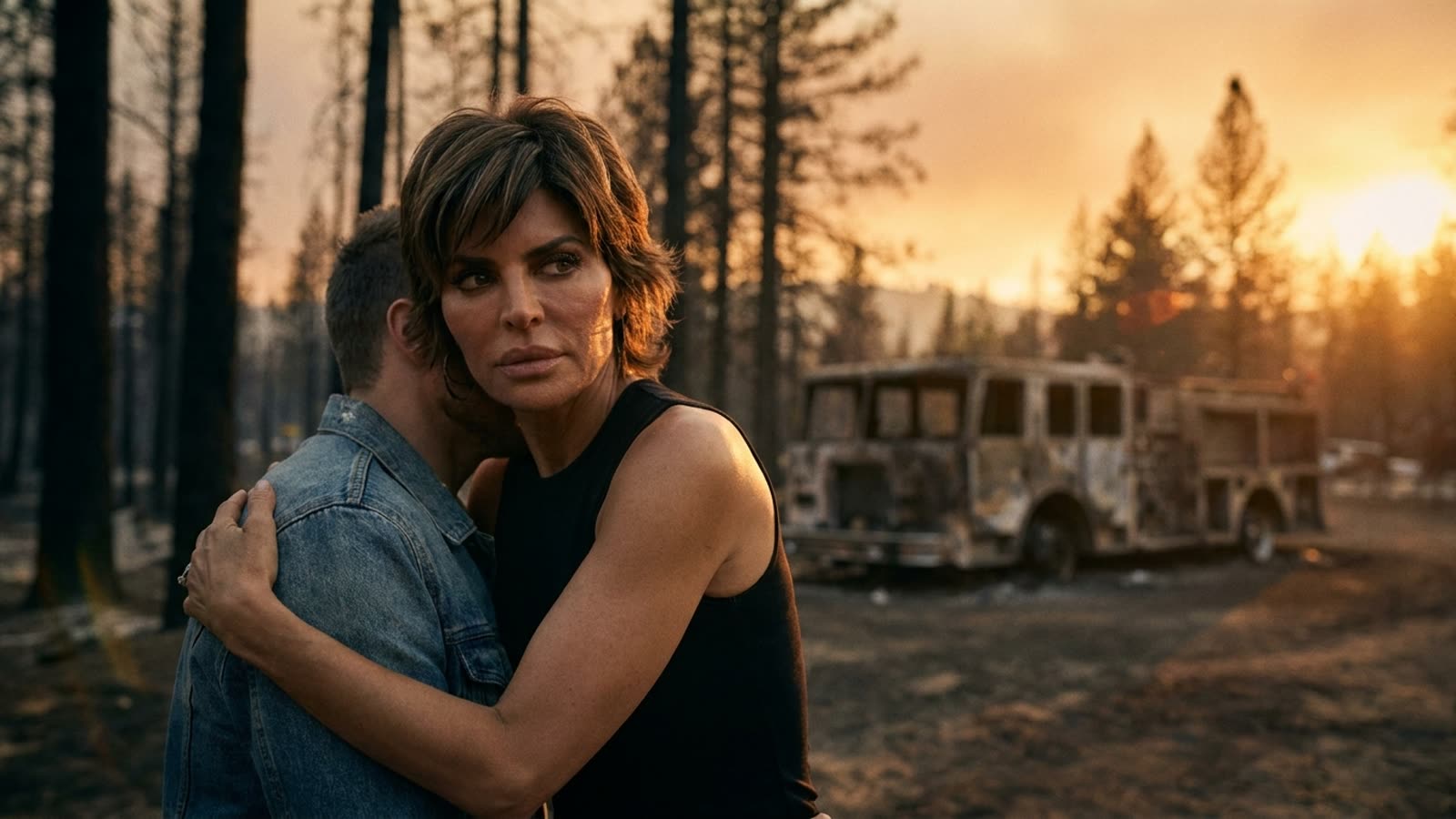
When Lisa Rinna took to social media this week to voice support for Spencer Pratt and Heidi Montag—who lost their Pacific Palisades home in the devastating Los Angeles wildfires earlier this year—she wasn't simply offering celebrity condolences. She was performing a ritual that has become increasingly common among reality television's first generation: the public embrace of a fellow survivor.
Rinna, who spent eight seasons navigating the baroque cruelties of The Real Housewives of Beverly Hills before departing in 2023, and Pratt, who became America's designated villain on The Hills nearly two decades ago, occupy different corners of the reality universe. Yet her gesture underscores a quiet shift in how the genre's alumni relate to one another—less as competitors in a zero-sum attention economy, more as members of a peculiar fraternity bound by shared trauma.
The villain rehabilitation project
Spencer Pratt has spent the past several years executing one of reality television's most improbable image rehabilitations. The man who once gleefully played the heel on MTV, complete with flesh-colored beard and crystal obsession, has reinvented himself as a TikTok-savvy family man and surprisingly likable presence. The Palisades fire, which destroyed the home he and Montag had worked to rebuild their lives in, generated an outpouring of sympathy that would have been unthinkable in 2008.
Rinna's support fits a pattern. Reality stars who weathered the genre's early, more anarchic era—before producers fully understood the psychological toll of manufactured conflict—have developed something approaching class consciousness. They've watched colleagues struggle with mental health crises, financial ruin, and the particular loneliness of being famous for being disliked.
The economics of mutual visibility
There's pragmatism here too. Reality television's ecosystem rewards those who remain in conversation with one another. A Rinna post about the Pratts keeps both parties in the algorithmic mix, reminds audiences of their respective brands, and generates the kind of cross-pollination that streaming platforms and tabloids reward. Solidarity and self-interest aren't mutually exclusive.
But to reduce this entirely to calculation would miss something genuine. These are people who understand, in ways civilians cannot, what it means to have your worst moments edited for maximum drama and broadcast to millions. That shared understanding creates bonds that transcend the artificial rivalries producers once encouraged.
Our take
Reality television spent its first two decades treating its cast members as disposable—raw material to be processed into content and discarded when the ratings dipped. The genre's survivors are now old enough, and wise enough, to recognize they have more in common with each other than with the networks that made them famous. Rinna backing Pratt isn't just nice; it's a small act of collective self-preservation from a generation that learned the hard way that nobody else was going to look out for them.