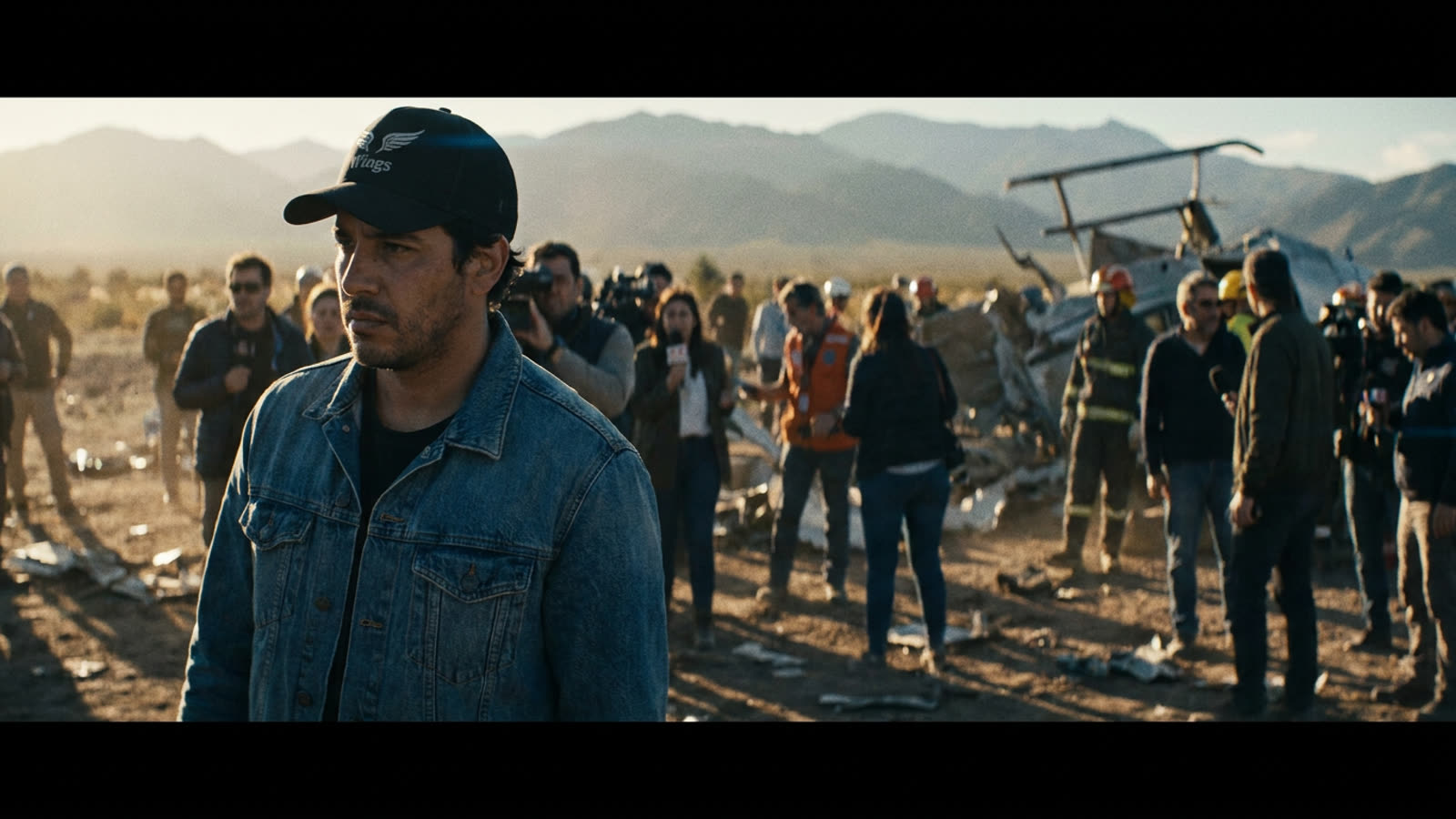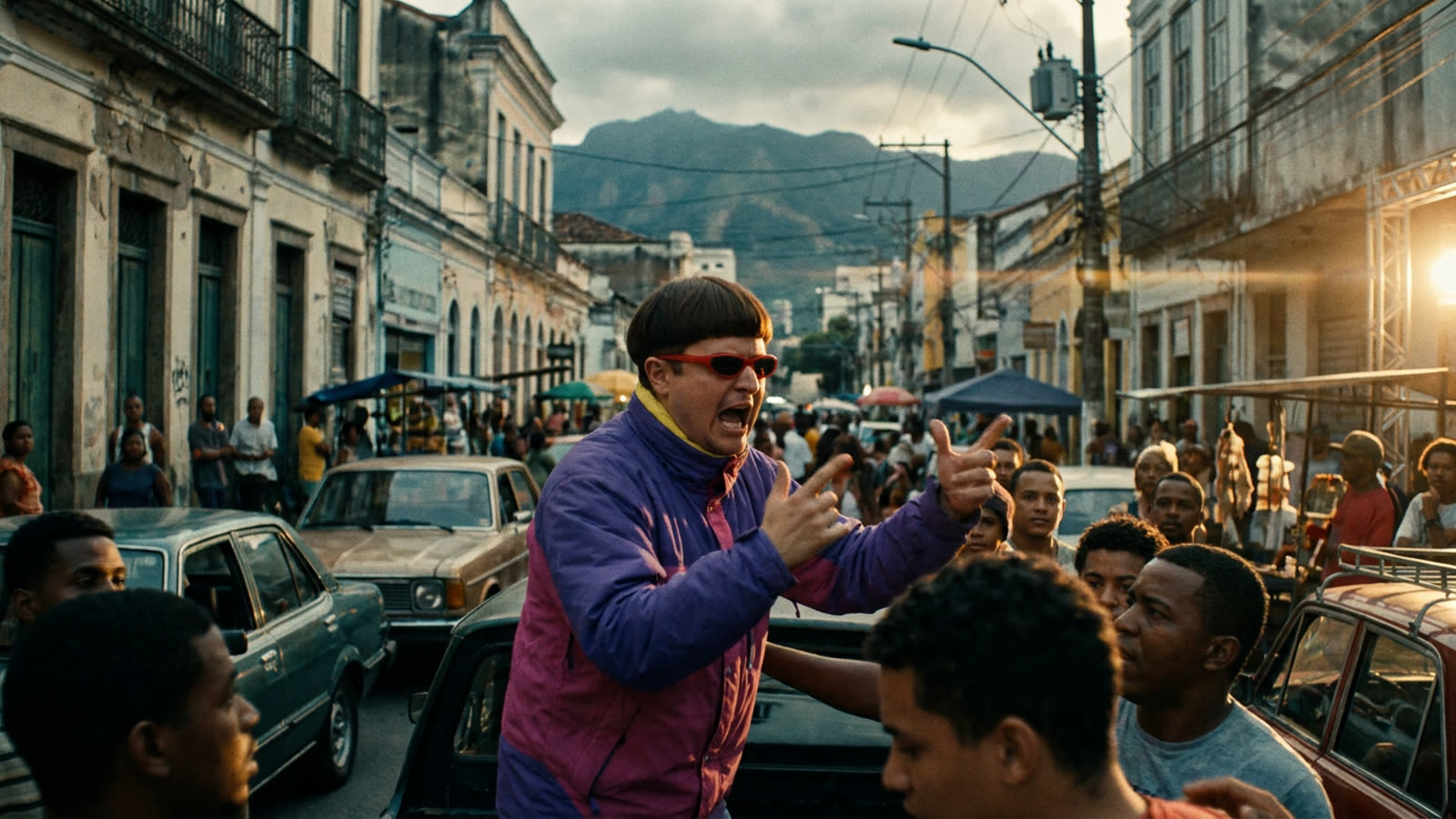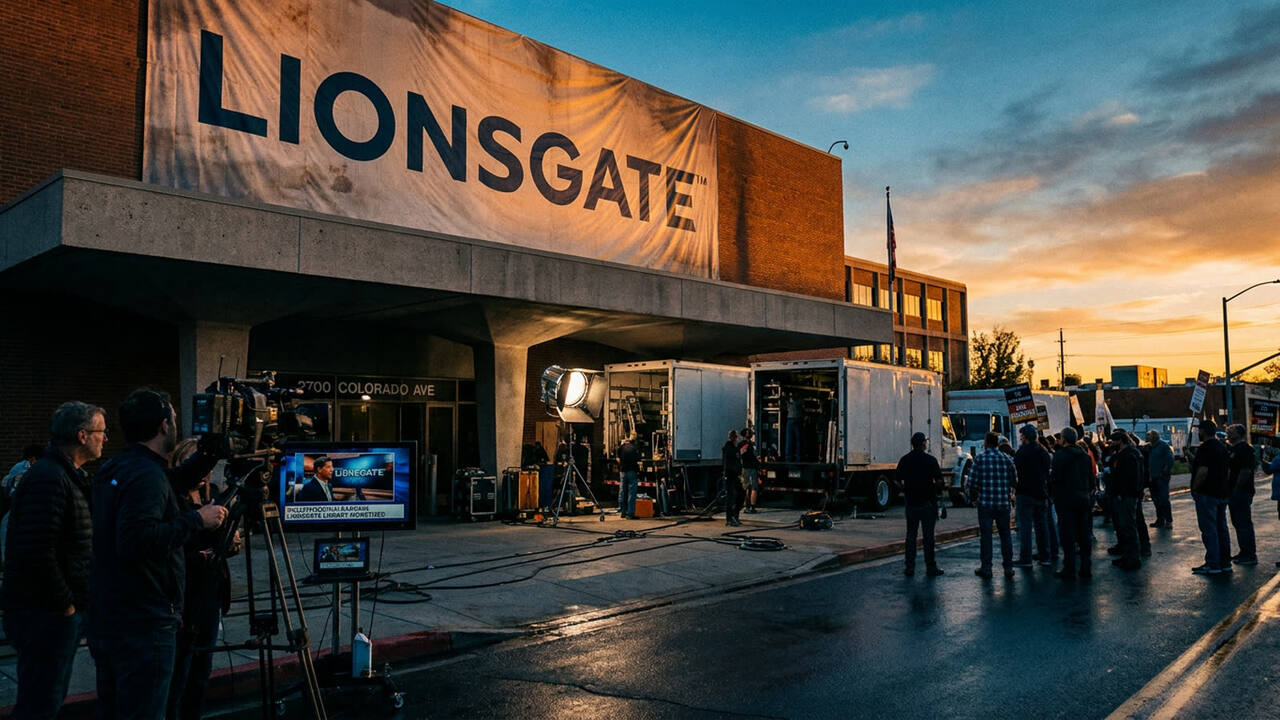
A mid-tier Hollywood studio has done what the majors have been too cautious—or too proud—to attempt: Lionsgate has entered a formal partnership with Runway, the generative-AI video startup, granting access to its library for model training. The deal, announced this week, positions the home of Keanu Reeves's balletic gunplay and dystopian teen rebellion as the first legacy content owner to treat its archive not as sacred text but as raw material for algorithmic synthesis.
The commercial logic is straightforward. Lionsgate lacks the streaming scale of Disney or Warner Bros. Discovery; its library, while valuable, generates diminishing returns on traditional licensing. Runway, meanwhile, needs high-quality, legally unimpeachable footage to train its Gen-3 and successor models—footage that doesn't arrive with the copyright landmines of scraping YouTube or the reputational risk of using unlicensed material. Both parties get what they need: Lionsgate receives an undisclosed sum and, reportedly, preferential access to Runway's tools; Runway gets a defensible training corpus and a legitimacy boost.
Why Lionsgate, why now
The studio occupies an awkward middle ground in the new Hollywood hierarchy. Too small to launch a competitive streaming service, too large to ignore the platform wars entirely, Lionsgate has spent recent years cycling through strategic pivots—mergers, spin-offs, a flirtation with Starz divestiture. Licensing content to an AI firm is, in this context, less a philosophical statement than a balance-sheet necessity. The company's executives have framed the deal as forward-looking innovation; skeptics will note it also looks like monetizing assets that weren't earning their keep.
Runway, for its part, has been cultivating Hollywood relationships since its tools first impressed filmmakers at Sundance in 2024. The startup's pitch to studios has always been that generative video will augment rather than replace human creativity—a claim that grows harder to assess as the models improve. Training on Lionsgate's library means Runway's outputs may soon carry the visual grammar of mainstream American cinema, for better or worse.
The guild question
Hollywood's creative unions spent much of 2023 striking over AI protections, and the resulting contracts contain guardrails—but those guardrails were negotiated with studios, not with third-party AI vendors. The Lionsgate-Runway deal exists in a contractual grey zone. SAG-AFTRA and the WGA have not publicly commented, though sources suggest both are watching closely. If an AI model trained on The Hunger Games eventually generates synthetic performances or scripts, the question of who owns what—and who is owed what—becomes genuinely novel.
Lionsgate has reportedly structured the agreement to avoid direct conflict with union terms, though the details remain opaque. The studio's position appears to be that training data is not the same as derivative work, a distinction that may or may not survive legal scrutiny.
Our take
This is less a betrayal of Hollywood tradition than an admission of Hollywood economics. Lionsgate is not Disney; it cannot afford to sit on its library and wait for the AI legal landscape to clarify. The deal is opportunistic, possibly reckless, and almost certainly a preview of arrangements the larger studios will eventually pursue under quieter terms. Runway gets a PR win and a training corpus; Lionsgate gets cash and optionality. The talent whose faces and voices populate that corpus get, for now, nothing—except perhaps a precedent to litigate later.