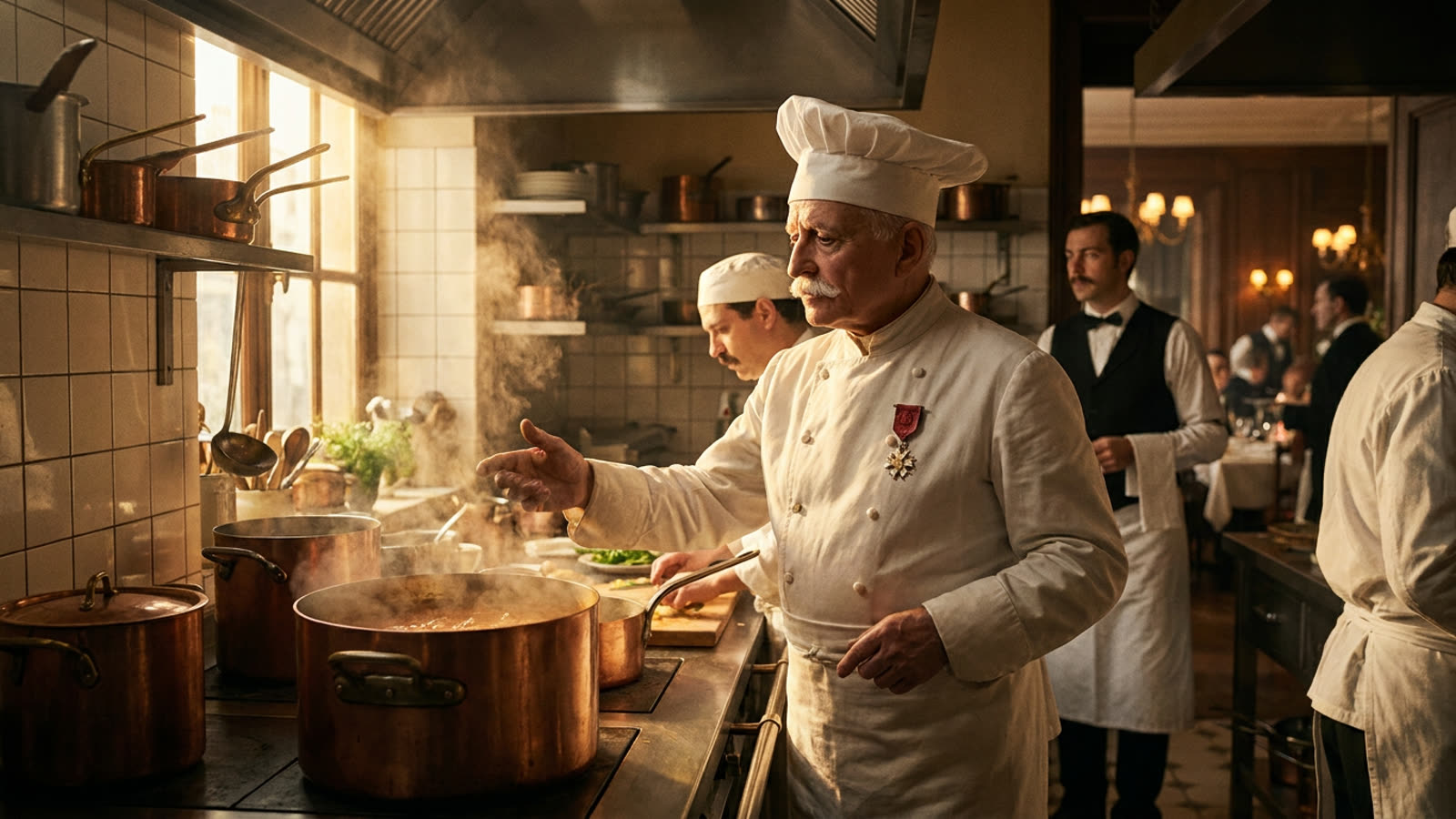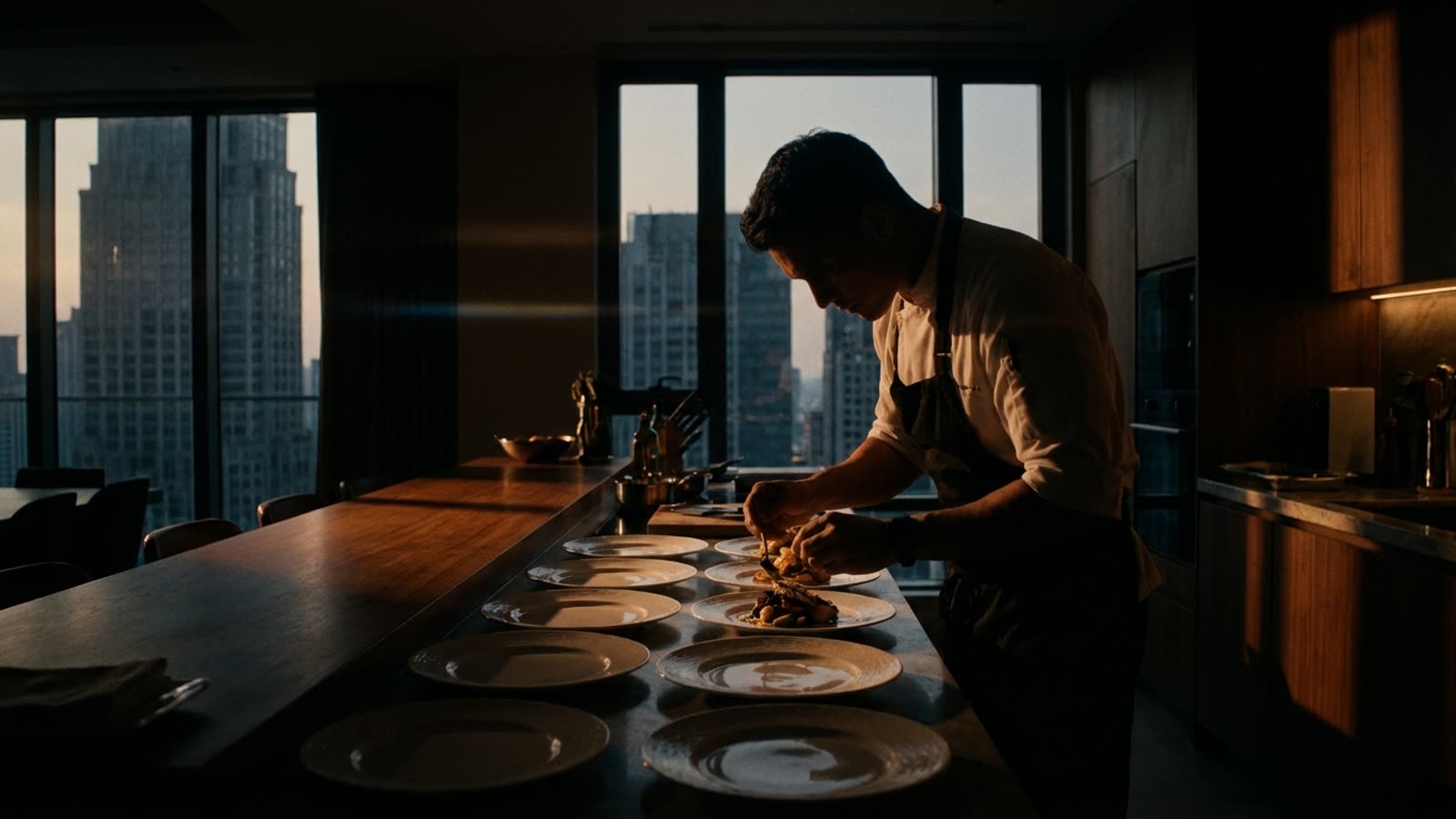
The modern billionaire's relationship with food has undergone a quiet revolution. Where once the reservation at a legendary restaurant signaled status, today's ultra-wealthy increasingly view public dining as a security risk, a privacy liability, and frankly, a bit common. The result is a booming parallel economy of private chefs who command six-figure retainers to cook for audiences of one.
This shift reflects something deeper than mere preference. It represents the logical endpoint of a culture that has made exclusivity its highest value—and discovered that true exclusivity means opting out of shared spaces entirely.
The economics of invisibility
Top-tier private chefs now earn compensation packages that rival investment bankers. A skilled chef with experience at recognized establishments can command annual salaries well into six figures, plus housing allowances, travel budgets, and performance bonuses. The very best—those who have cooked for heads of state, tech founders, or old-money dynasties—operate more like retained consultants, maintaining relationships with multiple principals across different residences and yachts.
The math makes sense when you consider what these chefs replace. A wealthy family dining out three times weekly at high-end restaurants might spend comparable amounts annually, but with none of the control. A private chef means no paparazzi, no eavesdropping neighbors, no social media posts from starstruck diners. For clients whose net worth makes them targets, this invisibility is worth every penny.
What money actually buys
The job description extends far beyond cooking. Private chefs manage complex dietary requirements across family members with competing preferences. They source high-quality ingredients through networks of trusted suppliers. They coordinate with household staff, adjust menus for last-minute guest additions, and often travel internationally with their employers.
Many describe their role as part nutritionist, part therapist, part family member. The intimacy is unavoidable—you cannot cook for someone daily without learning their rhythms, their moods, their vulnerabilities. This closeness explains why discretion ranks above culinary skill in most job postings. Principals will tolerate an imperfect risotto far more readily than a chef who talks.
The restaurant industry's quiet concern
Fine dining establishments have noticed the exodus. The clients who once anchored their business—the regulars who ordered without looking at prices, who brought guests they wanted to impress—increasingly stay home. Some restaurants have responded by offering private dining experiences, essentially bringing the restaurant to the residence. Others have accepted that their role has shifted: they now serve as training grounds for chefs who will eventually defect to private employment.
The irony is that restaurant culture itself created the demand it now struggles to satisfy. Decades of celebrating chef personalities, of treating dining as performance, of making reservations into status symbols—all of this taught wealthy clients that food could be a marker of distinction. They simply concluded that the most distinctive thing of all was to have their own chef, unseen and unshared.
Our take
There is something melancholy about a class of people so wealthy they have priced themselves out of the communal pleasures that make food meaningful. The private chef economy is efficient, discreet, and perfectly tailored—and it is also, in its way, a form of self-imposed exile. The best meals have always been about more than what is on the plate. They are about the room, the strangers at the next table, the sense of participating in something larger than yourself. What the ultra-wealthy have purchased, at considerable expense, is the right to eat alone.