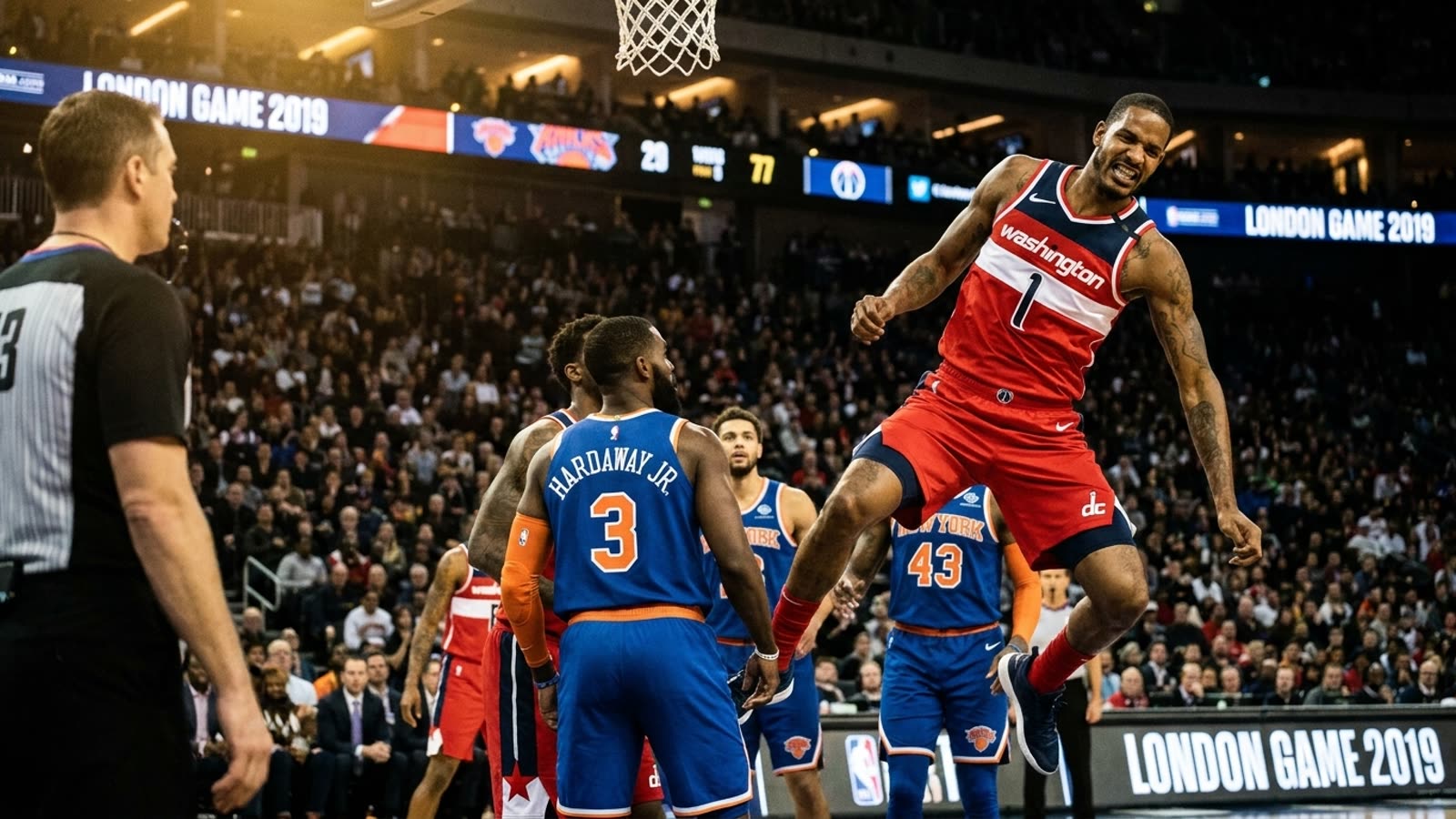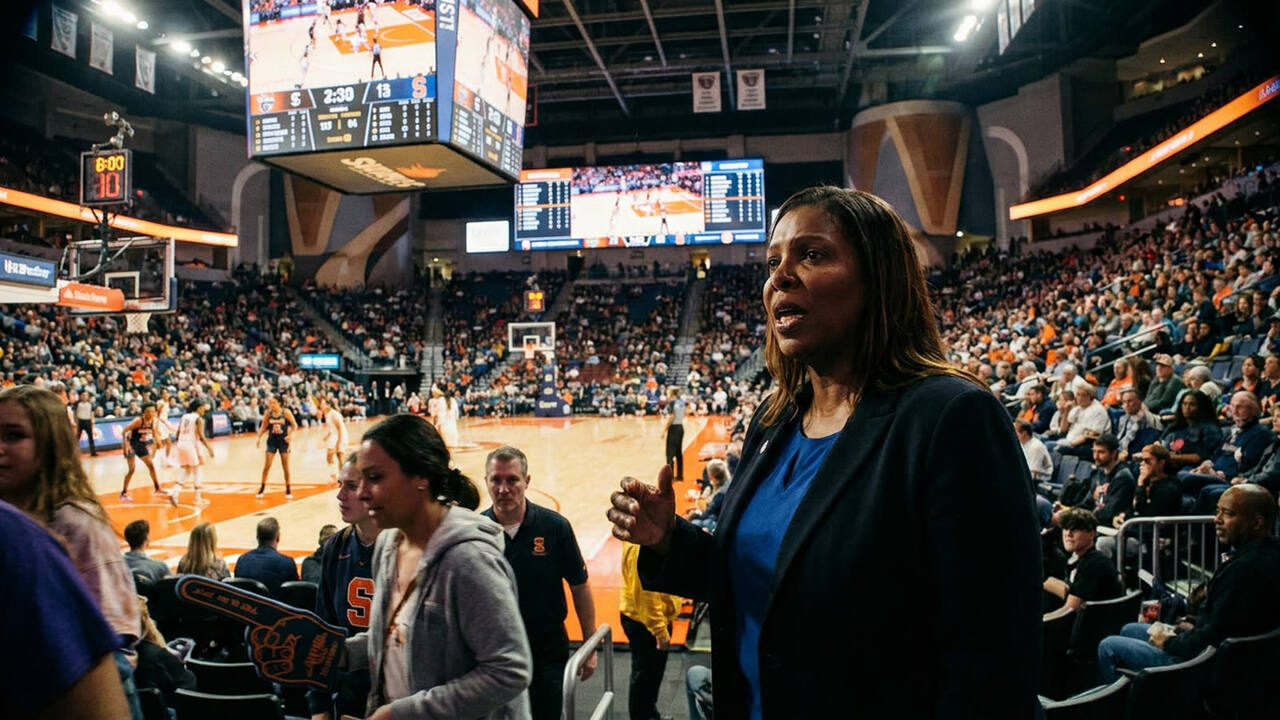
When the New York Knicks reached the NBA Finals for the first time in over half a century, their fans expected heartbreak, drama, and the particular agony that comes with caring too much about a basketball team. What they did not expect was their state's chief law enforcement officer going to war with Texas over ticket sales.
New York Attorney General Letitia James has sent a formal demand to the San Antonio Spurs organization, insisting they cease blocking New York residents from purchasing tickets to Game 5 of the NBA Finals at the Frost Bank Center. The Spurs, like many teams protecting home-court advantage, had implemented geographic restrictions on their ticketing platform—a common if quietly resented practice across professional sports. James is having none of it.
The consumer-protection angle
James's office argues that geographic ticket restrictions constitute an unfair business practice that harms New York consumers. The legal theory is not entirely novel—several states have examined whether such blocks violate consumer-protection statutes—but the timing and target are exquisitely calculated. With the series tied 2-2 and New York in a state of basketball-induced delirium not seen since the Patrick Ewing era, James has found the perfect populist cause: defending the sacred right of New Yorkers to spend four figures watching their team lose on the road.
The Spurs have not publicly responded, though the franchise is likely consulting lawyers while quietly wondering how a basketball game became an interstate regulatory dispute. Texas and New York have sparred over everything from abortion access to corporate relocations in recent years; ticket scalping was not on anyone's bingo card.
Why teams do this
Geographic restrictions exist because home-court advantage matters, and nothing deflates it faster than an arena full of opposing fans. The Spurs, facing elimination if they lose Game 5, have every competitive incentive to ensure their building sounds like San Antonio rather than Madison Square Garden South. The practice is widespread—the Dallas Cowboys, Los Angeles Dodgers, and dozens of other franchises have deployed similar blocks during high-stakes games.
But "everyone does it" has never been a defense that impresses attorneys general, particularly ones with political ambitions and a gift for headlines. James has built her career on high-profile confrontations with powerful institutions, from the Trump Organization to the NRA. The Spurs are merely the latest target, and a relatively sympathetic one for New York voters who would very much like to be in that building.
Our take
This is, objectively, a sideshow. The Knicks will win or lose Game 5 regardless of how many fans make the trip to Texas. But it is also a delightful reminder that New York's civic religion requires defending its people's right to be loud, obnoxious, and present wherever basketball is being played. Letitia James may or may not have a winning legal argument. She absolutely has a winning political one.