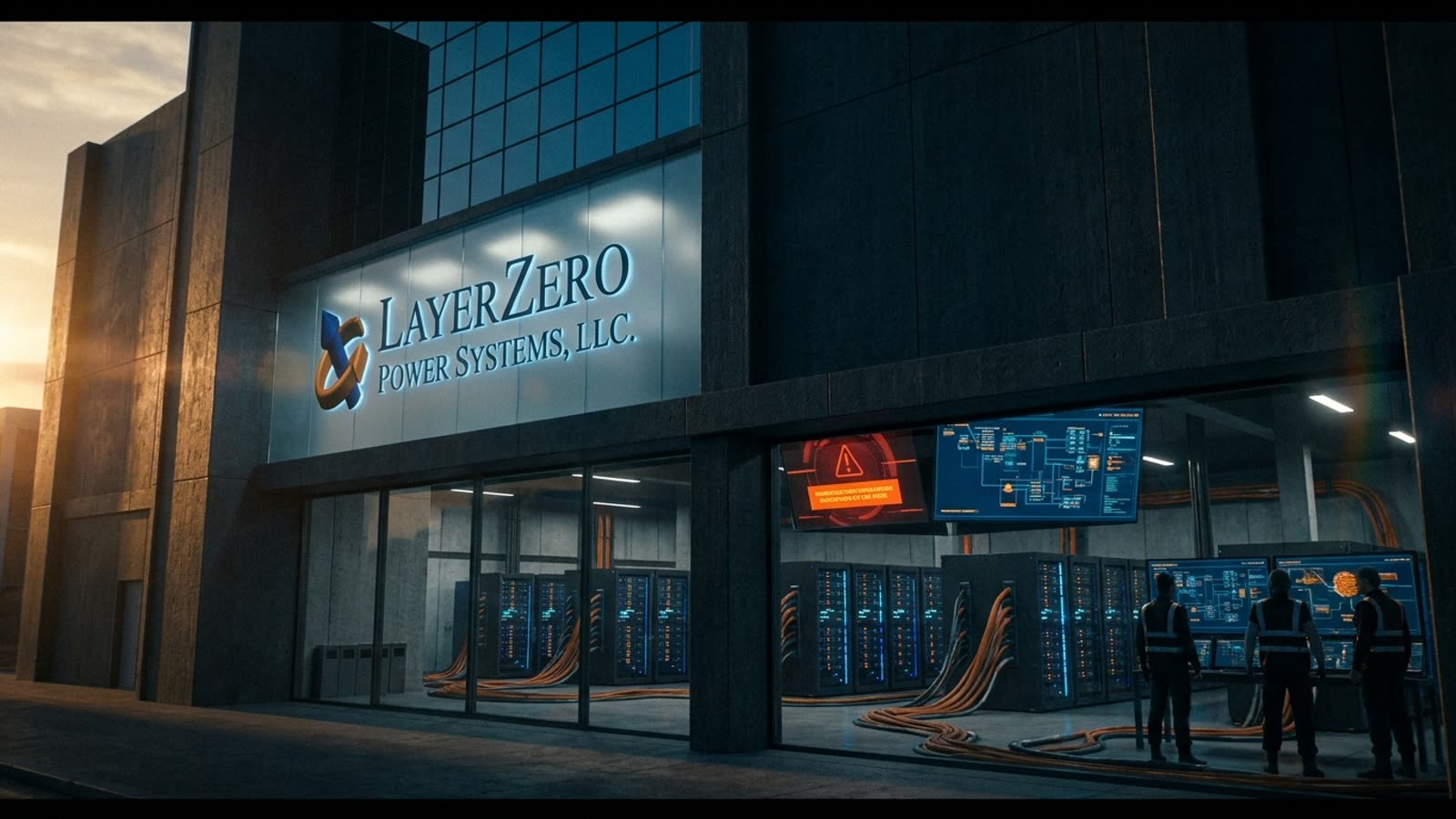
When $292 million vanishes from a DeFi protocol, the first instinct is usually to blame the victim. LayerZero, the cross-chain messaging protocol that has processed billions in bridged assets, initially did exactly that after the Kelp exploit drained funds earlier this week. The problem, they suggested, was a developer configuration failure—a familiar refrain in crypto's blame-the-user playbook.
Then came Saturday's reversal. "We made a mistake," LayerZero said in a statement that landed with unusual force in an industry allergic to accountability. The protocol acknowledged it "owns" the decision to let its own verifier secure high-value transfers in what it now concedes was a vulnerable setup. Translation: the guards were asleep because the guardhouse was poorly designed.
The verifier problem
LayerZero's architecture relies on a separation of concerns—oracles relay messages, verifiers confirm them, and the theory goes that requiring both to collude makes attacks economically irrational. In practice, the Kelp integration allowed LayerZero's own verifier to handle verification for large transfers, collapsing the security model into something closer to a single point of failure. The attacker found it.
This isn't a novel vulnerability class. Cross-chain bridges have hemorrhaged over $2.5 billion since 2021, and the pattern is grimly consistent: complexity creates crevices, and crevices get exploited. What distinguishes the Kelp incident is LayerZero's market position. The protocol has positioned itself as infrastructure-grade plumbing for the multi-chain future, securing integrations with major DeFi protocols and raising at a $3 billion valuation. Infrastructure-grade implies infrastructure-grade accountability.
The accountability gap
LayerZero's Saturday statement represents something genuinely rare: a major protocol admitting architectural culpability rather than retreating behind "code is law" formalism or developer-error deflection. Whether this reflects genuine institutional maturity or simply competent crisis communications remains to be seen. The proof will be in the remediation—and in whether affected users see meaningful restitution.
The broader industry should be paying attention. As tokenized real-world assets grow (BlackRock filed new paperwork this week to expand its tokenized fund lineup), the bridges connecting traditional finance to on-chain systems become systemically important. A $292 million exploit is a rounding error compared to what flows through TradFi daily. The question is whether crypto's bridge infrastructure can mature fast enough to handle institutional-scale flows without institutional-scale disasters.
Our take
LayerZero deserves credit for the admission, but credit doesn't reimburse victims. The uncomfortable truth is that cross-chain security remains largely unsolved, and the industry's reliance on economic game theory rather than cryptographic guarantees means we're essentially hoping attackers stay rational. They won't always. The next bridge exploit isn't a matter of if but when—and the only question is whether the industry will have built better guardrails by then, or just better press releases.