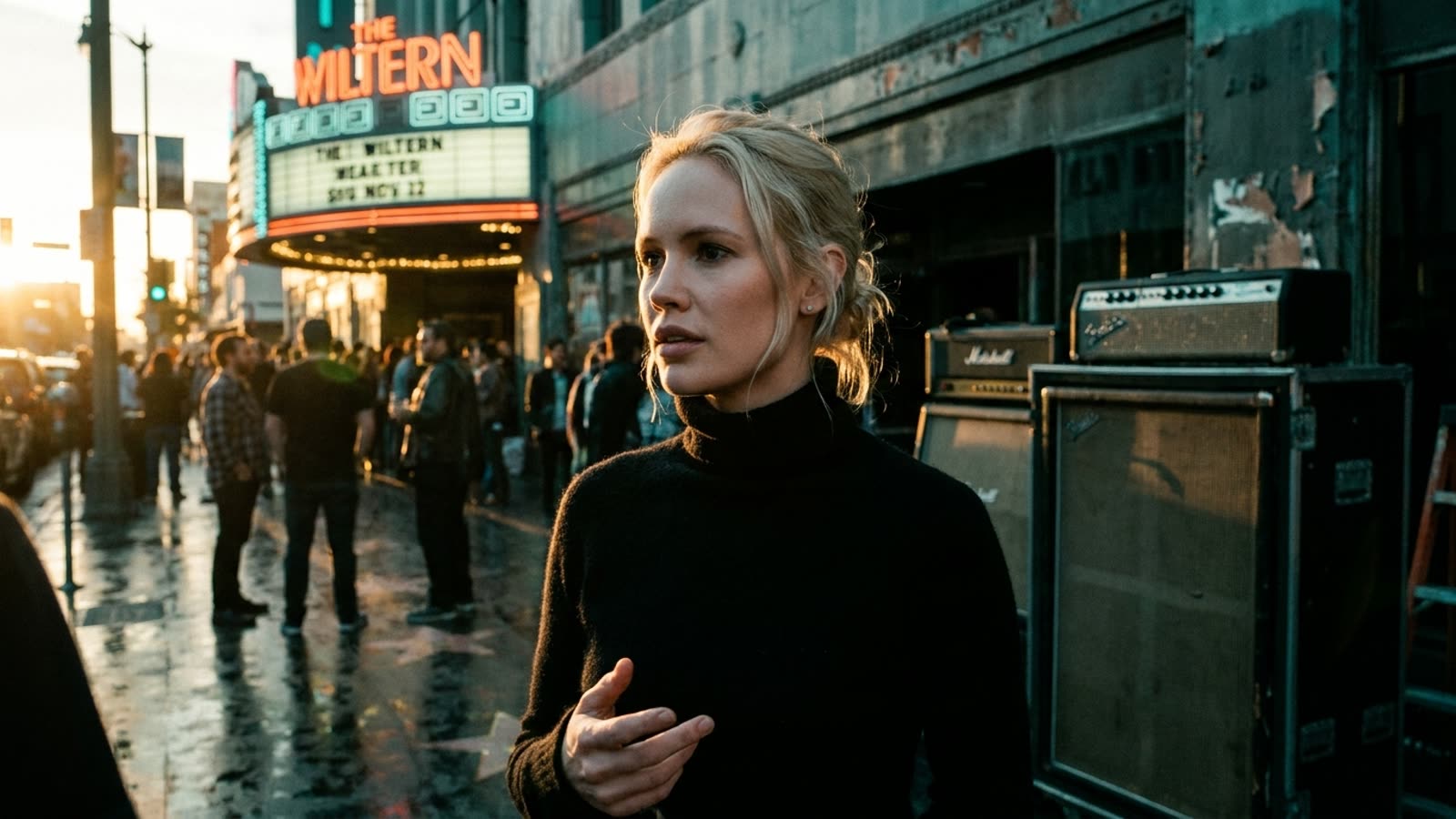
Lauren Bennett's career should have ended at least twice. First when Girlicious, the girl group assembled on a 2008 Pussycat Dolls reality competition, dissolved after two albums and diminishing returns. Then again in 2014, when Simone Battle, her bandmate in the reconstituted group G.R.L., died by suicide just as the group was gaining momentum. That Bennett is still recording, still touring, and still finding ways to matter in an industry that discards manufactured pop acts like seasonal inventory says something about both her tenacity and the strange economics of fame in the streaming era.
The British-born singer resurfaced in headlines this week as fans revisited her trajectory—a reminder that the pop industrial complex produces far more casualties than victors, and that the ones who survive often do so by refusing to play by its rules.
The reality-show pipeline
Bennett was 19 when she won a spot in Girlicious on CW's "Pussycat Dolls Present," a show that treated young women as interchangeable components in a hit-making machine. The group scored a modest club hit with "Like Me" but never escaped the shadow of their parent brand. When Interscope dropped them in 2011, the conventional wisdom was that Bennett would fade into the nostalgia circuit, another casualty of the late-aughts girl-group glut.
Instead, she pivoted. She appeared on LMFAO's inescapable 2011 single "Party Rock Anthem," a feature credit that gave her more cultural reach than Girlicious ever managed. Then came G.R.L., Robin Antin's attempt to resurrect the Pussycat Dolls formula with fresh faces. The group was building real momentum—"Ugly Heart" was a genuine hit—when Battle's death in September 2014 shattered everything.
Survival as a business model
What Bennett did next was instructive. Rather than retreating or attempting a dramatic solo rebrand, she simply kept working. Session vocals. Songwriter credits. The occasional feature. She understood something that many manufactured-pop survivors miss: the music industry rewards persistence more than it rewards talent, and visibility compounds.
By the early 2020s, she had accumulated enough credits and goodwill to operate as a mid-tier independent artist—not a star, but not a nostalgia act either. Her social media presence leans heavily on her reality-show origins, but she's managed to convert that into something like a sustainable career. In an era when major-label deals often trap artists in debt spirals, Bennett's journeyman approach looks almost prescient.
Our take
Bennett's story isn't a triumph-over-adversity narrative so much as a case study in what happens when you refuse to accept the industry's verdict on your relevance. She was never supposed to outlast the Pussycat Dolls brand that created her, and she certainly wasn't supposed to keep making music after watching a bandmate die. That she's still here, still working, still finding audiences willing to listen, suggests that the pop machine's power to determine who matters is weaker than it pretends to be. Sometimes the most subversive thing you can do is simply not go away.