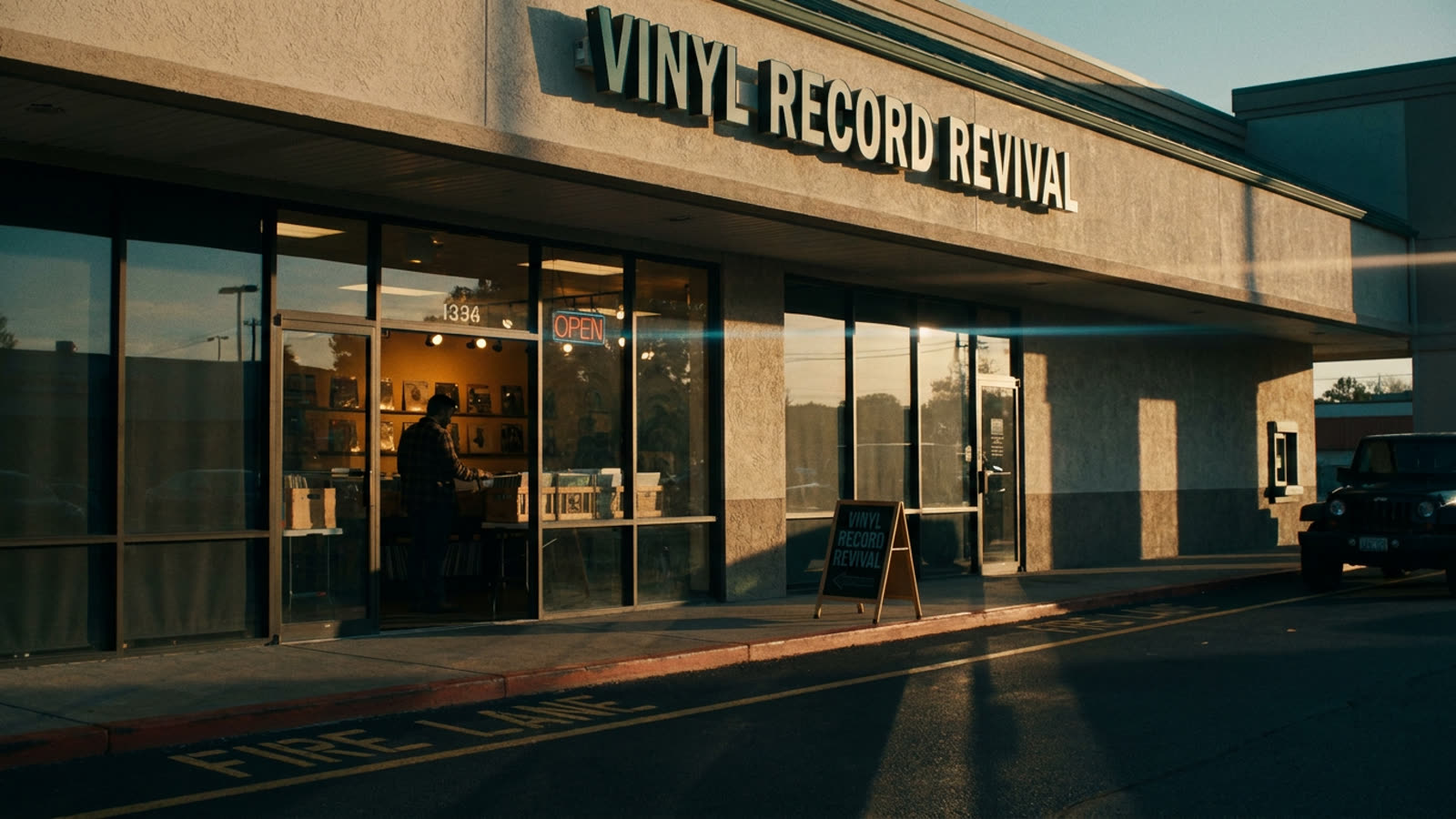
The economics should have killed them twice over. First came the CD, which promised perfect sound and rendered the LP obsolete by 1990. Then came the MP3, which made the CD seem quaint. Then came streaming, which made ownership itself feel like an affectation. And yet the independent record store—that musty cathedral of alphabetized spines and judgmental clerks—not only survived but entered something like a golden age.
The numbers are real: vinyl sales have grown for nearly two decades straight in the United States and Britain, with new pressing plants opening to meet demand that old facilities cannot satisfy. But the numbers miss the point. The record store's resurrection is not primarily a story about vinyl. It is a story about what happens when an industry's core product becomes free and frictionless, and the businesses that once sold it must discover what they were actually providing all along.
The curation economy
Streaming services offer sixty million songs and recommend them via algorithm. This is, in theory, paradise. In practice, it produces a peculiar anxiety: the paralysis of infinite choice, the suspicion that the algorithm knows you too well and is feeding you only what you already like. The record store offers the opposite experience. Its inventory is finite, its organization idiosyncratic, its staff opinionated to the point of rudeness. You do not get what you want. You get what someone with better taste thinks you should want.
This is curation in its original sense—not the algorithmic assembly of similar items, but the human imposition of judgment. The best record stores have always functioned as magazines with inventory, their selections reflecting an editorial vision. What changed is that this vision, once incidental to the transaction, became the transaction itself. Nobody needs to buy a record. The streaming library is more comprehensive and costs less per year than a single LP. What people pay for now is the recommendation, the discovery, the encounter with taste that is not their own.
The third place, restocked
The sociologist Ray Oldenburg coined the term "third place" to describe the cafés, barbershops, and pubs where community life happens outside home and work. The record store has become, improbably, one of the last third places standing. Coffee shops have been colonized by laptops; bars have grown too loud for conversation; bookstores have thinned to the point of extinction. But the record store—with its listening stations, its in-store performances, its customers who linger—provides something that cannot be replicated online: the chance encounter with a stranger who shares your obscure enthusiasm.
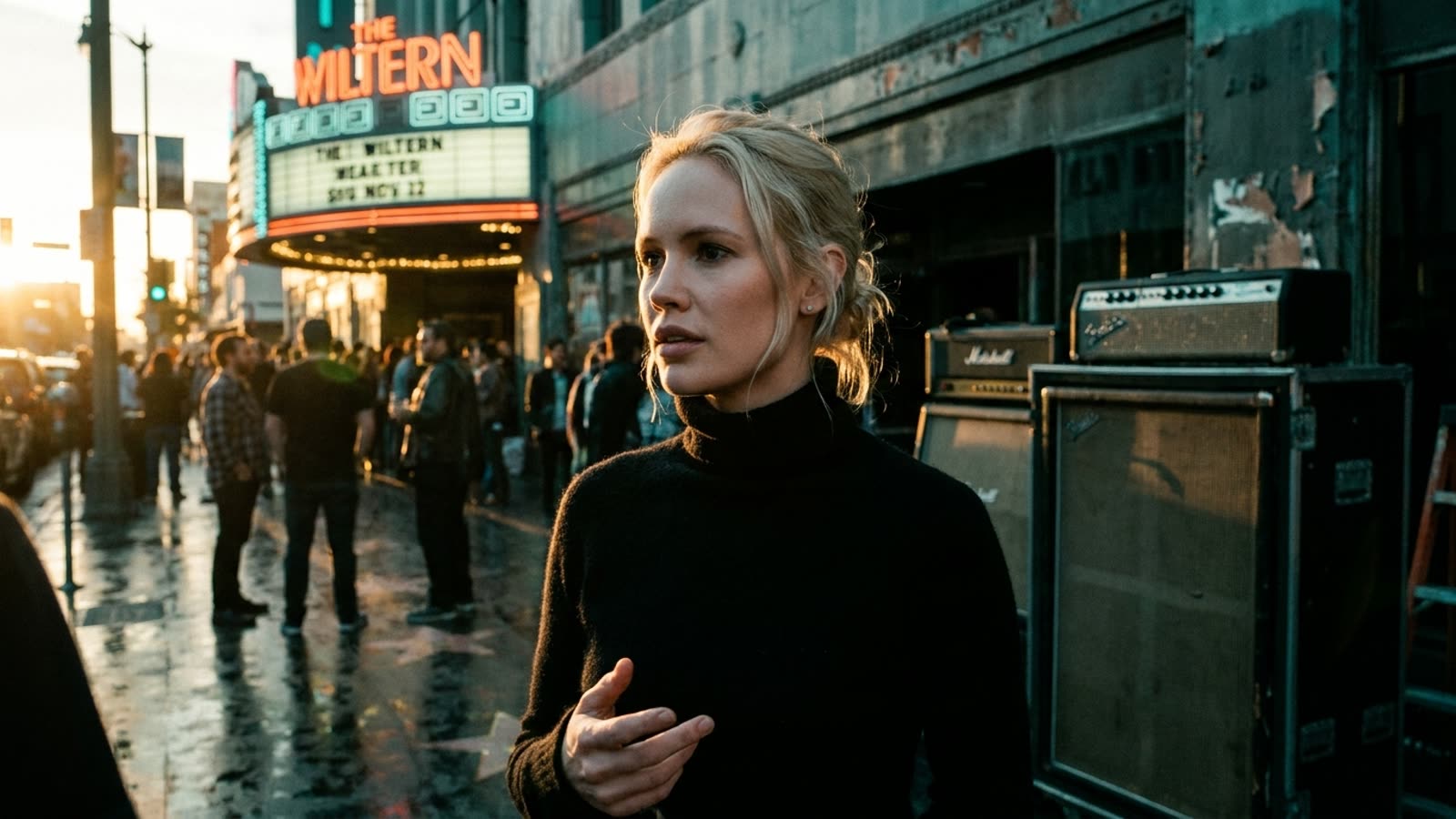
The stores that thrive have leaned into this function. They host album-release parties, DJ sets, and listening sessions. They sell coffee, vintage clothing, and zines. They have become community centers for a subculture that streaming was supposed to dissolve but instead intensified. The internet made musical taste portable and visible; the record store gave it a physical address.
Our take
The vinyl revival is often framed as nostalgia, as if buyers were simply chasing the warm crackle of their parents' stereos. This misses the deeper shift. What the record store sells now is not a format but a service: the imposition of limits on limitless choice, the presence of human judgment in an algorithmic world, the possibility of being surprised by someone who is not an algorithm. The product is scarcity in an age of abundance. That turns out to be worth more than the plastic it is pressed on.