The conversation around Lamine Yamal has shifted. A year ago, observers marveled that someone so young could start for Barcelona. Six months ago, they debated whether Spain should risk building their Euro 2024 attack around a sixteen-year-old. Now, with the World Cup group stage reaching its midpoint, the question has changed entirely: how do you stop him?
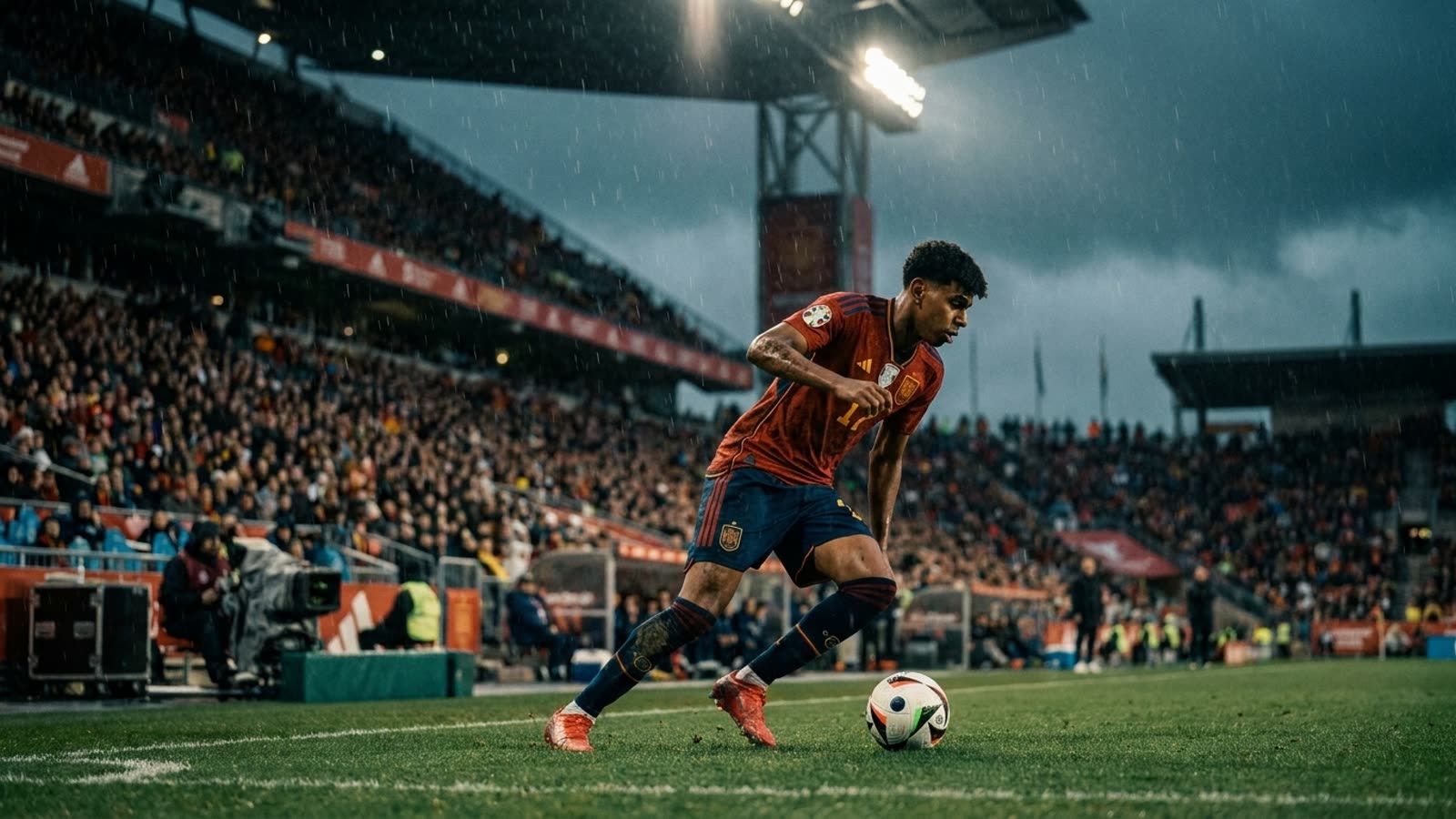
Yamal turned seventeen last month. He cannot legally drive in most American states hosting this tournament. Yet when he receives the ball on the right flank, defenders who have spent a decade in professional football suddenly look like they're solving a puzzle they've never seen before. His body feints suggest one direction while his hips commit to another, and by the time the defender's weight shifts, Yamal is already past him, eyes scanning for the pass that will hurt most.
The numbers behind the noise
Statistics struggle to capture what Yamal does, but they try. Through Spain's opening matches, he leads the tournament in successful dribbles and ranks near the top in chances created. More telling is the defensive attention he commands: opponents are doubling and sometimes tripling their coverage on Spain's right side, which has opened corridors for Pedri and Rodri to exploit through the center. Spain's tactical flexibility—their ability to score from multiple angles—stems largely from the gravitational pull of a teenager.
What separates Yamal from previous prodigies is his composure under the specific pressure of a World Cup. The tournament's compressed timeline and global scrutiny have historically overwhelmed young players. Yamal appears unbothered, not in the performative way of athletes feigning calm, but in the manner of someone genuinely absorbed in the task rather than its stakes.
Historical context, carefully applied
Comparisons to Pelé's 1958 World Cup—when a seventeen-year-old announced himself to the world—are inevitable and mostly unhelpful. The game has changed too fundamentally for direct parallels. More instructive is the contrast with recent teenage World Cup participants who arrived with hype and departed with experience but not impact. Yamal is delivering immediately, in matches that matter, against opponents who have specifically prepared for him.
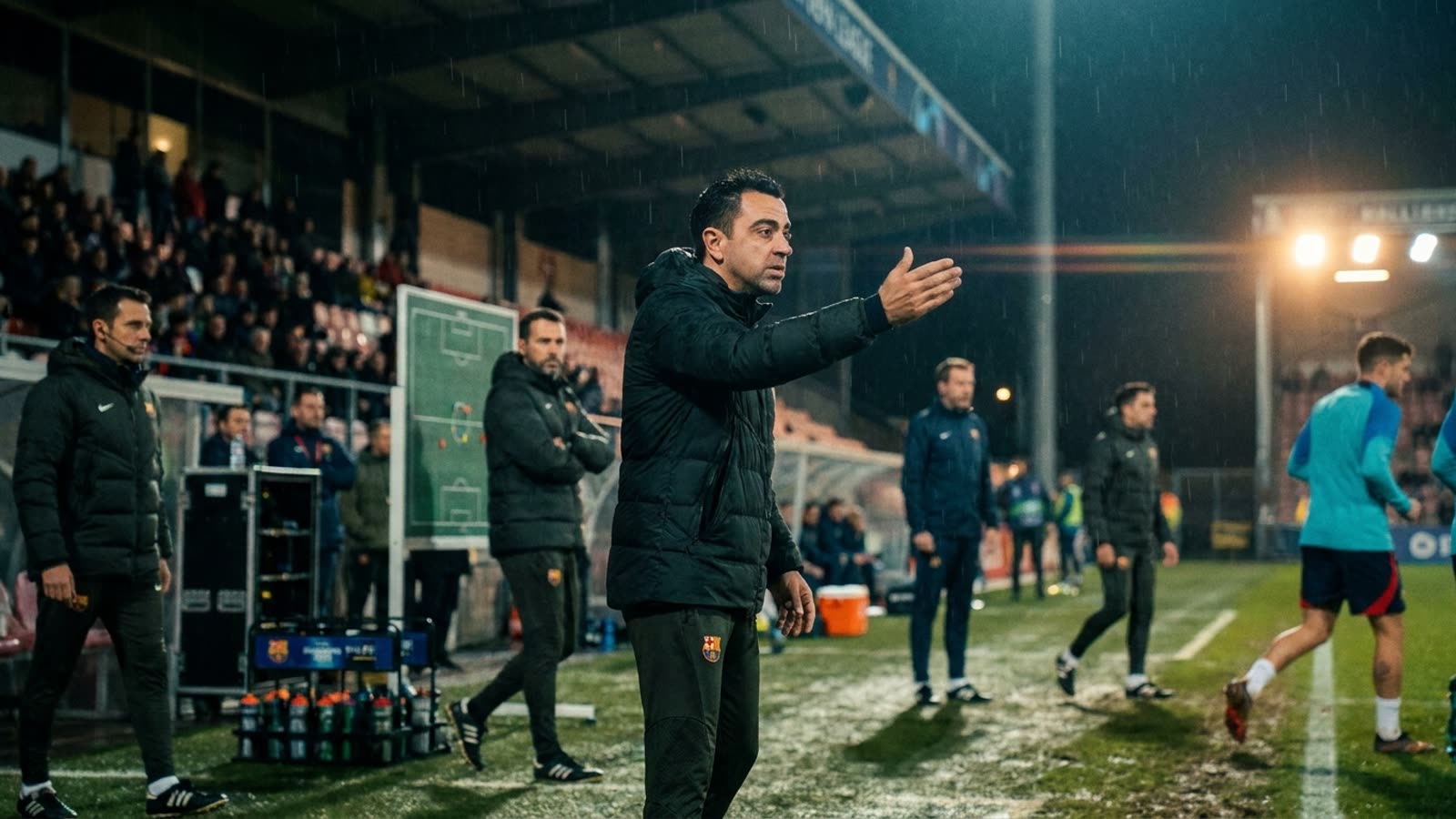
Spain's coaching staff has handled his integration shrewdly. Rather than burden him with set-piece duties or defensive responsibilities that would drain his energy, they've constructed a system that maximizes his strengths: one-on-one situations, quick combinations in the final third, and the freedom to drift inside when the wide channel closes. The protection around him is deliberate and effective.
Our take
The temptation with teenage phenoms is to project forward—to imagine the player they'll become at twenty-two or twenty-six. Yamal invites a different kind of appreciation. He's not a draft pick or a futures contract; he's a fully realized footballer right now, doing things at seventeen that most professionals never manage at any age. Spain may or may not win this World Cup, but Yamal has already delivered something rarer than a trophy: the reminder that sport, at its best, can still surprise us completely.