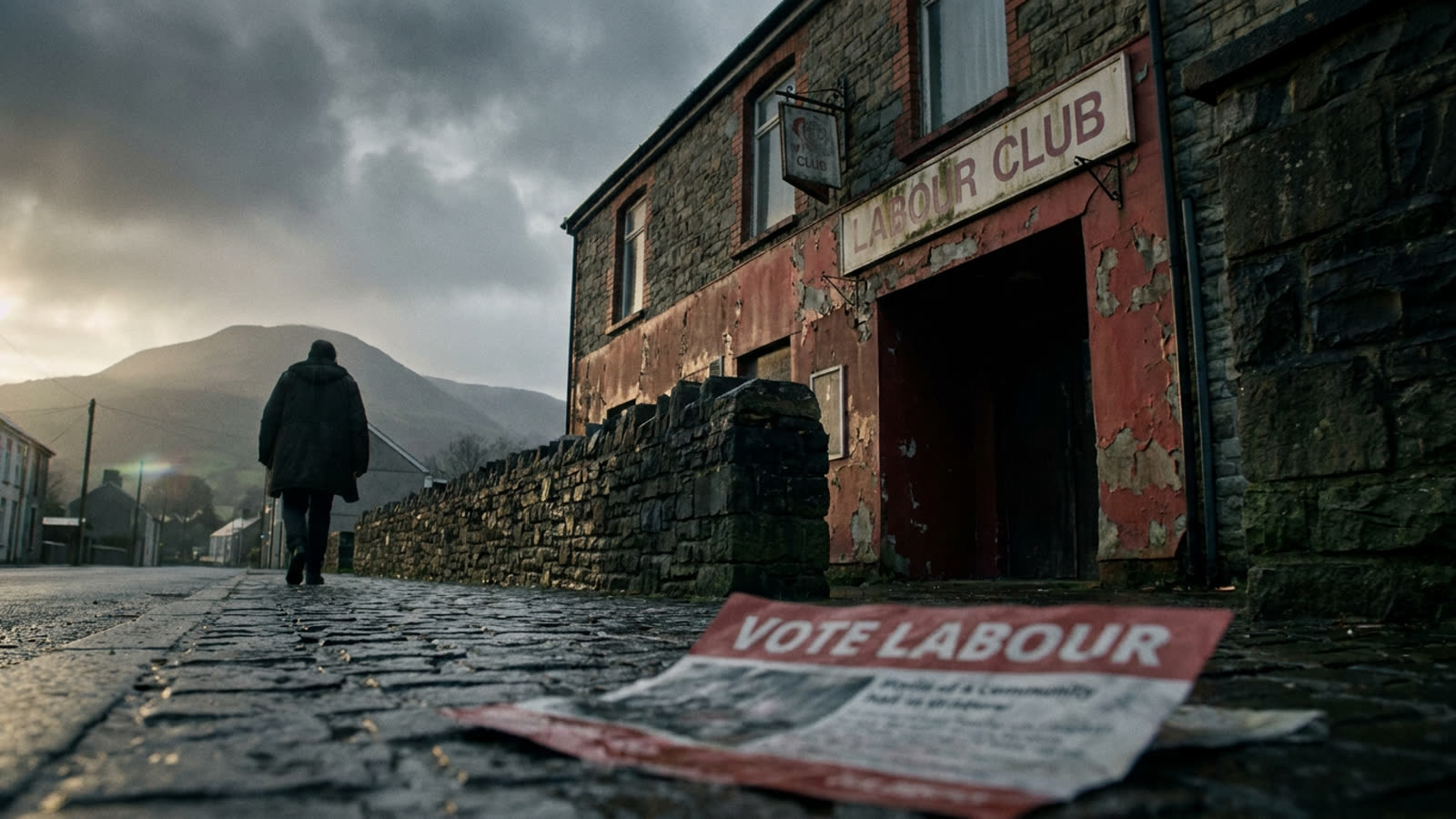
After 100 years of electoral dominance, Labour is bracing for its first defeat in Wales since the Senedd's creation. The party that has defined Welsh politics for a century now faces not just defeat but humiliation, as early results from across Britain show Reform UK eating into Labour's traditional heartlands with a message that resonates with disaffected working-class voters.
The Welsh shock
Labour sources have told the BBC they expect to lose control of the Senedd for the first time since devolution began in 1999. This isn't merely a setback—it's a seismic shift in British politics. Wales has been Labour's fortress, the one nation where the party could always count on victory even during its darkest hours. That fortress has now been breached, not by the traditional Conservative opposition, but by the insurgent Reform UK, which has successfully positioned itself as the authentic voice of working-class grievance.
The numbers emerging from overnight counts tell a brutal story. In former mining valleys and post-industrial towns that have voted Labour since universal suffrage, Reform UK is picking up council seats at an unprecedented rate. These aren't protest votes in affluent suburbs; they're defections in Labour's ancestral homeland.
Reform's calculated gamble
Nigel Farage's latest political vehicle has succeeded where UKIP and the Brexit Party ultimately failed: establishing itself as a permanent fixture in British politics rather than a single-issue pressure group. By focusing relentlessly on immigration, economic nationalism, and cultural grievance, Reform UK has found a formula that appeals to voters who feel abandoned by both major parties.
The party's gains aren't limited to Wales. Early results from English local elections show Reform making inroads in Labour-held councils across the North and Midlands, while also damaging the Conservatives in their traditional southern strongholds. This isn't the surge of a protest party; it's the emergence of a genuine third force in British politics.
The realignment accelerates
What we're witnessing is the acceleration of a political realignment that began with Brexit but has been supercharged by the cost-of-living crisis and cultural tensions. The old certainties of British politics—Labour owns Wales, the Conservatives own the South, the two-party system endures—are crumbling in real time.
The implications extend beyond these local elections. If Labour cannot hold Wales, what does that mean for its path back to power at Westminster? If Reform UK can establish itself as the primary opposition in Labour heartlands, how does that reshape the electoral map? The Scottish results, due later today, will provide another crucial data point, but the pattern is already clear: British politics has entered uncharted territory.
Our take
Labour's Welsh catastrophe isn't just bad timing or poor campaigning—it's the bill coming due for decades of taking working-class voters for granted. Reform UK's surge represents something more dangerous than a typical third-party insurgency: it's a populist movement that has successfully married economic anxiety with cultural resentment. The question isn't whether this realignment will reshape British politics, but how profoundly and how permanently. Today's results suggest the answer is: very.