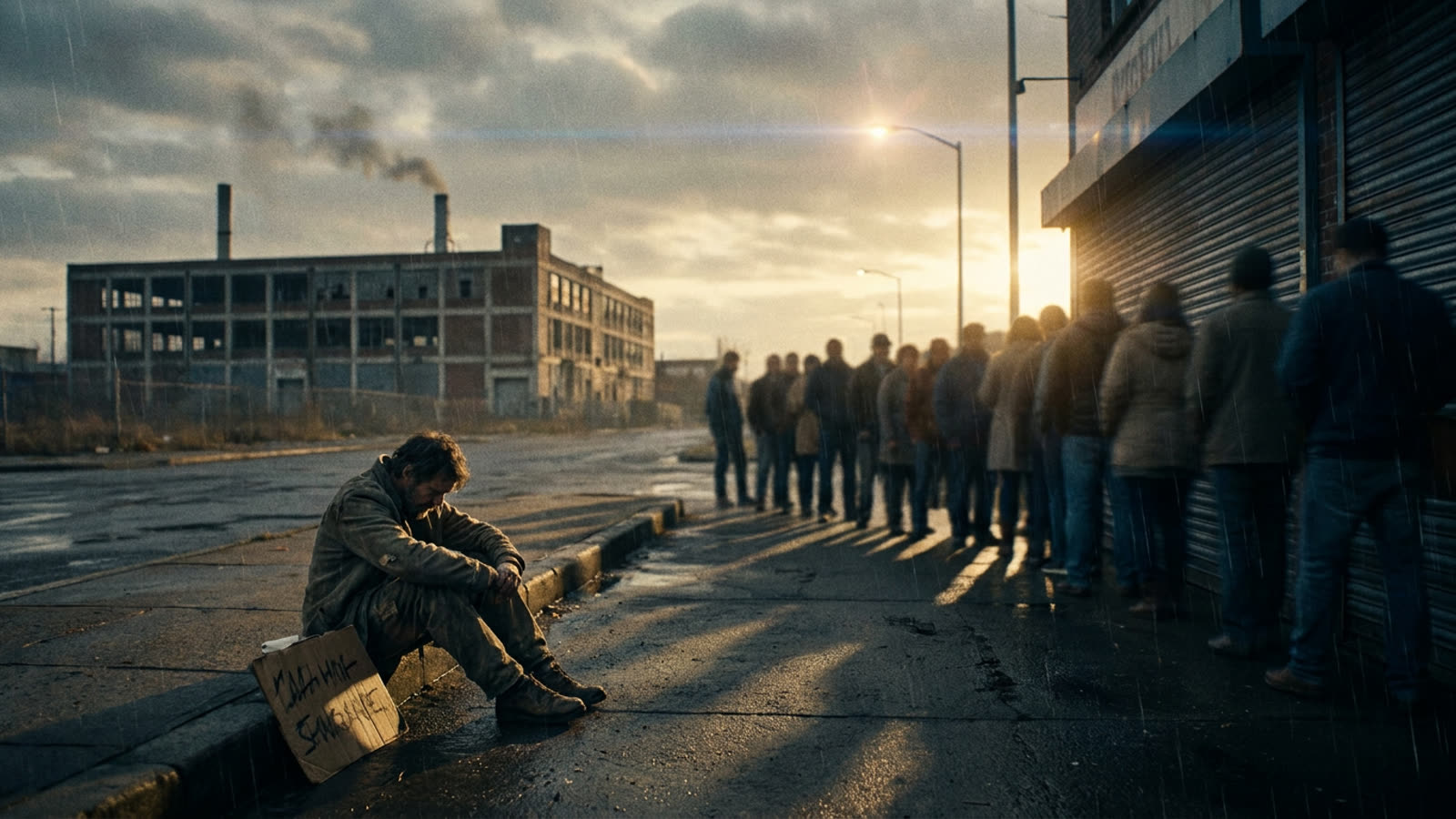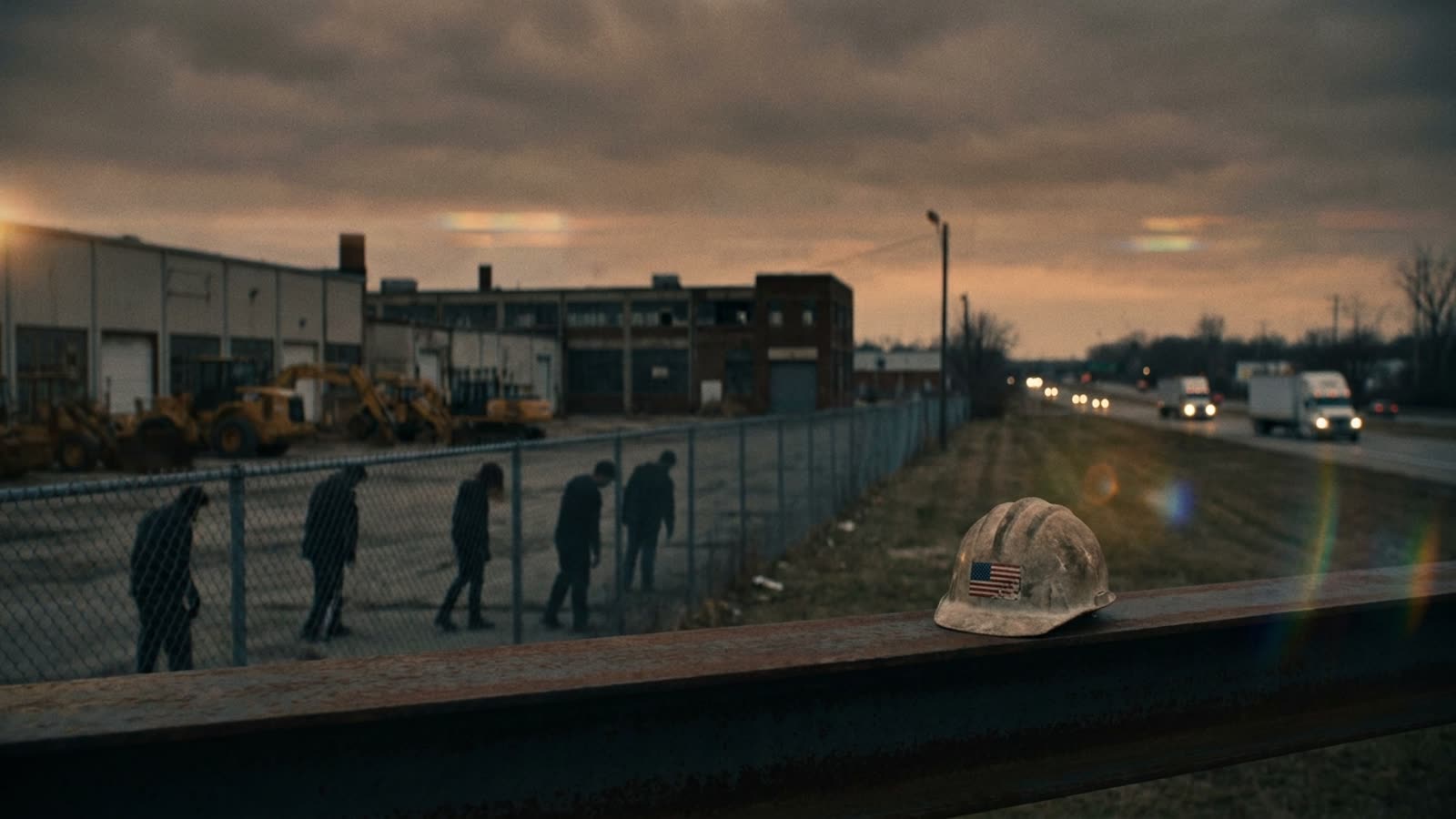
The headline number from June's employment report—sharply slower job growth—will dominate the discourse. It shouldn't. The more troubling figure sits one line down: labor force participation has fallen to its lowest level in more than five years, a retreat that suggests the American workforce isn't just cooling off but actively shrinking.
This distinction matters enormously. A labor market that adds fewer jobs because demand is moderating is healthy, even desirable after years of overheating. A labor market where people are simply leaving—not retiring on schedule, not taking gap years, but vanishing from the denominator entirely—is a different animal. It's the kind of structural deterioration that monetary policy can't easily fix and that tends to compound quietly until it becomes impossible to ignore.
The participation puzzle
Labor force participation measures the share of working-age adults who are either employed or actively seeking work. When it falls, the unemployment rate can look deceptively stable even as the economy loses productive capacity. That's precisely what appears to be happening now.
The last time participation was this low, the world was still grappling with early-pandemic dislocations—school closures keeping parents home, health fears keeping older workers sidelined, expanded benefits making the calculus of work temporarily different. Those factors have long since faded. What's driving the current exodus is less clear and, for policymakers, more concerning.
Demographics explain part of it. The Baby Boom generation is aging out of the workforce on schedule. But the pace of decline exceeds what demographics alone would predict, suggesting that prime-age workers—those between 25 and 54 who form the economy's productive core—are also stepping back in unusual numbers.
What the Fed sees
For the Federal Reserve, this report lands at an awkward moment. Chair Warsh's recent comments that inflation risks have diminished opened the door to potential rate cuts. Markets heard that message clearly; Bitcoin's surge above $61,000 and the broader risk-on rotation reflect bets that easier money is coming.
But a shrinking labor force complicates the Fed's calculus. Fewer workers means tighter labor supply even without robust hiring, which can keep wage pressures elevated even as the economy slows. It's the worst of both worlds: stagflationary dynamics emerging not from overheating but from structural decay.
The Fed has tools for demand problems. It has far fewer options when the supply side of the labor market is deteriorating. Rate cuts might boost hiring demand, but they can't conjure workers who've decided, for whatever reason, that participating in the formal economy no longer makes sense for them.
The quiet crisis
What's pulling people out? The candidates are familiar: disability claims have risen steadily, caregiving burdens remain elevated, the gig economy and informal work don't always register in official statistics, and a subset of workers appear to have simply opted out—living leaner, working less, prioritizing time over income in ways that don't show up in the data.
None of these are inherently alarming in isolation. Together, they represent a slow bleed of productive capacity that will constrain growth for years. An economy can't expand faster than its workforce grows plus its productivity gains. If the workforce is shrinking and productivity growth remains modest, the math gets unforgiving quickly.
Our take
The June jobs report is being read as a green light for rate cuts. It should be read as a yellow warning. Slower hiring is manageable. A workforce that's actively contracting is not. The Fed can engineer a soft landing for demand; it cannot engineer workers back into existence. The participation decline deserves far more attention than it will receive, and by the time it commands that attention, the structural damage may already be done.