The June employment report delivered precisely the kind of ambiguity that makes economists reach for their caveats and Fed watchers squint at tea leaves. Hiring slowed, but the unemployment rate actually fell — to 4.2 percent — because fewer Americans were looking for work at all. This is not a labor market in crisis. It is a labor market in transition, and the direction of that transition will determine whether the soft landing that seemed so improbable two years ago actually sticks.
The headline numbers tell a story of deceleration without deterioration. Job growth continues, but at a pace that suggests employers are becoming more selective rather than desperate. The quits rate, wage growth, and hours worked all point to a market that has moved past the frenzied hiring of the post-pandemic boom without tipping into the layoff spirals that defined previous downturns.
The participation puzzle
The drop in the unemployment rate would normally be cause for celebration, but the mechanism matters. When unemployment falls because discouraged workers exit the labor force entirely, it masks underlying weakness rather than reflecting genuine strength. The labor force participation rate ticked down again in June, continuing a trend that has puzzled economists who expected pandemic-era retirements and caregiving exits to reverse by now. Some of this is demographic — the baby boomers are not coming back — but some appears to be a more fundamental shift in how Americans relate to work.
For the Fed, this creates a genuine interpretive challenge. A smaller labor force means the economy can run hotter without generating wage-driven inflation, but it also means the productive capacity of the American economy is smaller than it might otherwise be. The central bank has to decide whether to treat this as a supply constraint or a demand signal.
What Warsh is watching
Fed Chair Kevin Warsh, whose hawkish reputation preceded him into the job, has been notably measured in recent months. His comments this week acknowledging that inflation risks have diminished represent a meaningful shift in tone, even if policy remains on hold. The June jobs data gives him cover to stay patient — neither cutting rates to stimulate a labor market that does not appear to need stimulation, nor hiking to cool an economy that is already cooling on its own.
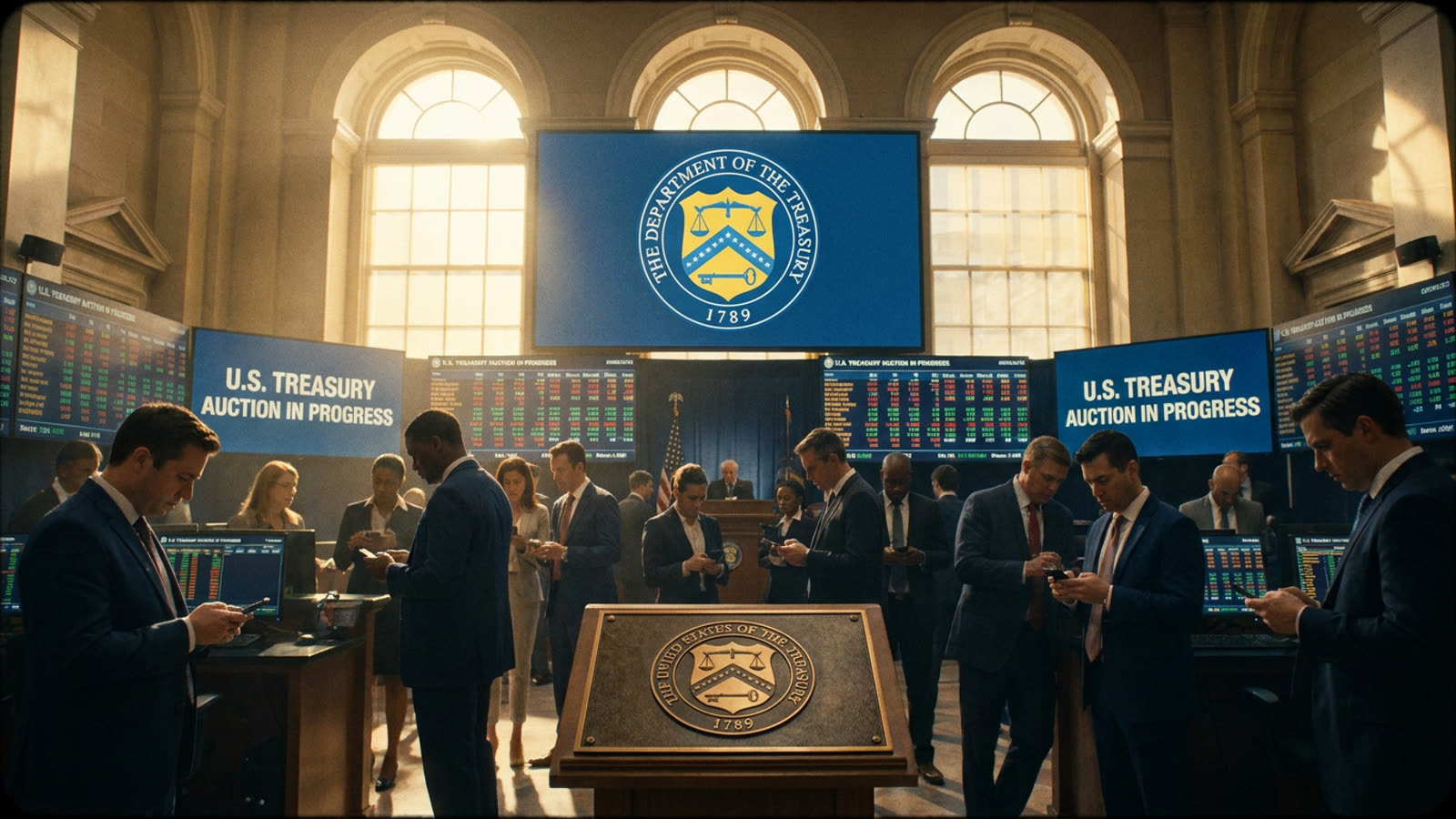
The bond market has taken notice. Treasury yields have drifted lower as traders price in a Fed that is more likely to ease than tighten over the next twelve months. But Warsh has been burned before by markets that got ahead of policy, and he is unlikely to validate those expectations until he sees sustained evidence that inflation is returning to target rather than merely pausing its descent.
Our take
This is what a soft landing actually looks like: not a triumphant return to some pre-pandemic normal, but a grinding, ambiguous process where every data point can be read multiple ways. The American labor market in mid-2026 is neither the overheated mess of 2022 nor the disaster that pessimists predicted. It is simply a labor market finding its level after the strangest economic shock in a century. The Fed's job now is to avoid mistaking this healthy adjustment for something that requires intervention. Sometimes the best monetary policy is no monetary policy at all.