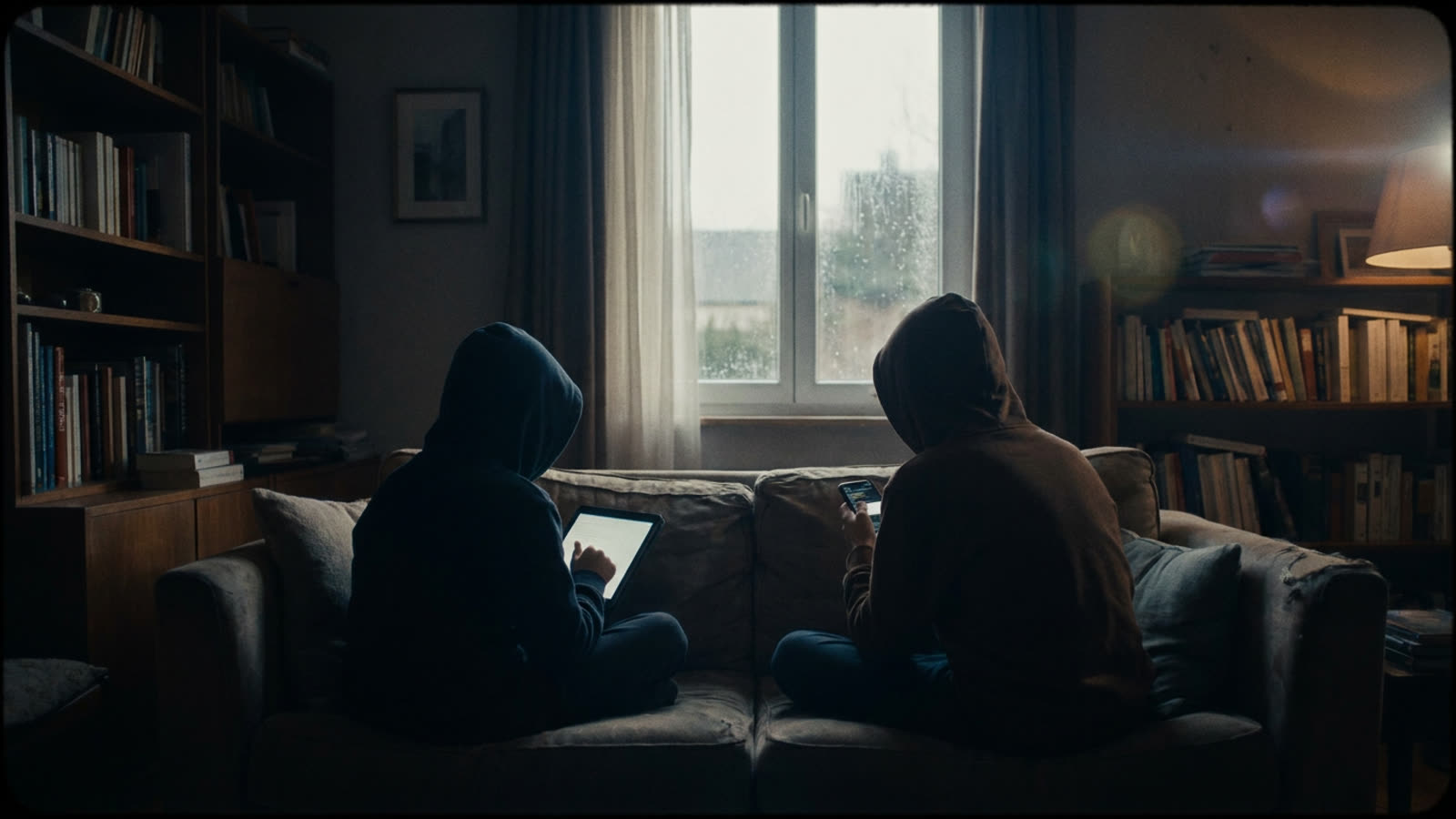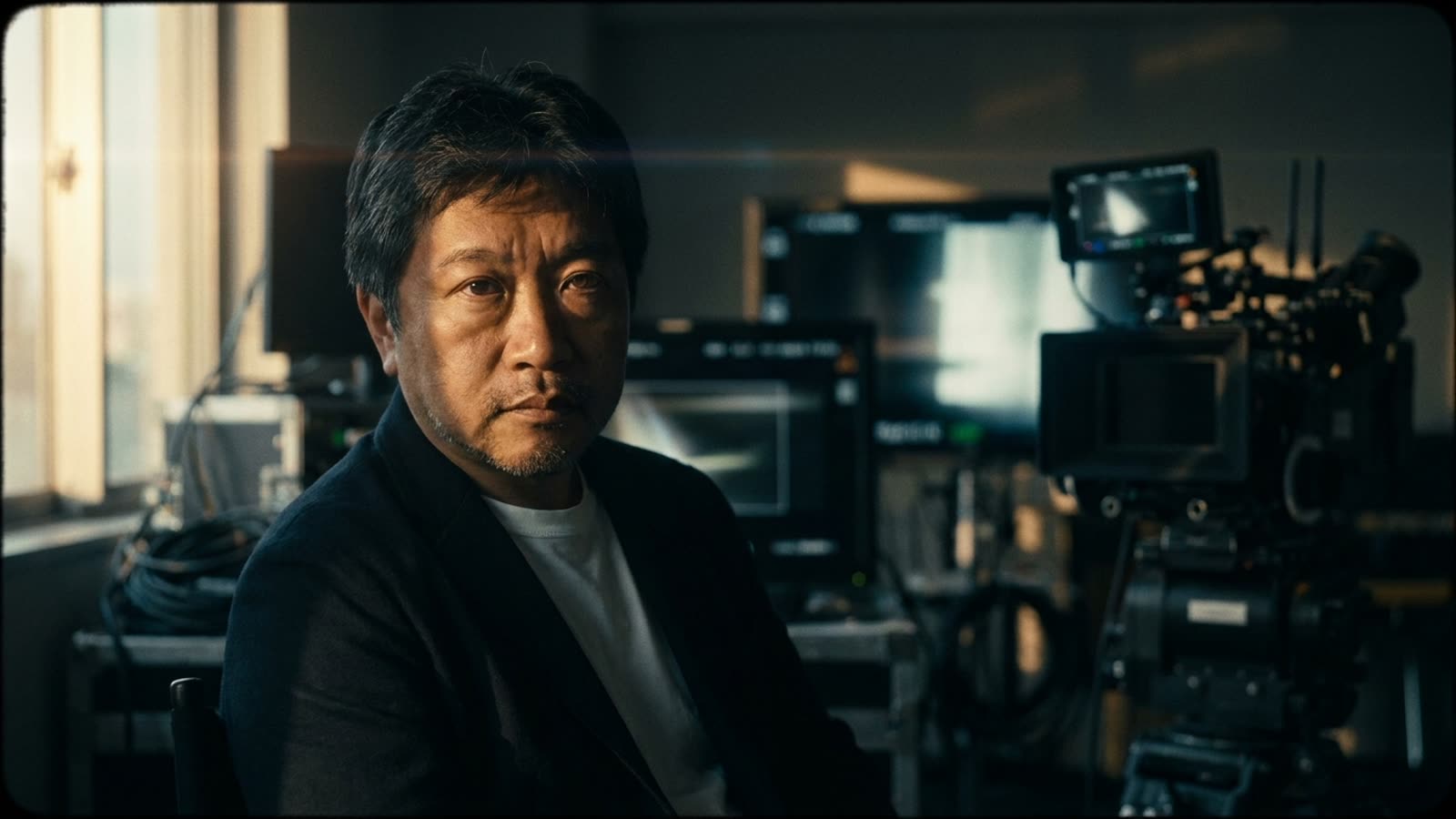
Hirokazu Koreeda has never been interested in easy catharsis. The Japanese master behind Shoplifters and Nobody Knows builds emotional architecture slowly, brick by brick, until the weight of accumulated small moments becomes unbearable. In Sheep in the Box, his latest film premiering at Cannes, he turns that patient gaze toward a subject that has consumed Silicon Valley but largely eluded serious cinema: the resurrection of the dead through artificial intelligence.
The premise is deceptively simple. A couple, devastated by the loss of their young son, enrolls in a robotics program that recreates deceased loved ones as lifelike humanoids. What follows is not a thriller about technology run amok, nor a sentimental fantasy about second chances. It is, by all accounts, something far more unsettling—a meditation on whether grief is something we should want to solve.
The uncanny valley of mourning
Koreeda's timing is impeccable. We are living through an explosion of AI tools promising to simulate the dead: voice clones trained on old recordings, chatbots fed years of text messages, deepfake videos that make the departed speak new words. These services exist now, marketed to the bereaved with the language of healing. Sheep in the Box asks what happens after the initial comfort fades—when the simulation is good enough to fool the eyes but not the heart.
The film reportedly struggles to deliver a satisfying emotional payoff, which may be precisely the point. Koreeda has always been suspicious of resolution. His families never fully reconcile; his children never get the justice they deserve. A grief drama that refuses to let its characters—or its audience—off the hook feels like the only honest approach to material this fraught.
Why cinema matters here
Tech criticism tends to operate in two modes: breathless enthusiasm or apocalyptic warning. Neither captures the texture of how these tools will actually enter our lives—not as world-ending catastrophes but as quiet negotiations with our own desires. Koreeda understands this. His films have always been about the bargains people make to survive: the stolen family in Shoplifters, the abandoned children in Nobody Knows. A couple choosing to live with a robot child is the same moral territory, updated for an age when the bargain is offered by a corporation.
The film's existence also signals a shift in how serious filmmakers are approaching AI. For years, artificial intelligence in cinema meant Ex Machina and Her—sleek thought experiments about consciousness and seduction. Sheep in the Box suggests a new phase: AI as domestic drama, as family story, as the mundane infrastructure of how we process loss.
Our take
The most revealing detail in early reviews is that Sheep in the Box doesn't quite work emotionally. Good. The last thing we need is a film that makes peace with the idea of replacing dead children with machines. Koreeda's refusal to provide catharsis is itself a moral position—a suggestion that some griefs should remain unresolved, some absences unfilled. In a year when every tech company is racing to sell us digital immortality, that resistance feels almost radical.