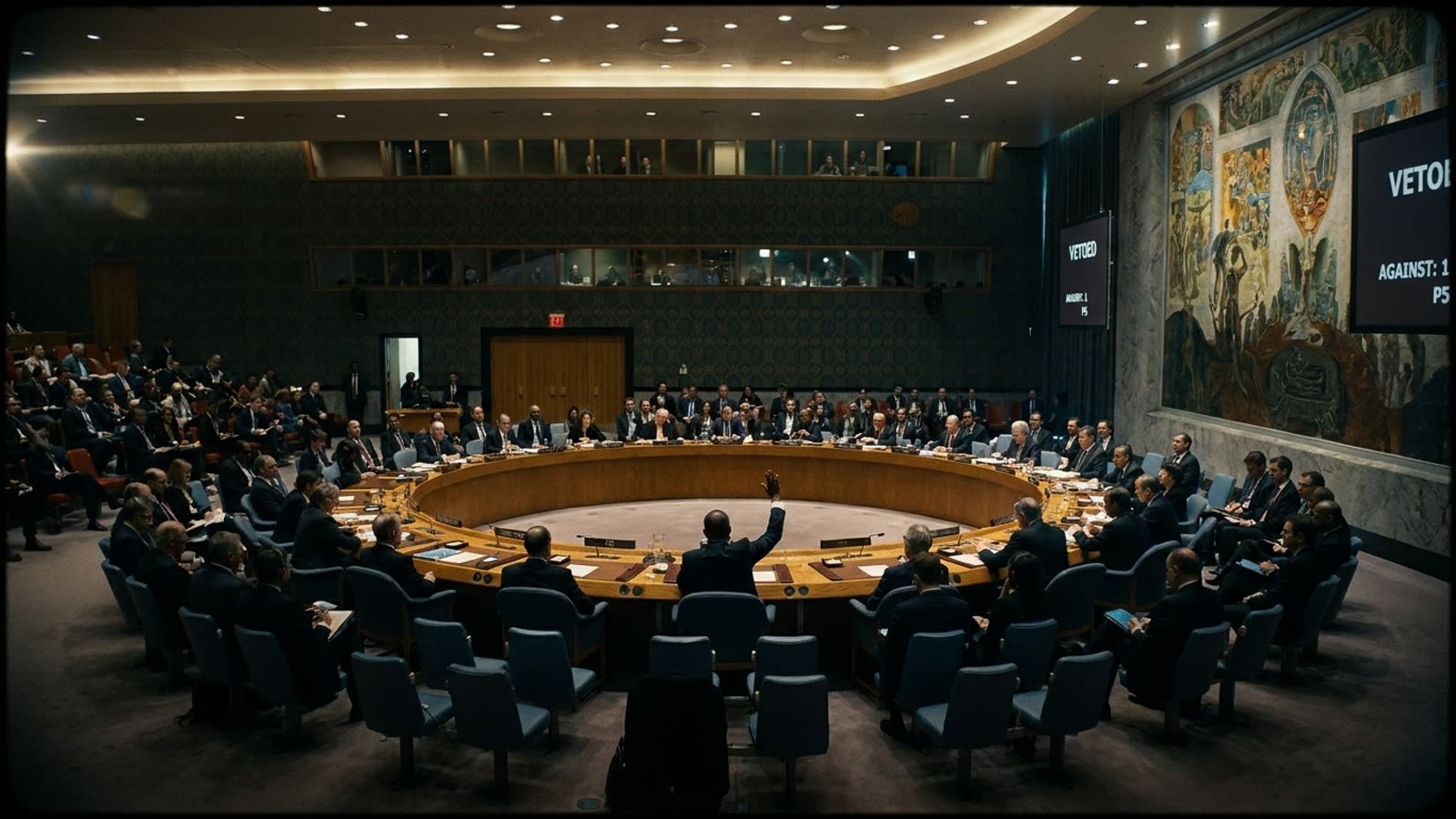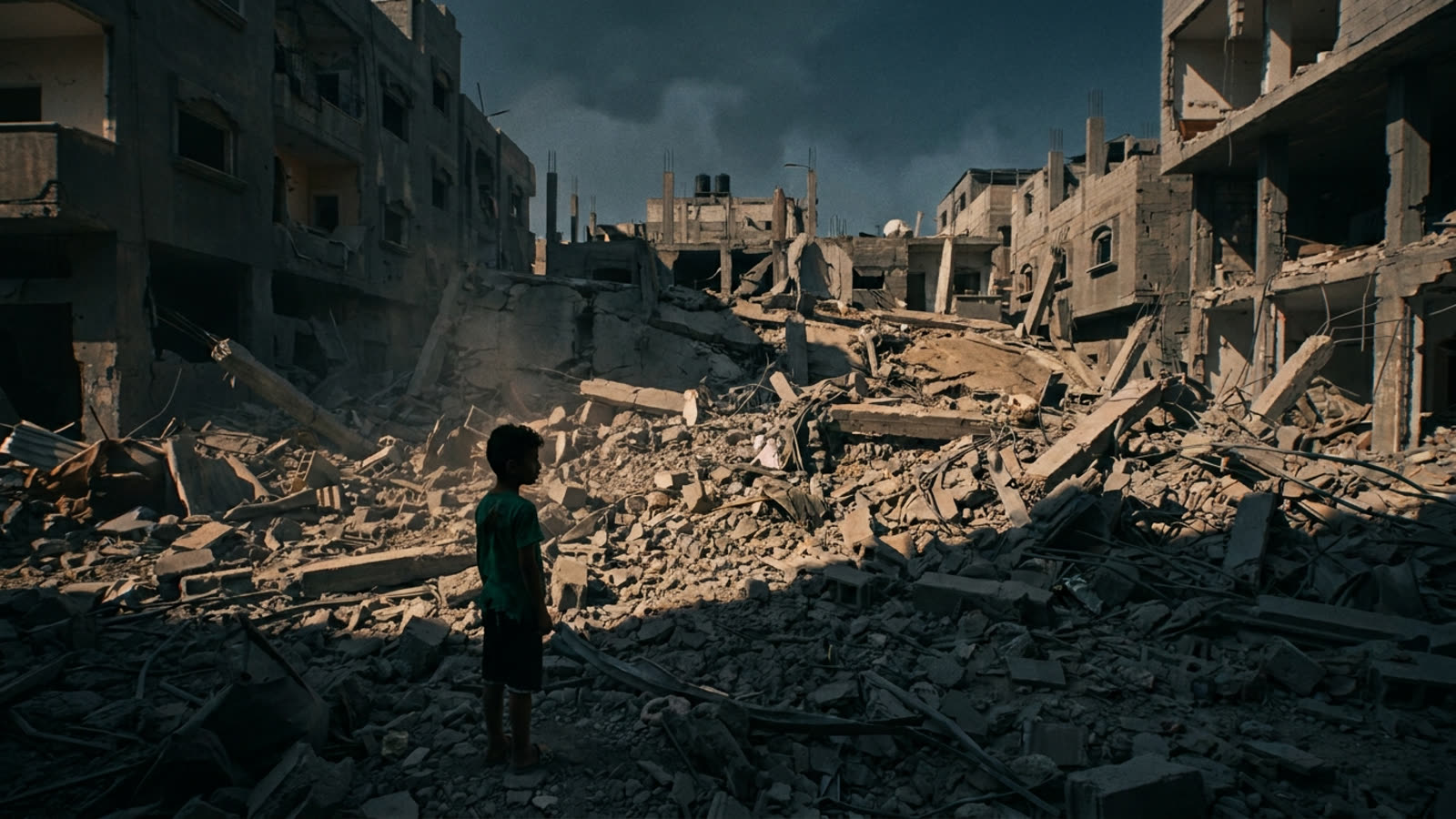
The word genocide carries a specific legal weight that most governments spend decades avoiding. The United Nations Commission of Inquiry on the Occupied Palestinian Territory has now applied it directly to Israeli conduct in Gaza, concluding that the military campaign systematically targeted children in ways that meet the threshold for genocidal intent.
This is not hyperbole from activists or rhetoric from adversaries. It is the formal finding of a UN investigative body with a mandate from the Human Rights Council, and it will fundamentally alter how the conflict is discussed in international institutions for the foreseeable future.
The mechanics of the finding
UN commissions of inquiry operate differently from the International Criminal Court or the International Court of Justice. They cannot issue arrest warrants or binding judgments. What they produce instead is evidentiary groundwork—documented patterns of conduct that other bodies can use to pursue legal action. The commission's conclusion that Israel targeted children specifically, rather than incidentally harming them in broader military operations, provides precisely the kind of intent evidence that genocide prosecutions require.
The distinction matters enormously. Civilian casualties in war, even massive ones, do not automatically constitute genocide. The 1948 Genocide Convention requires proof of intent to destroy a group in whole or in part. By documenting what it characterizes as deliberate targeting of minors, the commission is asserting that Israeli operations crossed from tragedy into criminality.
The diplomatic fallout
Israel and its allies will reject the finding categorically, as they have rejected previous commission reports. The United States has historically dismissed this particular commission as structurally biased, given its open-ended mandate to investigate Israeli conduct without equivalent scrutiny of Palestinian armed groups. That critique has merit—the commission's framing has always tilted toward predetermined conclusions.
But dismissal is not the same as neutralization. The genocide finding will now be cited in every General Assembly debate, every Human Rights Council session, and every campus protest for years. It provides legal vocabulary to movements calling for sanctions, arms embargoes, and diplomatic isolation. Countries that have maintained quiet cooperation with Israel while publicly criticizing its Gaza operations will face intensified pressure to choose sides.
The ICJ shadow
The timing compounds the pressure. South Africa's genocide case against Israel at the International Court of Justice remains pending, with provisional measures already in place. The UN inquiry's conclusions, while not binding on the ICJ, provide additional evidentiary material that South Africa's legal team will certainly incorporate. The court's eventual ruling—likely still years away—now arrives in a context where a parallel UN body has already reached the genocide conclusion.
Israel's legal strategy has centered on demonstrating that its military operations, however devastating, followed protocols designed to minimize civilian harm. The commission's finding that children were deliberately targeted directly contradicts that defense.
Our take
The UN inquiry system is imperfect, and this particular commission has earned skepticism through years of one-sided framing. But imperfect messengers can still deliver consequential messages. The genocide finding will not change Israeli policy or American support in the near term. What it will do is provide permanent institutional scaffolding for a narrative that treats Israel as a pariah state rather than a democracy defending itself against terrorism. Whether that narrative is accurate matters less, in diplomatic terms, than the fact that it now has formal UN endorsement. The long game just shifted.