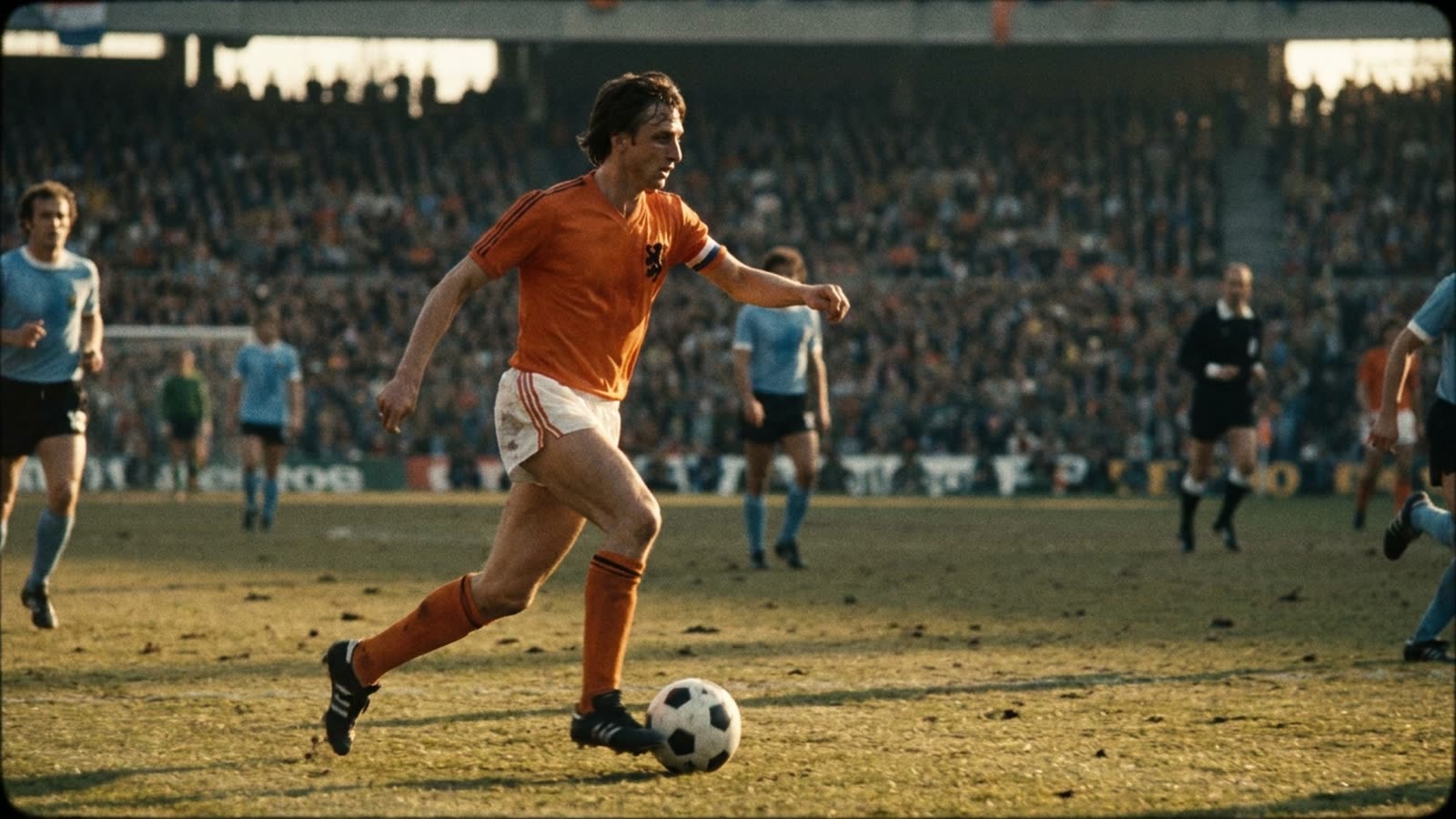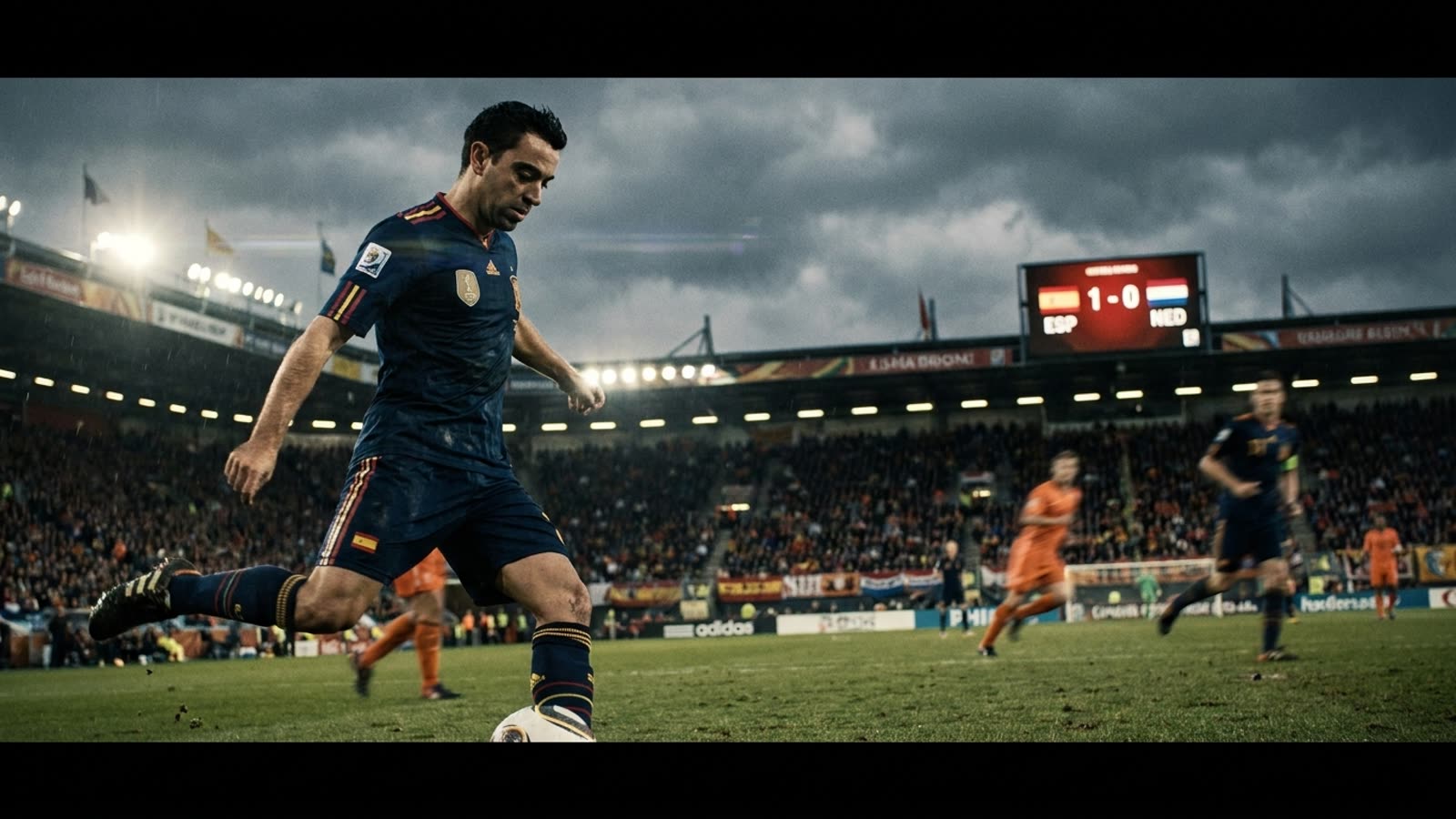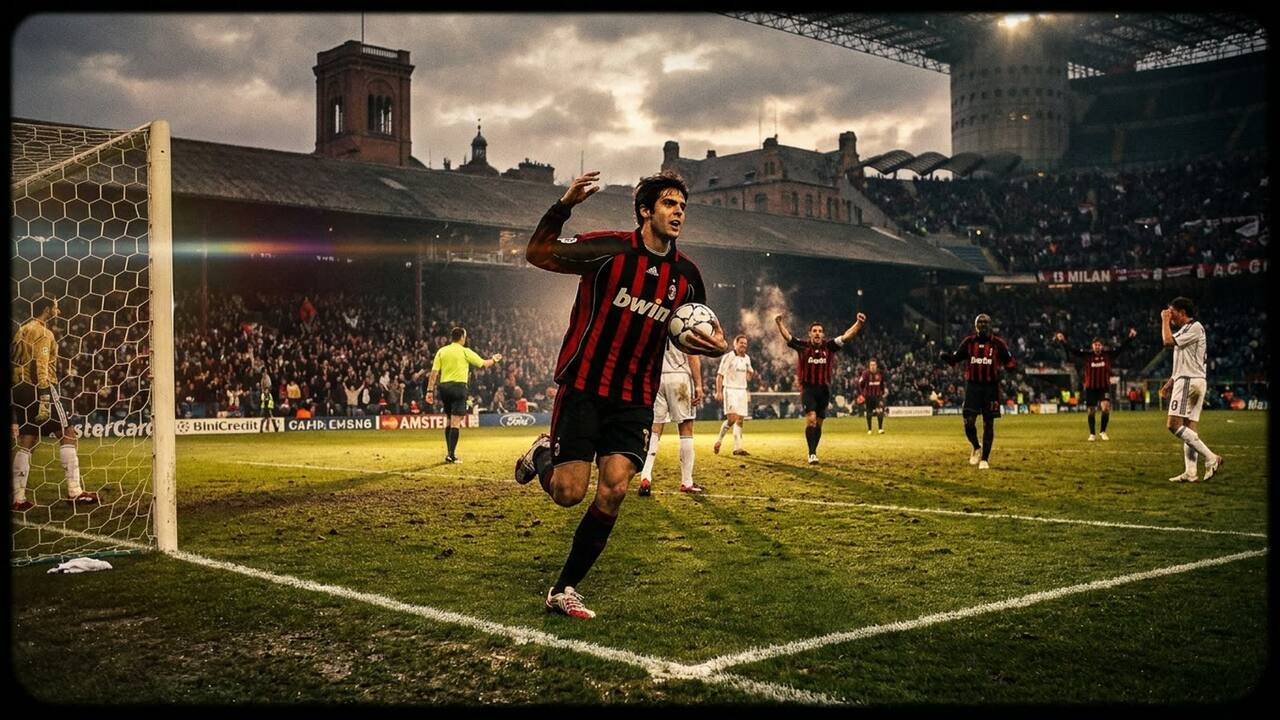
The modern midfielder is expected to press, to track back, to occupy half-spaces with geometric precision. Kaká did none of this, and yet for a brief, luminous period in the mid-2000s, he was the best player on earth. His game was built on something football's tactical revolution has nearly eliminated: the simple, devastating act of running at defenders with the ball at his feet.
Ricardo Izecson dos Santos Leite, known universally by his childhood nickname, won the Ballon d'Or in 2007 as the orchestrator of AC Milan's Champions League triumph. That he remains the last midfielder to claim the award before the Messi-Ronaldo duopoly tells us something about how the position has changed. The classic number ten—the fantasista who floated between lines, who created through individual brilliance rather than systematic movement—has become an endangered species. Kaká may have been its final, perfect specimen.
The physics of grace
What separated Kaká from his contemporaries was not complexity but its opposite. At 1.86 meters, he possessed a stride that ate up ground with deceptive ease, his upright running style making defenders misjudge his acceleration. Where Ronaldinho dazzled with tricks and Zidane with balletic control, Kaká simply ran—but he ran faster with the ball than most players could without it.
His signature move was almost comically simple: receive the ball, push it into space, and sprint past whoever was foolish enough to engage. Yet simplicity executed at elite speed becomes its own form of genius. Defenders knew what was coming and could do nothing about it. The goal against Manchester United in the 2007 Champions League semi-final—a forty-meter surge that left the English club's midfield scattered like bowling pins—remains a masterclass in directness.
The position that disappeared
Kaká's decline coincided with football's tactical transformation. Pep Guardiola's Barcelona demonstrated that possession and pressing could be more effective than individual creation. The number ten, once the team's creative fulcrum, became a luxury few coaches could afford. Why deploy a player who doesn't defend when you can have eight players who do everything adequately?
The Brazilian's move to Real Madrid in 2009, for a then-world-record fee, marked the beginning of the end. Injuries played their part, but so did the sport's evolution. The team that bought him would soon adopt a counter-pressing style that had no room for a player whose genius lay in transition rather than sustained pressure. Kaká became an anachronism in real time, a vinyl record in the age of streaming.
Our take
Football is richer for its tactical sophistication, but something was lost when the sport decided that every player must be a utility vehicle. Kaká represented a different philosophy—that a team could be built around one man's capacity to change a game in a single burst. His career reminds us that efficiency and beauty are not synonyms, and that the most memorable football is often the least replicable. The sport has moved on, but it has not necessarily moved up.