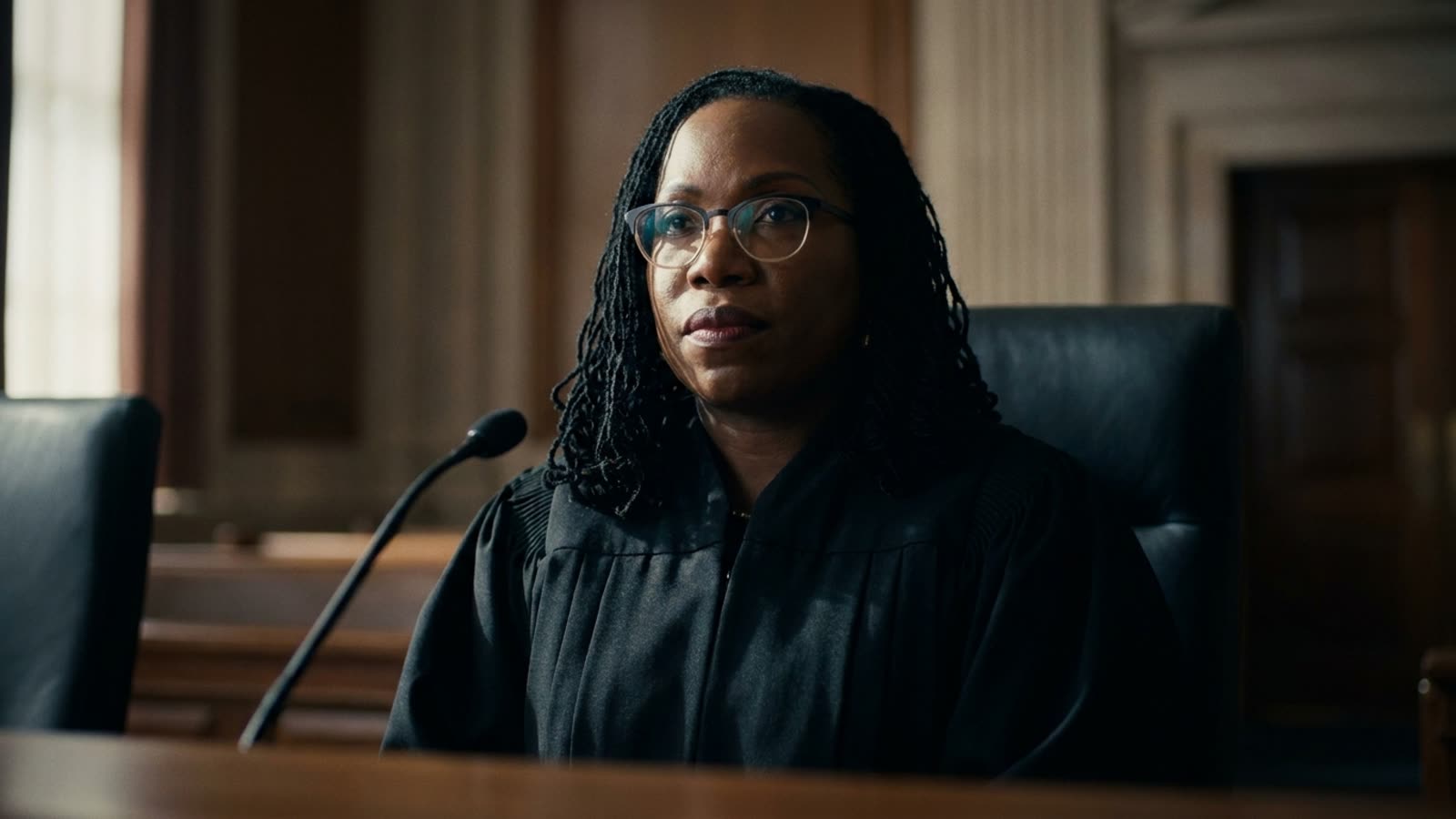
Justice Ketanji Brown Jackson does not often raise her voice. When she does, it tends to land.
In a pointed dissent this week, Jackson excoriated her colleagues for the procedural sleight-of-hand the court employed in a Louisiana redistricting case, accusing the majority of bypassing ordinary review to deliver a politically convenient outcome. The case concerns the state's congressional map, which civil rights groups argue dilutes Black voting power in violation of the Voting Rights Act. Rather than allow the lower courts to complete their work, the Supreme Court intervened on an emergency basis—what Jackson called a troubling pattern of treating the shadow docket as a shortcut for ideologically charged rulings.
The shadow docket problem
The term "shadow docket" refers to orders and decisions the court issues without full briefing, oral argument, or signed opinions. Once reserved for genuinely urgent matters, it has become, in Jackson's telling, a favored tool for the conservative supermajority to reshape law without the scrutiny that accompanies merits cases. In Louisiana, the practical effect is that a map critics say disenfranchises Black voters will remain in place through the 2026 midterms—possibly longer—while the underlying legal questions remain unresolved.
Jackson's dissent did not mince words: the court, she wrote, is "making law in the dark" and doing so in ways that disproportionately burden minority voters. The criticism echoes concerns raised by legal scholars and, increasingly, by Jackson's fellow liberal justices, who have grown more vocal about procedural irregularities even when they lack the votes to change outcomes.
Why Louisiana matters beyond Louisiana
Redistricting fights are never just about one state. The Louisiana case is part of a broader legal offensive by Republican-led legislatures to redraw maps after the 2020 census in ways that maximize partisan advantage. Courts have struck down several such maps, but the Supreme Court's willingness to intervene on emergency motions—often reinstating challenged maps while litigation continues—has emboldened states to push boundaries. The implicit message: even if you lose eventually, you can win the elections that matter.
For Democrats and civil rights advocates, the Louisiana dispute is a case study in how procedural maneuvers can accomplish what substantive rulings cannot. By the time the merits are decided, the electoral damage may be done.
Our take
Jackson's dissent will not change the outcome in Louisiana, and it will not slow the court's conservative drift. But it serves a different purpose: it puts the majority on notice that their procedural shortcuts are being documented, and it gives future litigants and legislators a roadmap for challenging the legitimacy of shadow-docket jurisprudence. In a court increasingly defined by what it does in the dark, Jackson is insisting on turning on the lights. Whether anyone is watching is another question.