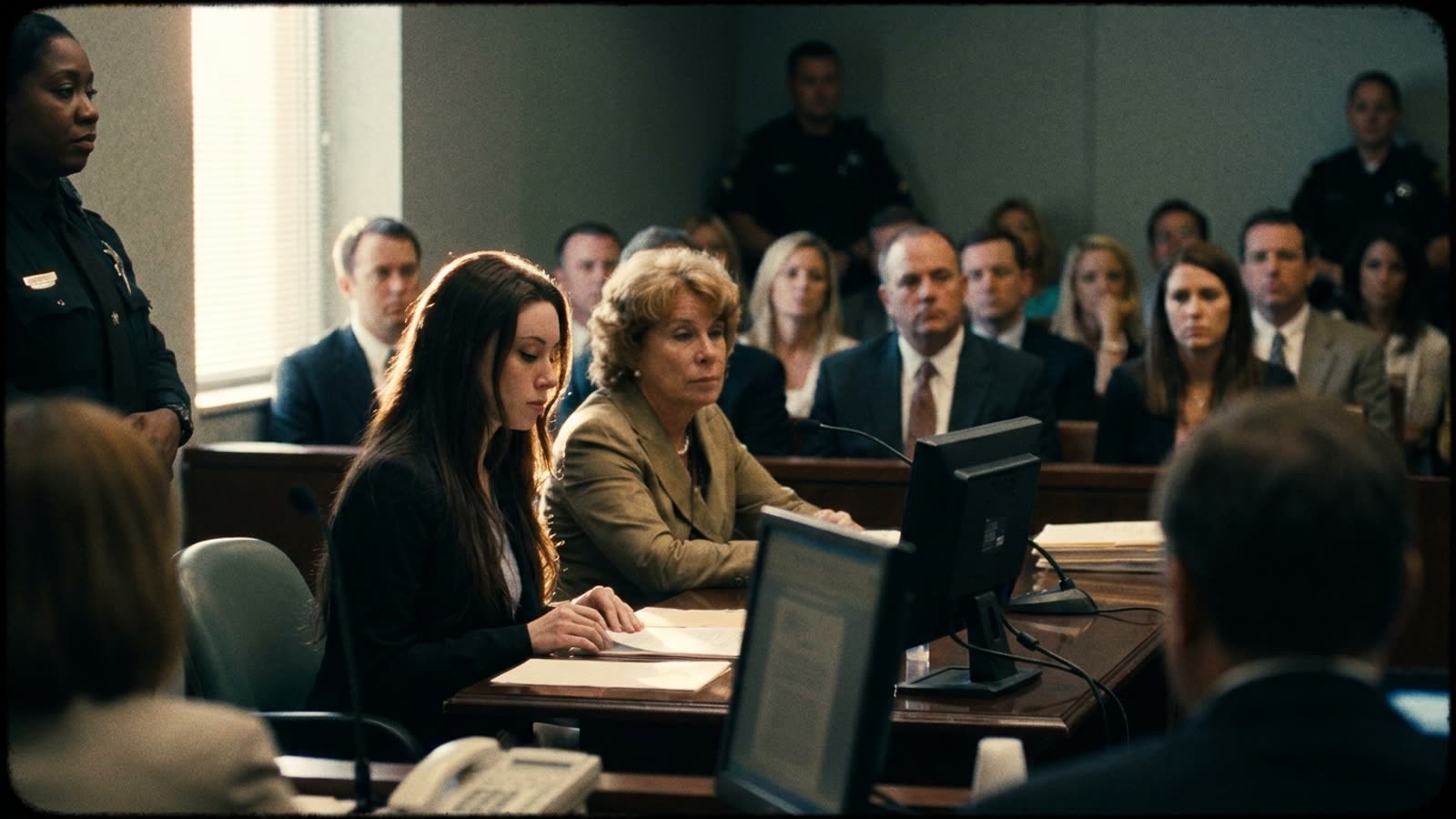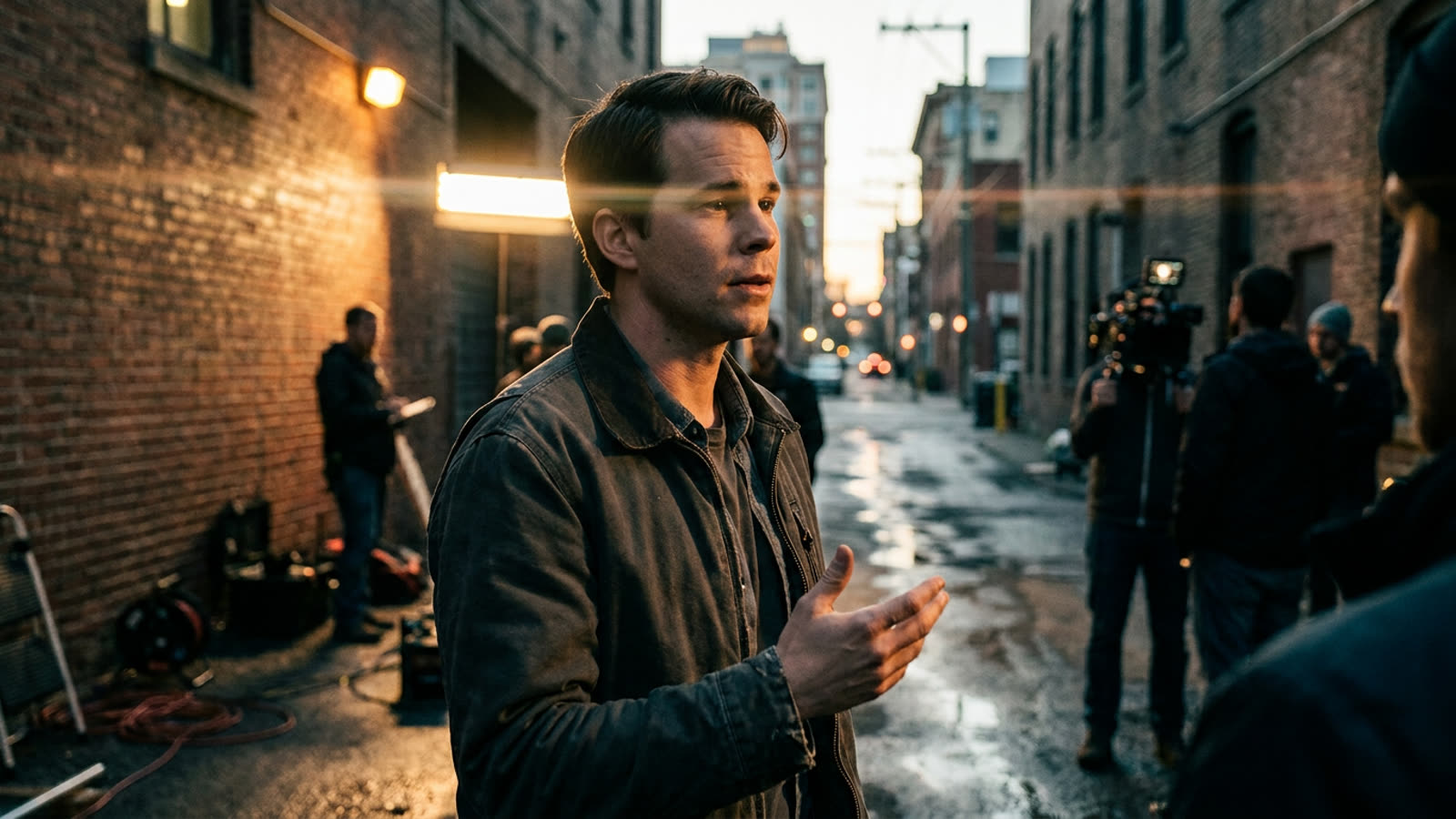
Seventeen years after Jennifer's Body flopped at the box office and subsequently became a feminist cult classic, the internet has rediscovered Johnny Simmons — the actor who played Chip Dove, the sweet-natured boyfriend whose gruesome death scene remains one of the film's most memorable moments. The nostalgia cycle has arrived for the Diablo Cody–penned horror comedy, and with it comes renewed curiosity about what happened to its supporting cast.
Simmons was nineteen when he filmed Jennifer's Body, already a veteran of Evan Almighty and soon to appear in The Perks of Being a Wallflower and Whiplash. He had the look of someone destined for leading-man status: all-American features, natural charisma, the ability to project vulnerability without seeming weak. Hollywood had a clear path laid out for actors like him. He didn't take it.
The anti-franchise career
In an era when young actors build careers by locking themselves into multi-picture superhero deals or YA adaptations, Simmons has done something quietly radical: he's worked consistently without ever becoming a franchise player. His filmography reads like a curated independent film syllabus — The Stanford Prison Experiment, The Late Bloomer, Dreamland. He's the guy directors cast when they need someone who can hold the screen without demanding it.
This approach has kept him out of the tabloids and off the A-list, which may have been the point. The actors who emerged from the late-2000s teen cinema cohort and achieved megastardom — Timothée Chalamet, who appeared alongside Simmons in Interstellar, comes to mind — did so by playing the visibility game with precision. Simmons appears to have opted out entirely.
The Jennifer's Body rehabilitation
The film's critical reappraisal has been well-documented: dismissed as a failed Megan Fox vehicle upon release, it's now studied in film courses as a sharp satire of female objectification and male entitlement. Chip, the earnest boyfriend who exists primarily to be consumed (literally), reads differently in 2026 than he did in 2009. The character's guilelessness, which once seemed like thin writing, now functions as commentary — he's the nice guy who thinks niceness is sufficient protection.
Simmons played the role with exactly the right amount of obliviousness, never winking at the audience or telegraphing the character's fate. It's a small performance that has aged remarkably well, which is more than can be said for most horror-comedy supporting turns.
Our take
There's something refreshing about an actor who peaked in cultural relevance at nineteen and simply continued working without apparent anxiety about it. Simmons isn't doing the podcast circuit or launching a lifestyle brand or posting thirst traps to remind us he exists. He's just acting, in projects that interest him, for audiences that find him. In the attention economy, that qualifies as countercultural.